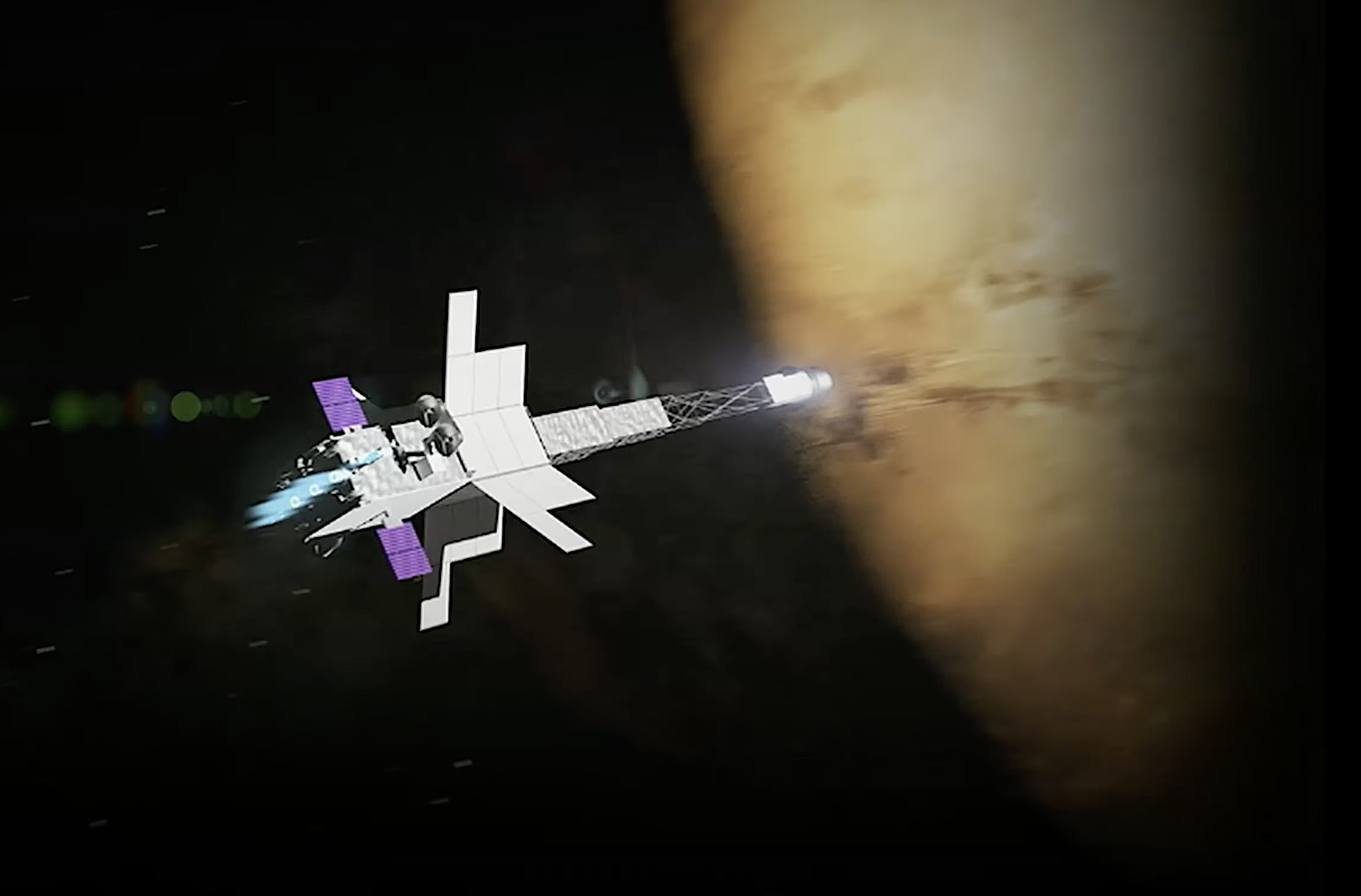
NASA, ESA Fund Human Hibernation Research for Mars
Get the Health newsletter
Daily health & science — research, biotech, public health, the studies worth knowing. Free.
- NASA and ESA are funding multiple research groups working to induce synthetic torpor in humans, which could simultaneously shield against radiation, prevent bone and muscle loss, and shrink the 300kg-per-astronaut food load needed for a Mars round trip
- Elena Gracheva at Yale, studying 13-lined ground squirrels whose body temperature drops to 4C in hibernation, identified the subfornical organ (SFO) as the brain region that abolishes thirst during hibernation and a molecule that triggers the same effect when injected
- Kelly Drew at the University of Alaska has spent more than two decades on NASA-funded research into arctic ground squirrels, discovering that the myosin protein radically changes how it uses energy to keep muscles intact at sub-freezing body temperatures
- Matteo Cerri at the University of Bologna, whose earlier work required invasive brain surgery on the raphe pallidus region, is now preparing to test ultrasound as a noninvasive way to trigger synthetic torpor in healthy human volunteers with ESA funding
- Siniša Hrvatin at MIT activated neurons in the preoptic area of hamsters and drove their body temperature down to 15C; he plans to investigate whether the same circuit exists in humans
- Clifton Callaway at the University of Pittsburgh gave healthy humans the sedative dexmedetomidine for five days under NASA funding, producing a 20% drop in metabolic rate and a 30% decrease in calorie consumption
- University of Groningen researchers Rob Henning, Roelof Hut, and Kees van der Graaf isolated the molecule SUL-138 from Syrian hamsters and have begun a small human trial in Parkinson's disease patients, with potential applications also in heart failure, asthma, and cancer
Why it matters: Radiation, physiological decay, and payload mass are the three biggest blockers of a crewed Mars mission. If synthetic torpor works, the same intervention could cut per-astronaut food needs by 25%+ and shield organs from radiation simultaneously, while the parallel Earth-bound applications (Parkinson's, cancer, emergency medicine) give the research a payoff even before anyone leaves the launchpad.