NYC Council Unveils 17 E-Bike Regulation Bills
Get the Energy newsletter
Daily energy & climate — solar, EVs, oil, the policy fights and tech bets shaping the transition. Free.
- New York City Council unveiled a package of 17 proposed bills Tuesday aimed at tightening oversight of e-bikes, scooters, and other micromobility vehicles, prompted by a recent rise in high-profile crashes involving electric two-wheelers.
- The legislative package would ban the sale of Class 3 e-bikes (currently legal but capped at 25 mph/40 km/h in NYC), require delivery companies to obtain commercial licenses, share more rider data, carry additional insurance, and assume greater responsibility for their riders' behavior.
- Additional bills would increase enforcement against illegal electric mopeds and higher-powered vehicles masquerading as bicycles, strengthen penalties for hit-and-run riders, establish a trade-in program for illegal vehicles, and create a task force to study street design improvements.
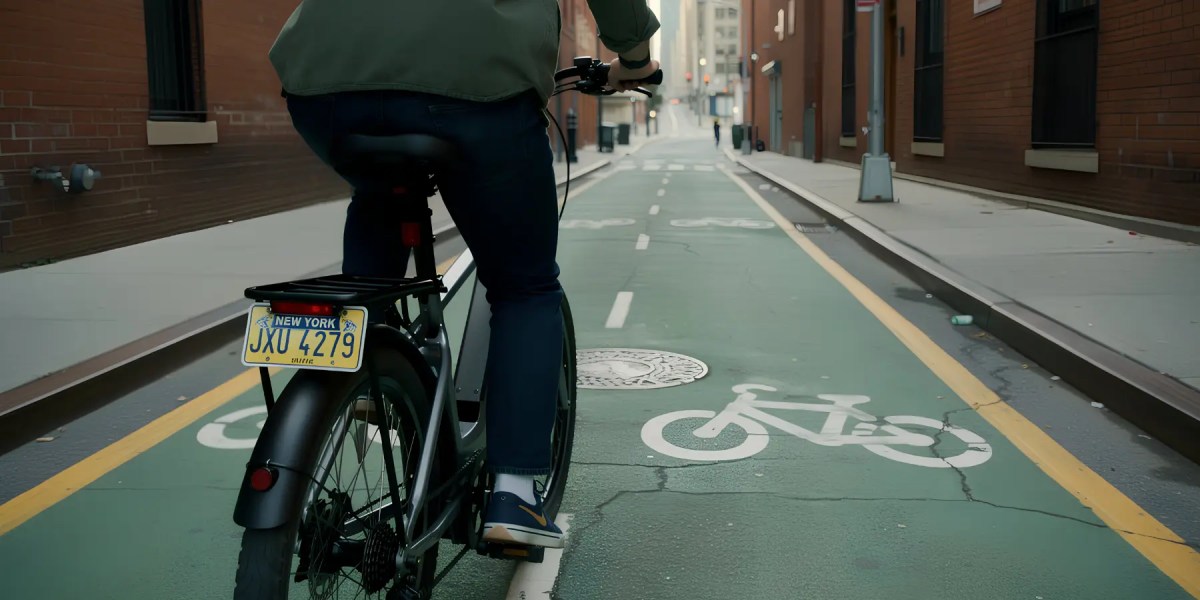
- Notably absent from the package is a proposal requiring license plates and registration for all e-bikes and e-scooters — bicycle advocates argued such a requirement would discourage legal low-speed e-bike riding while doing little to curb riders already ignoring the law.
- The proposals continue NYC's focus on regulating the delivery industry rather than its roughly 80,000 delivery workers, placing greater responsibility on food delivery platforms — though worker advocacy groups warned enforcement could still disproportionately affect immigrant communities.
- The City Council is expected to begin committee hearings on the legislation this fall, per the New York Times.
- A key distinction the package implicitly draws is between legal Class 1, 2, and 3 e-bikes operating under strict speed limits and the illegal high-speed electric motorcycles and mopeds increasingly lumped together with conventional e-bikes in public discourse.
Why it matters: For the roughly 80,000 NYC delivery riders and the platforms that employ them, the bills would shift liability from workers to companies via commercial licenses, insurance requirements, and rider-data sharing, while leaving out a contested license-plate mandate that critics argued would punish legal riders. For ordinary e-bike commuters, a Class 3 sales ban and tightened enforcement against illegal mopeds reshape what vehicles are even available on city streets — and committee hearings this fall will determine which of the 17 proposals survive.