CPSC proposes mandatory federal safety rule for e-bike batteries — SkimNews

SkimNews Take
Mandatory UL certification functions as a market gatekeeper—compliance costs favor established brands while pricing out low-cost imports and the DIY conversion-kit ecosystem the rule also targets.
Get the Energy newsletter
Daily energy & climate — solar, EVs, oil, the policy fights and tech bets shaping the transition. Free.
- CPSC proposed a federal safety rule that makes existing voluntary UL standards mandatory for e-bikes and adds new requirements targeting lithium-ion battery fire risks
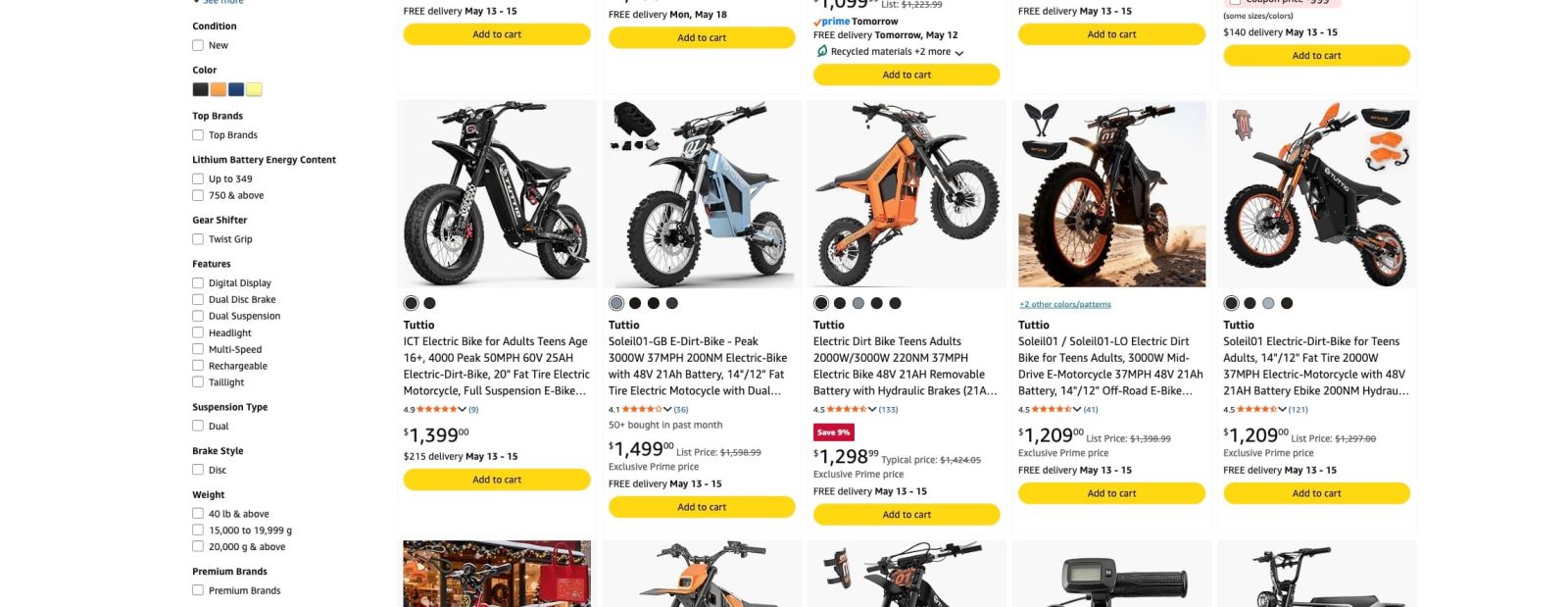
- The proposal's scope extends beyond complete e-bikes to replacement battery packs, battery management systems (BMS), chargers, aftermarket electrical components, and bicycle-to-e-bike conversion kits
- New requirements include tamper-resistant battery enclosures, BMS testing to prevent charging overheated cells, reverse-polarity protections against incompatible chargers, and expanded warning labels addressing DIY battery packs
- Impact varies sharply by segment: established manufacturers already building to UL standards face modest engineering updates, while low-cost imports, aftermarket battery suppliers, and conversion kit makers could face dramatic changes
- Commercial micromobility fleets — rental e-bike and e-scooter operators — would also fall under the same federal requirements
- Public comments on the proposal are open through August 24 before the CPSC decides whether to finalize the rule
- Electrek's editorial take notes that catastrophic e-bike fires overwhelmingly involve low-quality batteries, incompatible chargers, damaged packs, or DIY modifications, and that fires remain an extreme rarity even among poorly produced batteries
Why it matters: The rule targets the exact market segment most linked to high-profile battery fires — cheap imports, aftermarket packs, and conversion kits — while largely codifying practices that reputable manufacturers already follow voluntarily. If finalized, it could squeeze unsafe components out of the US market, but the compliance burden risks raising prices on legitimate replacement batteries for everyday riders.
Ask SkimNews