Brain Health Monitoring Goes Proactive With New Biomarkers — SkimNews

SkimNews Take
Brain-health monitoring tools are arriving faster than validated consumer-facing interpretation, likely creating a pipeline of concerning readings that funnel people into overstretched clinical follow-up before evidence supports routine screening.
Get the Health newsletter
Daily health & science — research, biotech, public health, the studies worth knowing. Free.
- Brain health research has surged from a handful of studies in the early 2000s to more than 4,000 published annually, fueled by cultural demand for personalized health data and growing mental health concerns.
- APOE4 genetic testing can flag a 3-4x increased Alzheimer's risk, but UK and US Alzheimer's organizations don't recommend the tests because lifestyle factors heavily influence actual disease outcome.
- Routine brain scans surface incidental findings in roughly 4% of cases — often harmless but triggering anxiety and follow-up testing — and none of the doctors interviewed recommend them as a general health strategy.
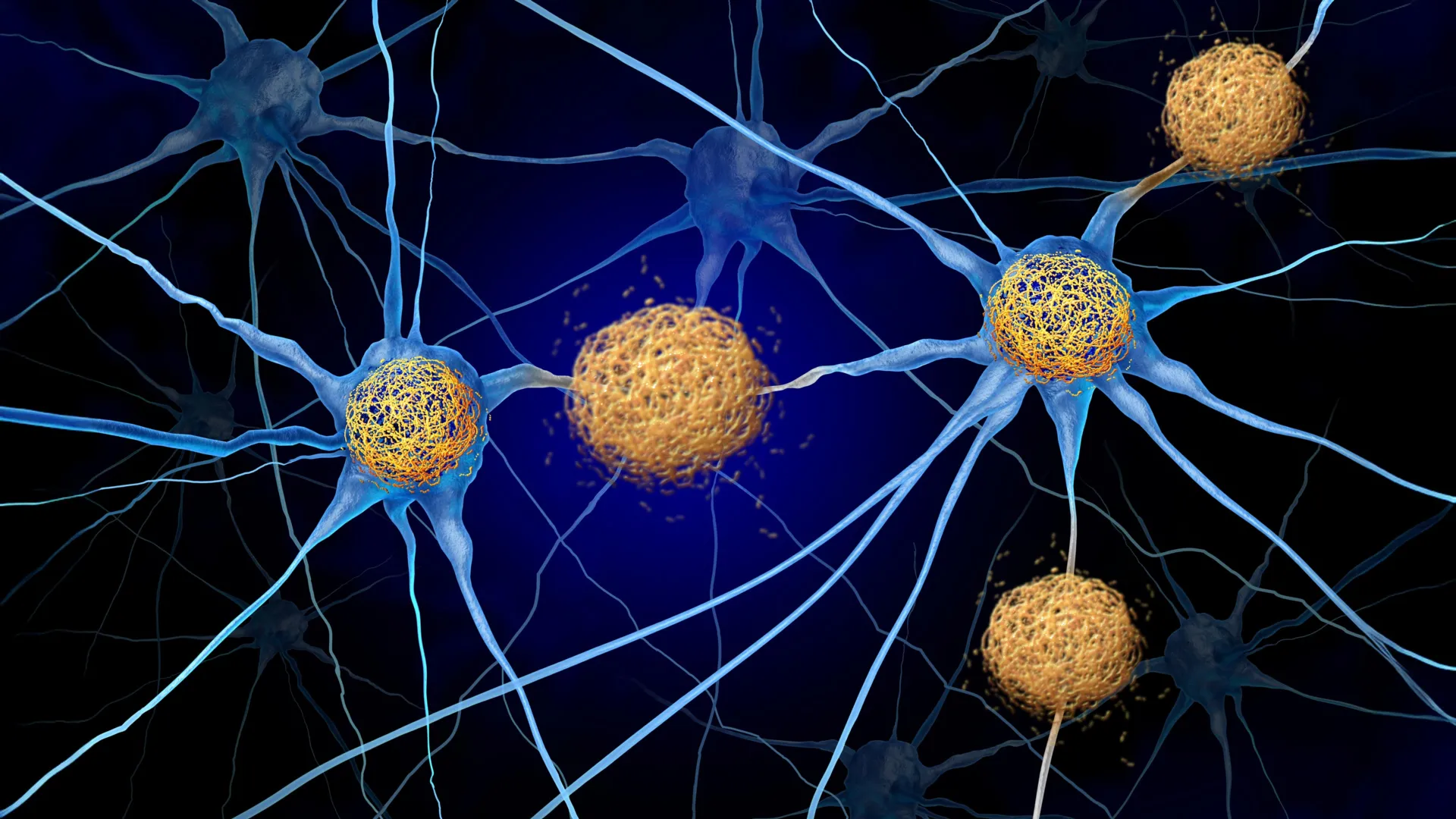
- Alzheimer's blood tests that measure beta-amyloid and tau proteins now outperform brain scans in some cases and can flag disease before symptoms appear, though they're not yet recommended for people without symptoms.
- Evgeniia Lobanova at the University of Cambridge is studying protein "specks" released by brain immune cells that may identify people likely to develop Parkinson's or Alzheimer's up to five years before symptoms show.
- Maiken Nedergaard at the University of Rochester found that the glymphatic waste-clearance pumps in the brain are driven by the same mechanisms as heart rate variability during sleep, potentially making HRV a brain health biomarker accessible via smartwatch.
- A Muse survey found roughly 40% of US adults believe they have an undiagnosed brain condition, with anxiety and depression topping their concerns — and most would still take a brain health test even if it revealed an untreatable disease.
Why it matters: Consumers now face a booming marketplace of brain health tests — genetic panels, imaging, blood biomarkers, wearables — yet clinicians interviewed actively discourage routine use and major Alzheimer's organizations recommend against APOE4 testing, meaning people risk spending money and generating anxiety on tools whose clinical value remains unproven.
Ask SkimNews