ASEAN Unites Against Taking Sides in US-China Rivalry — SkimNews
Get the Geopolitics newsletter
Daily geopolitics — wars, elections, sanctions, the diplomatic moves that move markets. Free.
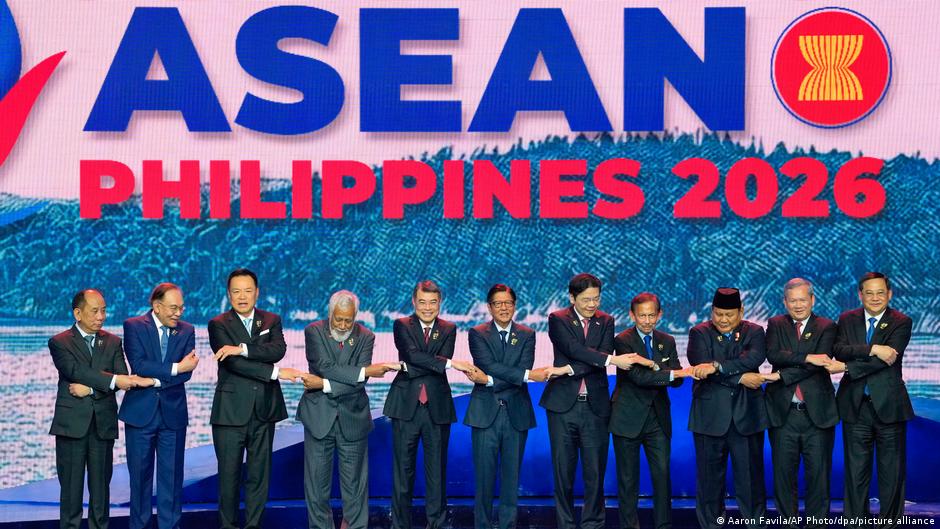
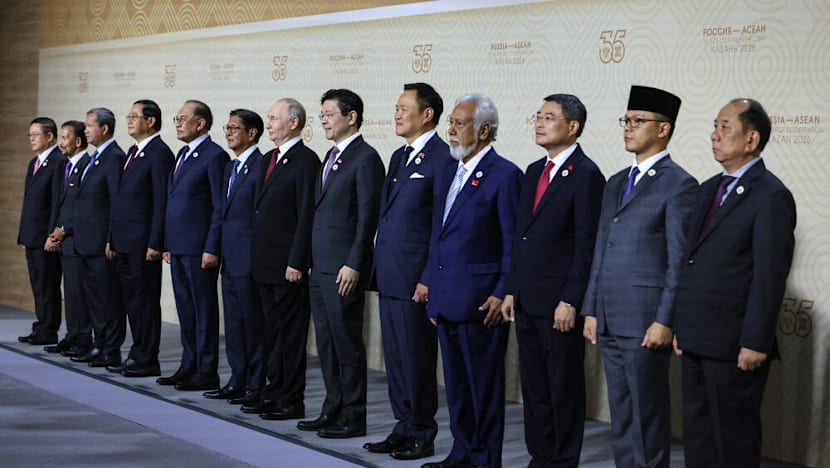
- ASEAN maintains a unified stance against aligning with any major power in the U.S.-China rivalry, emphasizing an open and inclusive regional order through active engagement with all.
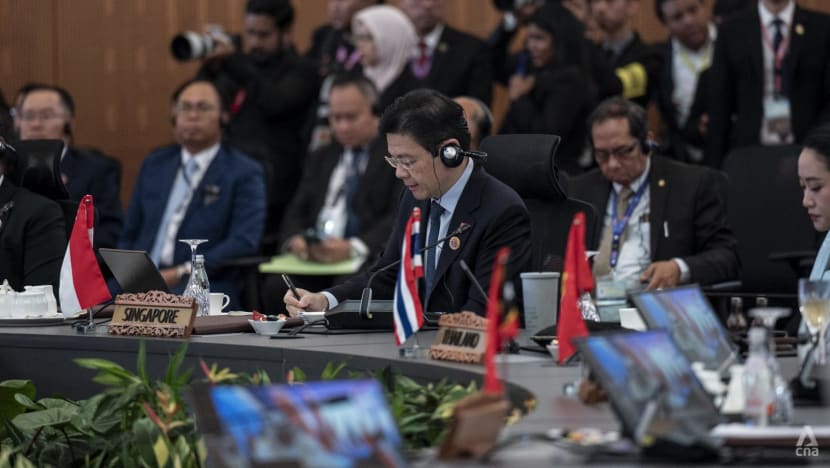
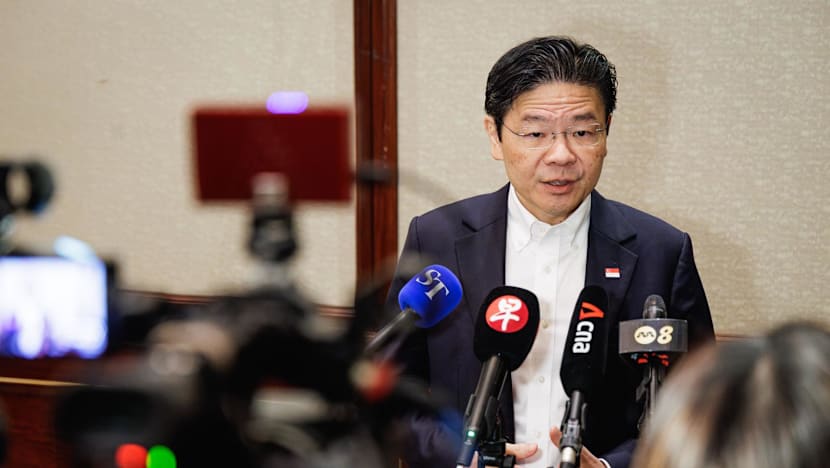
- Singapore affirms its role as a neutral actor, with Prime Minister Lawrence Wong stating the country aims to remain friends with both the U.S. and China, as well as Japan and other key partners.
- Prime Minister Lawrence Wong highlighted ASEAN’s existing platforms like ASEAN Plus Three and regional summits as proof of its commitment to constructive dialogue despite major power tensions.
- ASEAN is accelerating sub-regional integration efforts, including growth triangles linking Singapore, Malaysia’s Johor, and Indonesia’s Riau Islands, to advance economic connectivity at varying paces.
- Prime Minister Lawrence Wong visited Hainan to study its new free trade port model, citing its potential relevance for ASEAN’s broader market integration goals ahead of Singapore’s 2024 chairmanship.
Why it matters: ASEAN’s collective refusal to take sides preserves its strategic autonomy amid intensifying U.S.-China competition, allowing smaller economies to pursue independent trade and diplomatic pathways without forced alignment. This cohesion strengthens regional resilience and positions ASEAN as a pivotal diplomatic bloc in Asia-Pacific affairs.
Ask SkimNews