China Submarine-Launches Ballistic Missile in South Pacific — SkimNews
Get the Geopolitics newsletter
Daily geopolitics — wars, elections, sanctions, the diplomatic moves that move markets. Free.
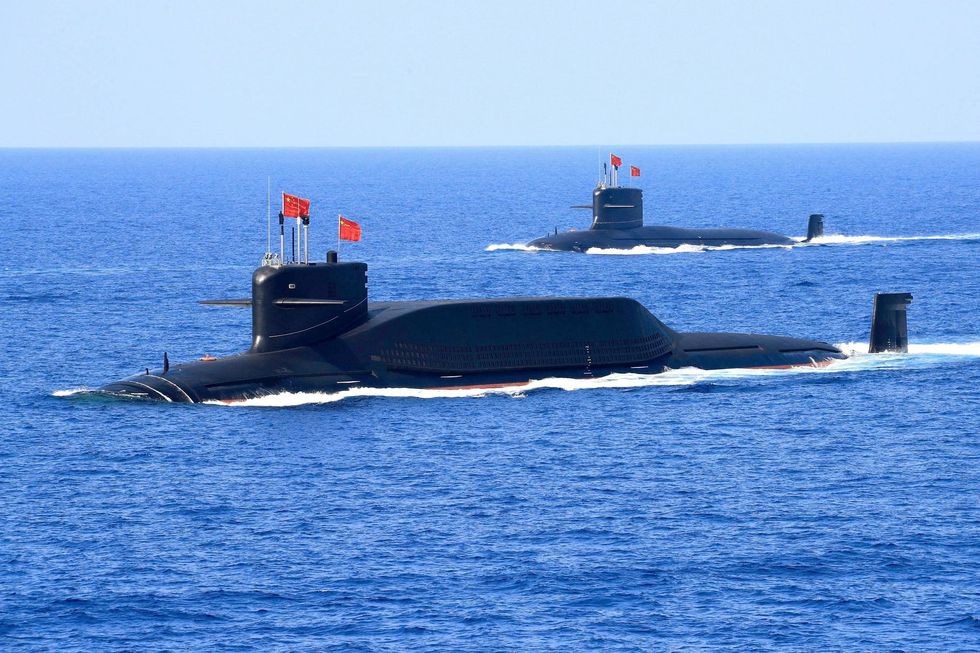
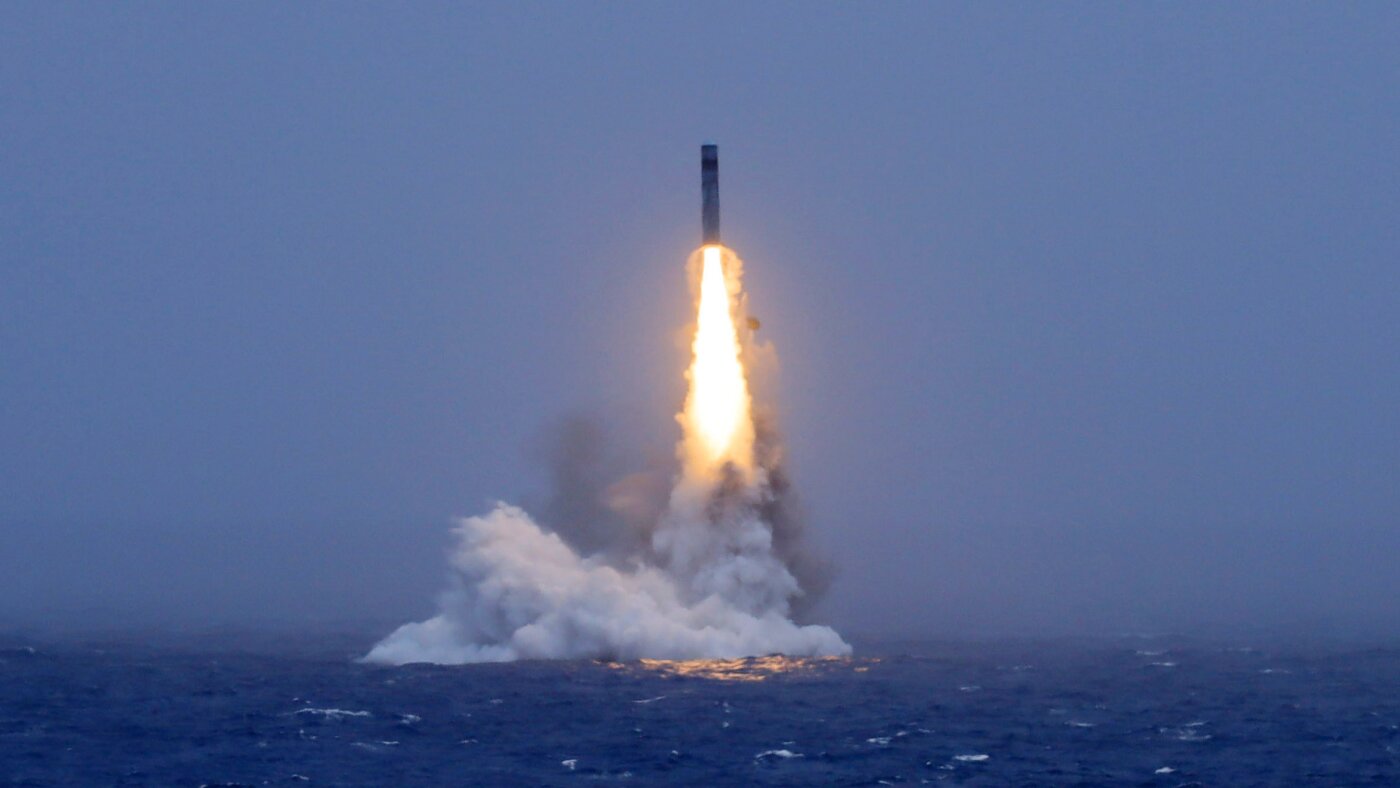
- China's navy test-launched a long-range ballistic missile from a nuclear-powered submarine into the South Pacific at 12:01 p.m. Monday, carrying a dummy warhead per Xinhua — the first publicly acknowledged long-range launch from a Chinese nuclear-powered ballistic missile submarine, according to expert Lyle Morris.
- New Zealand Foreign Minister Winston Peters said Beijing informed Wellington only hours beforehand, noting the missile landed inside the South Pacific Nuclear Free Zone established by the 1986 Treaty of Rarotonga, which China itself ratified in 1987.
- Australia's Foreign Minister Penny Wong called the test "destabilizing to the region" while standing alongside Fiji in Suva — the same day the two countries signed a new mutual defense treaty explicitly aimed at countering Chinese influence in the Pacific.
- Japan's Defense Ministry urged Beijing to "rethink" its missile testing so projectiles no longer overfly Japanese territory, with Chief Cabinet Secretary Minoru Kihara citing "grave concern" over China's military activities and rising defense spending.
- U.S. State Department spokesperson Thomas Pigott accused Beijing of undermining nonproliferation, demanding "meaningful arms control discussions" and regularized launch notifications — notable because Morris said Washington was among countries NOT pre-notified, making the test a deliberate signal to the U.S.
- The Pentagon's late-2025 report to Congress estimated China's nuclear stockpile at roughly 600 warheads in 2024, projecting the People's Liberation Army is on track to field more than 1,000 by 2030, backed by six ballistic-missile submarines and 59 nuclear-powered attack submarines per the Nuclear Threat Initiative.
Why it matters: The launch marks China's first publicly acknowledged long-range SLBM test — and the deliberate omission of pre-launch notification to Washington reframes it as a direct nuclear-deterrent signal to the United States rather than generic regional saber-rattling. It lands as the Pentagon projects China's warhead count surpassing 1,000 by 2030, alongside Beijing's failure to honor its 1987 commitment not to test within the Rarotonga Nuclear Free Zone.
Ask SkimNews