China Fires Ballistic Missile From Submarine Into Pacific — SkimNews
Get the Geopolitics newsletter
Daily geopolitics — wars, elections, sanctions, the diplomatic moves that move markets. Free.
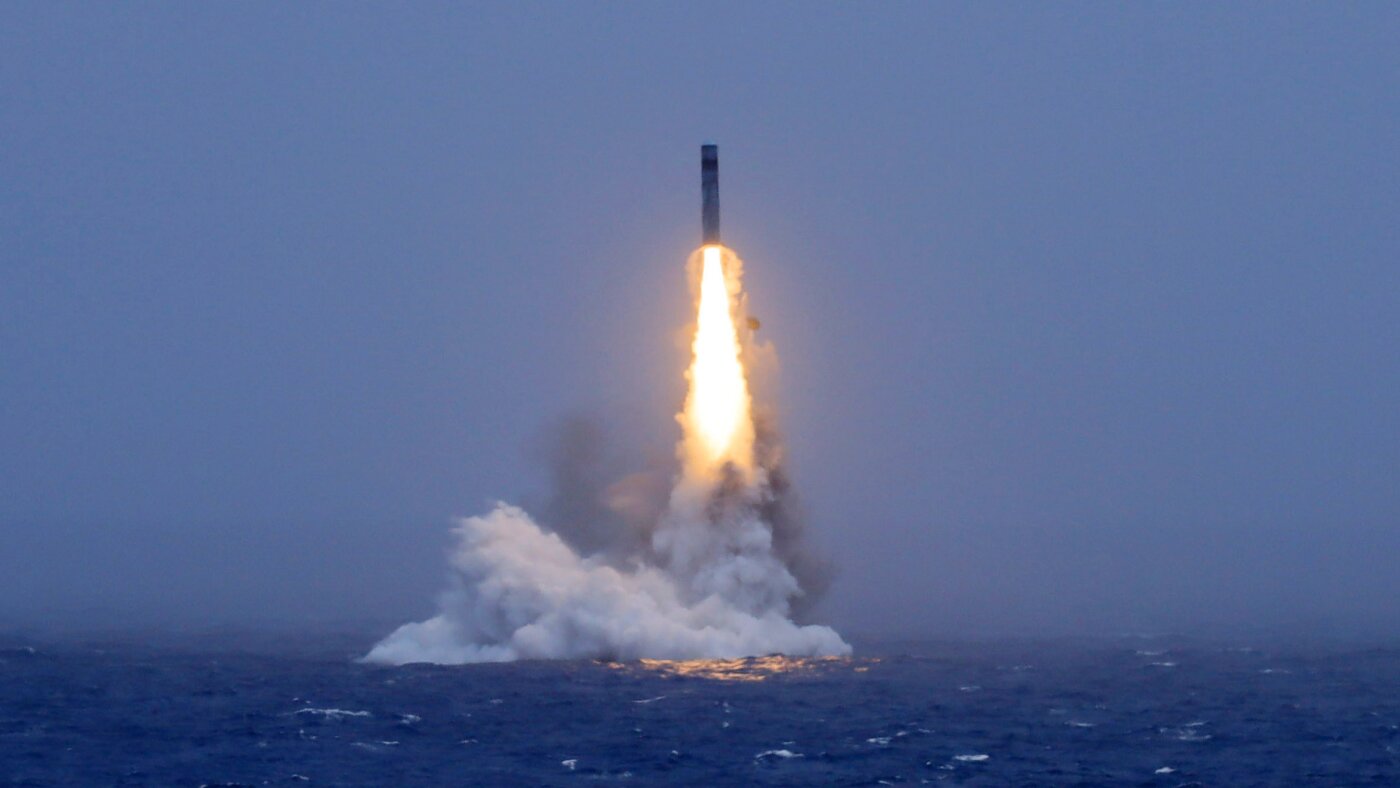
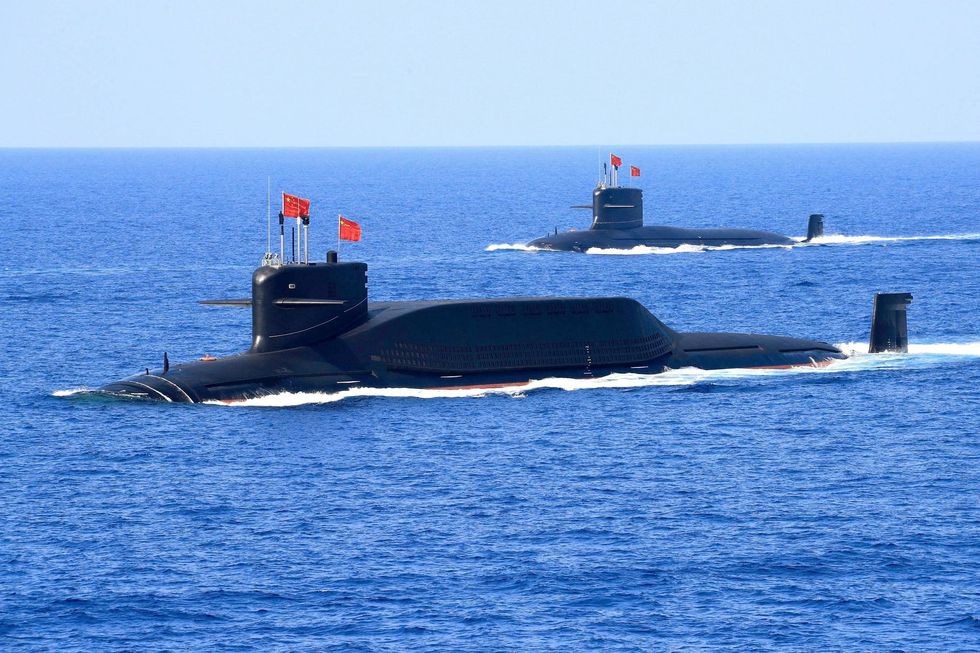
- China's navy test-launched a long-range ballistic missile from a nuclear-powered submarine into the Pacific Ocean on Monday, carrying a dummy warhead rather than a nuclear one, and announced the launch publicly only after firing it, calling it "routine annual training."
- The state-owned Global Times said the missile was "most likely" a JL-3 with a range exceeding 10,000 kilometers, though experts noted available imagery wasn't clear enough to distinguish it from the shorter-range JL-2.
- New Zealand said the launch violated the 1986 Treaty of Rarotonga's South Pacific Nuclear Free Zone — a protocol China ratified in 1987 pledging not to test nuclear weapons in the zone — while Australian Prime Minister Anthony Albanese called it a "provocative act" that "destabilize[s] the region."
- Solomon Islands Prime Minister Matthew Wale broke with his country's China-friendly posture, telling reporters in Honiara: "Be our friend, but don't threaten us … this is not something a friend does."
- China's defense budget is projected at $270 billion in 2026, having grown roughly 7% annually for four years, though SIPRI estimates the real 2024 figure at $313.7 billion — funding the world's largest standing army and navy alongside an actively expanding nuclear arsenal.
- Japan is doubling its long-held 1% of GDP defense cap to 2% after PM Sanae Takaichi's comments on defending Taiwan, with China retaliating through tightened export controls and accusing Tokyo of embracing "a new time of militarism."
Why it matters: Australia's PM called the launch a "provocative act" that "destabilize[s] the region" — and the test lands as China funnels an estimated $270-313 billion annually into the world's largest army and navy. Neighbors are responding in kind: Japan is doubling its defense cap to 2% of GDP, the Philippines just gave the U.S. four more base sites, and New Zealand invoked a 1986 treaty breach — all unfolding against China's stated refusal to rule out force over Taiwan.
Ask SkimNews