China submarine missile test targets US, experts say — SkimNews
Get the Geopolitics newsletter
Daily geopolitics — wars, elections, sanctions, the diplomatic moves that move markets. Free.
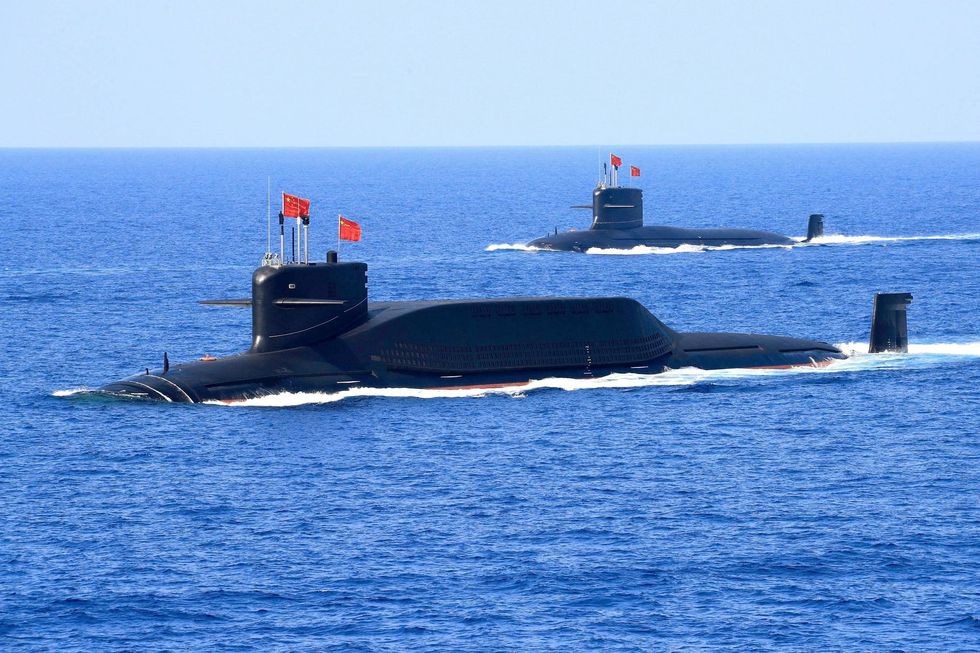
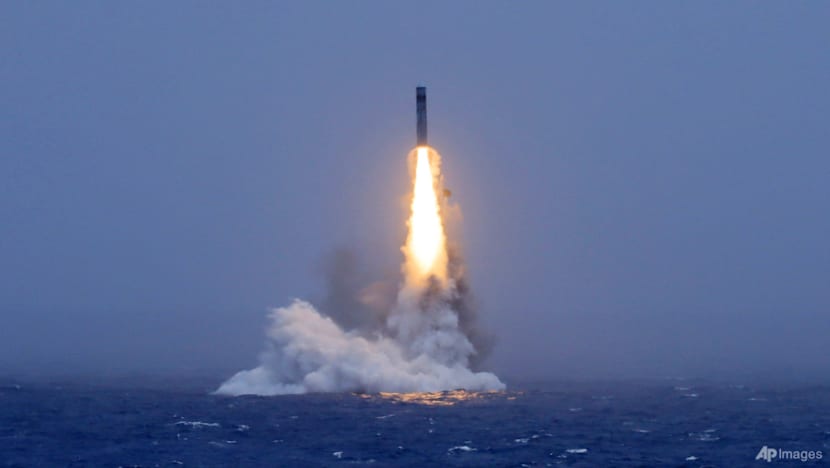
- China's People's Liberation Army fired a ballistic missile from a nuclear-powered submarine into the South Pacific, demonstrating the sea-based leg of its nuclear triad and a second-strike capability that works even if China is attacked first.
- The missile landed in the South Pacific Nuclear Free Zone established by the 1986 Treaty of Rarotonga; China ratified the protocol prohibiting such tests in the zone in 1987, Solomon Islands PM Matthew Wale said the launch was 'not something a friend does.'
- Australia and New Zealand said they were not given enough prior notice — PM Anthony Albanese called it 'a provocative act by China which does destabilize the region' while in Honiara negotiating a bilateral treaty with Solomon Islands.
- China has been building nuclear-powered submarines faster than the U.S. over the past five years, according to the International Institute for Strategic Studies.
- Taiwan's National Security Council identified the missile as a JL-2 launched from waters off Guangdong; Chinese state media experts said it was likely a JL-3, which they claim could strike 'the east side of the Pacific from the west side.'
- China is not a member of the Hague Code of Conduct, which expects states to provide at least 24 hours' notice before ballistic missile tests, though it defended the launch as appropriately notified.
- Beijing framed the test as part of annual exercises, and Carnegie analyst Tong Zhao said 'China wants to become a major military power' and 'should be put under the same standards' as the U.S., U.K., and France.
Why it matters: The test lands in a zone China formally pledged not to test in 1987, and Pacific Island nations — already courted by Beijing through bilateral security deals — are now openly rebuking it while Australia accelerates its own defense pacts with Vanuatu, Fiji, and Papua New Guinea. The Hague Code of Conduct has no binding force and China isn't a member, so there is no formal mechanism to penalize short-notice tests.
Ask SkimNews