US, Iran Trade Attacks as Ceasefire Strains Further — SkimNews

Get the Geopolitics newsletter
Daily geopolitics — wars, elections, sanctions, the diplomatic moves that move markets. Free.
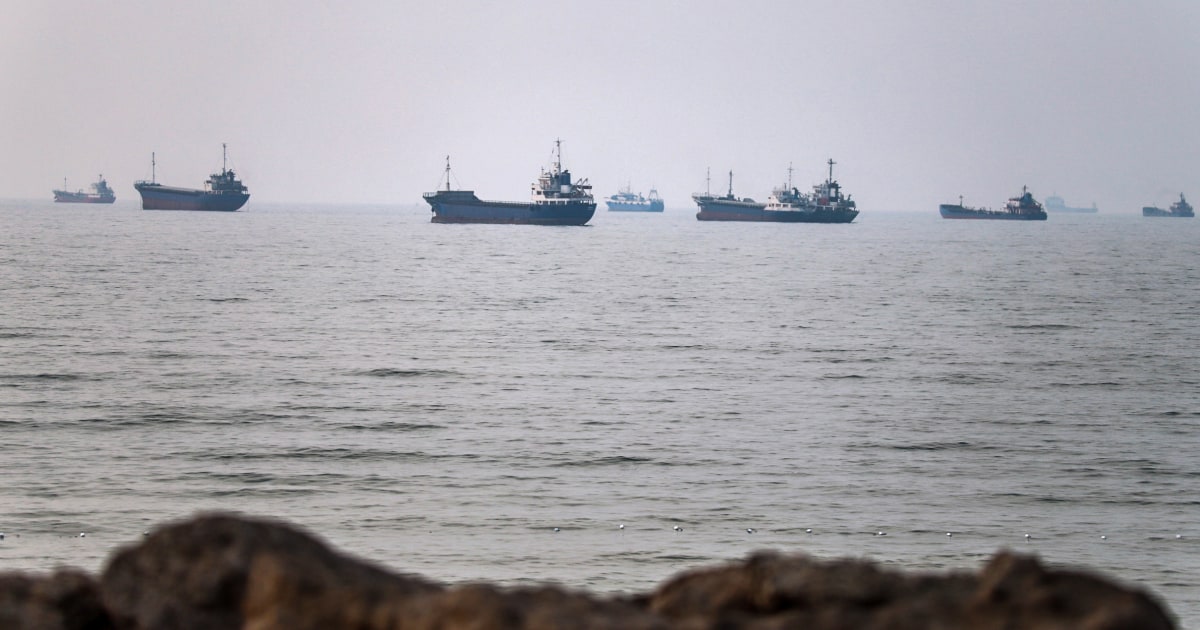
- CENTCOM said the US struck approximately 90 military targets in Iran including missile and drone storage and logistics sites along Iran's coastline, aimed at degrading Iran's ability to threaten freedom of navigation in the Strait of Hormuz.
- Iran's IRGC attacked US-linked bases in Arifjan and Ali Al Salem in Kuwait and Juffair and Sheikh Isa in Bahrain, with Iran's army separately claiming it struck a Patriot missile system in Kuwait, a satellite antenna in Qatar, and US fuel depots in Bahrain.
- Trump posted on Truth Social that the US attacks were 'retribution for yesterday's bombing of ships by Iran' and warned 'If it happens again, it will get much worse!' while telling reporters on Air Force One — after attending the NATO summit in Turkiye — that Iran had called wanting 'to make a deal so badly.'
- Iran's Health Ministry reported at least 14 people killed and 78 injured over two days, with strikes hitting a Tehran-Mashhad railway bridge, a military base in coastal Bushehr, and causing explosions in Bandar Abbas, Konarak, and Chabahar, where part of Chabahar lost electricity.
- Iran's chief negotiator Mohammad Bagher Ghalibaf said the Strait of Hormuz would reopen only under 'Iranian arrangements' and warned 'If you strike, you will be struck,' framing control of the waterway as Iran's indispensable leverage.
- Qatar's Prime Minister Sheikh Mohammed bin Abdulrahman bin Jassim Al Thani told Iranian Foreign Minister Abbas Araghchi by phone that both sides should implement the MoU to end the war, as UN Secretary-General Antonio Guterres and Pakistan also called for maximum restraint.
- The June MoU, mediated by Pakistan and Qatar, launched a 60-day talks track on Iran's nuclear program, Strait of Hormuz administration, and access to billions in frozen Iranian funds — the framework now under direct strain as fighting resumes.
Why it matters: With Iran striking US-linked bases in Kuwait, Bahrain and Qatar, three Gulf states hosting American forces are now absorbing direct retaliation, raising the risk of a wider regional war. Iran insists the Strait of Hormuz will only reopen under 'Iranian arrangements' while Trump says Iran wants 'to make a deal,' leaving a narrow diplomatic window propped up by the same Qatar-Pakistan mediators who built the original June MoU.
Ask SkimNews