China Tests SLBM From Nuclear Submarine in Pacific — SkimNews
Get the Geopolitics newsletter
Daily geopolitics — wars, elections, sanctions, the diplomatic moves that move markets. Free.
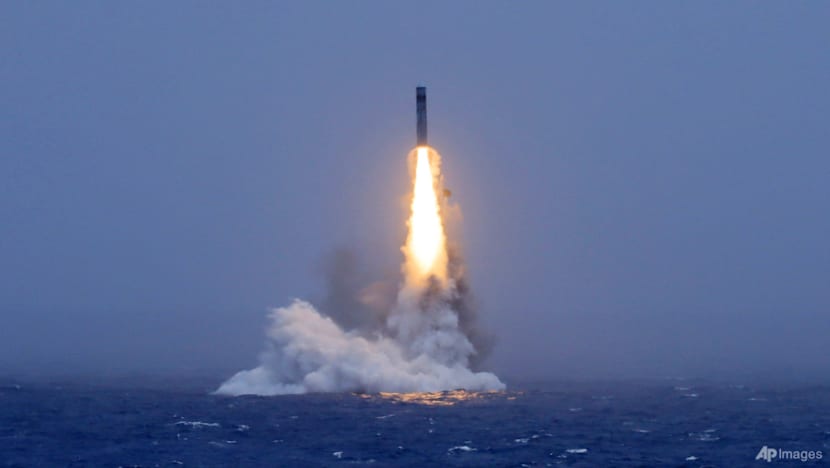
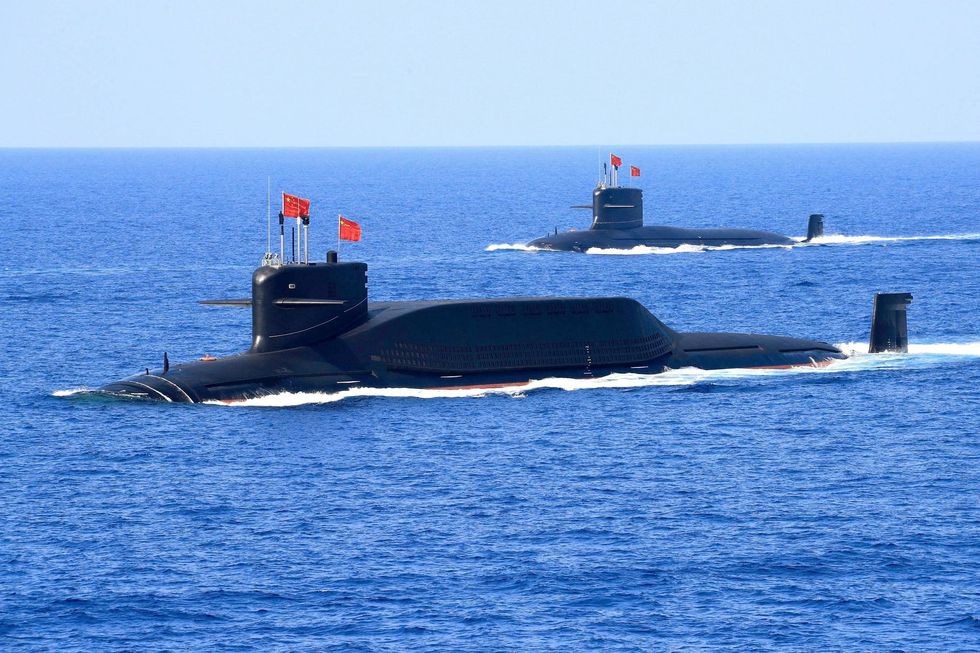
- China test-fired a long-range SLBM into the South Pacific on Monday, only the third time it has launched a long-range missile directly into the Pacific (after 1980 and September 2024), and the first launched from a nuclear-powered submarine rather than a ground-based launcher.
- China's nuclear triad — which also includes ground-based launchers and air-to-ground weapons — has its submarine leg identified by nuclear experts as the weakest link; open-ocean launches validate guidance accuracy across intercontinental distances and full-trajectory flight performance that domestic lofted-trajectory tests cannot replicate.
- The launch came days after a reported U.S. deployment of an Iron Dome-type missile defense system in Japan and hours after Australia and Fiji signed a formal mutual defense treaty — timing the source flags as potentially meaningful given Beijing's displeasure at expanding regional missile-defense architecture and Pacific security ties.
- Beijing characterized the launch as 'routine' training, yet regional dynamics are hardening: Japan PM Sanae Takaichi's November 2025 remarks linking Taiwan's defense to Japan's survival, Filipino defiance in the South China Sea, and stepped-up China-Russia joint military exercises all cited as evidence of a sharpening security dilemma.
- The source argues Washington and its Asia-Pacific allies face a deterrence paradox: each round of stronger deterrence signaling emboldens China's own assertive posture, accelerating a destabilizing regional arms race absent diplomatic off-ramps and mutual reassurance.
Why it matters: China's first SLBM launch from a nuclear-powered submarine closes the weakest leg of its nuclear triad, moving Beijing toward a survivable second-strike capability the U.S. and Japan cannot fully neutralize even with expanded regional missile defense. Arriving days after a U.S. Iron Dome-type deployment in Japan and an Australia-Fiji defense pact, the timing risks locking the Asia-Pacific into the action-reaction arms cycle the source warns against.
Ask SkimNews