Community solar can bridge California’s energy affordability gap
Get the Energy newsletter
Daily energy & climate — solar, EVs, oil, the policy fights and tech bets shaping the transition. Free.
- AB 1813 passed the California Senate Energy, Utilities & Communications Committee on June 16 and now awaits a full Senate floor vote, with Renewable America CEO Ardi Arian urging Gov. Gavin Newsom to sign it into law.
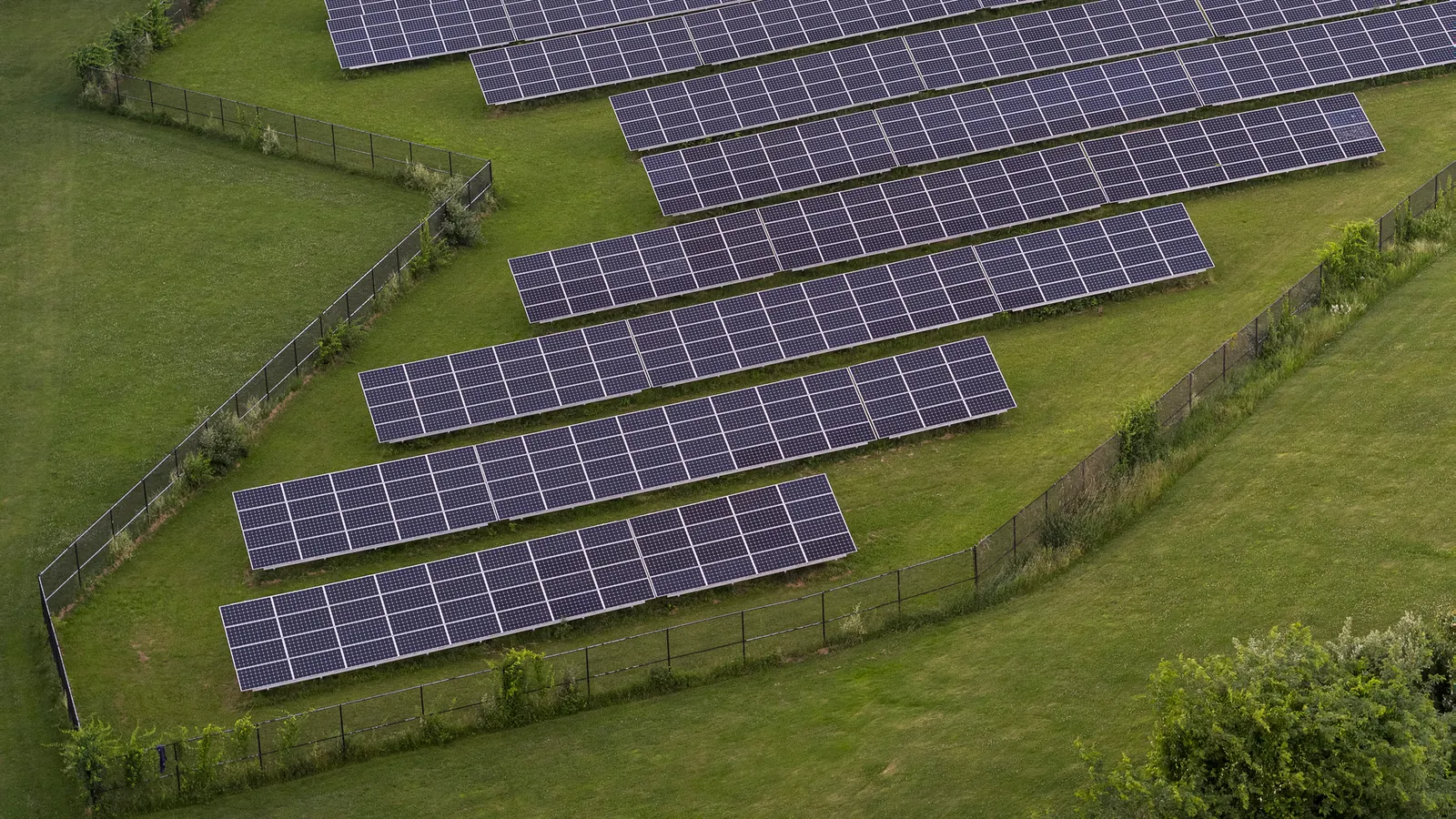
- Community solar subscribers save an average of $200 per year on utility bills, with higher savings for low-income households, and the bill requires over half of new community-level solar projects to serve low-income customers.
- California's Community Choice Aggregators (CCAs) currently serve over a third of the state's electricity consumers, but nearly two out of three Californians still lack CCA access due to regulatory barriers.
- A recent study found that adding community solar and storage projects to California's distribution grid would obviate $2 billion in transmission and distribution upgrades, with a full statewide program saving ratepayers $6.5 billion in energy costs.
- The average overdue utility balance in California stands at $1,120, a figure the author cites to frame the state's energy affordability crisis.
- A recent poll found 80% of Californians support community solar, with backing from a broad coalition including homebuilders, environmental justice groups, ratepayer advocates, and developers.
Why it matters: If enacted, AB 1813 would give roughly two-thirds of Californians—those locked out of community choice aggregation or without suitable roofs—a path to subscribe to local solar, with the bill's own economic case projecting $6.5 billion in ratepayer savings and $2 billion in avoided grid upgrades while mandating majority low-income participation.