Community Solar Can Save Family Farms From Development — SkimNews
Get the Energy newsletter
Daily energy & climate — solar, EVs, oil, the policy fights and tech bets shaping the transition. Free.
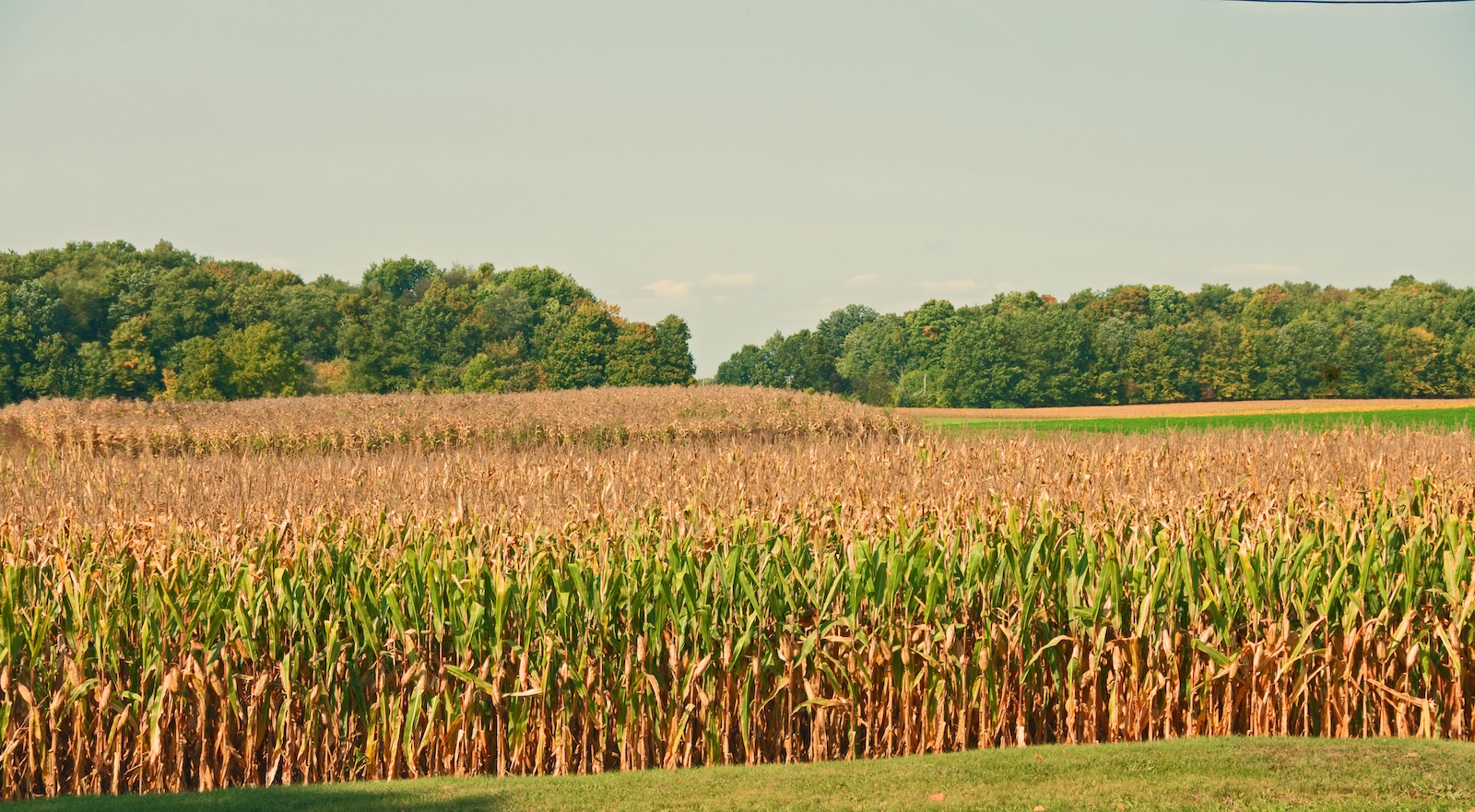
- Abigail Broedlin, VP of asset management at Nautilus Solar Energy, frames the loss of American farmland as a financial squeeze — collapsing commodity prices, rising input costs, and property tax burdens — rather than a choice by farming families to sell.
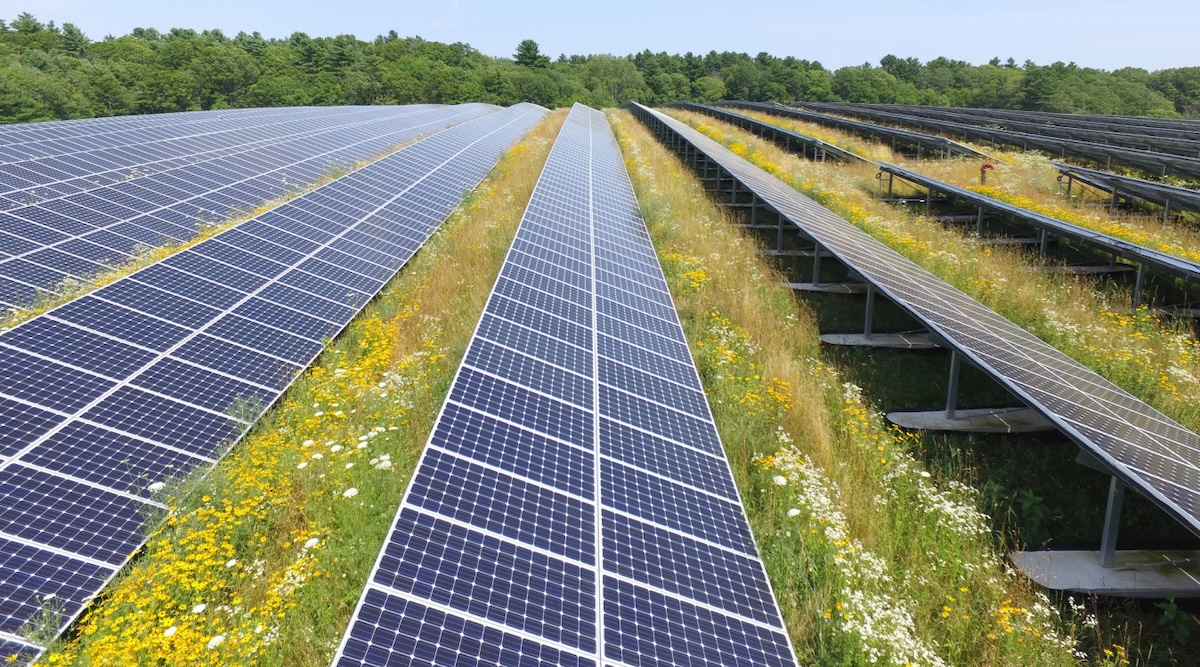
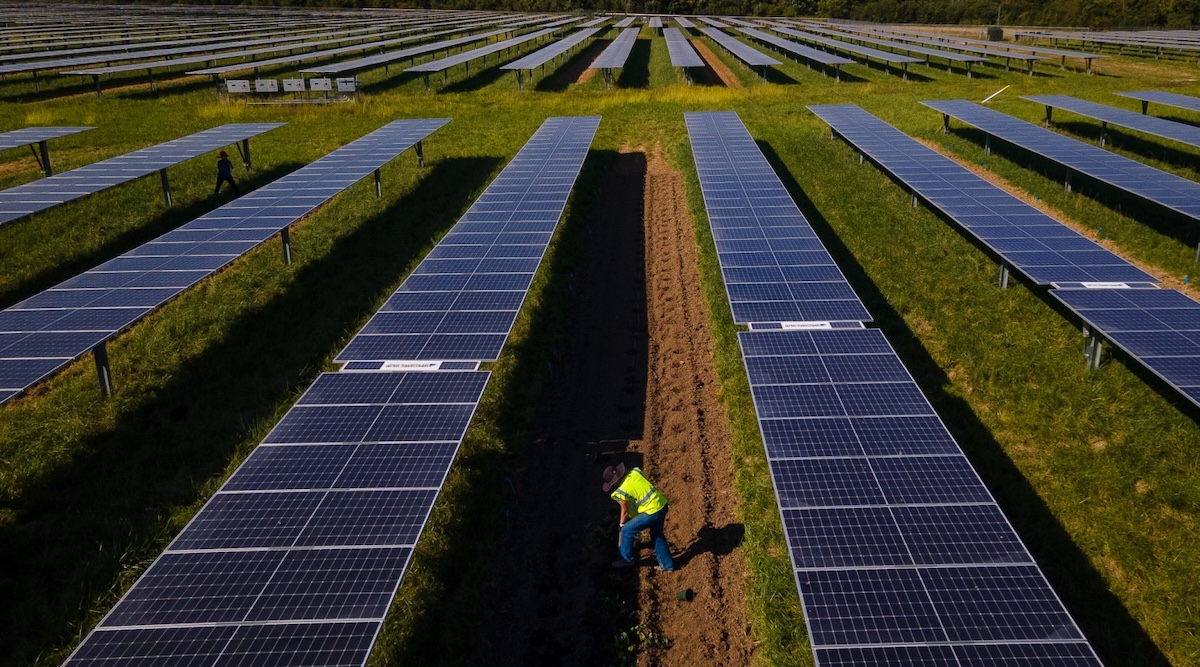
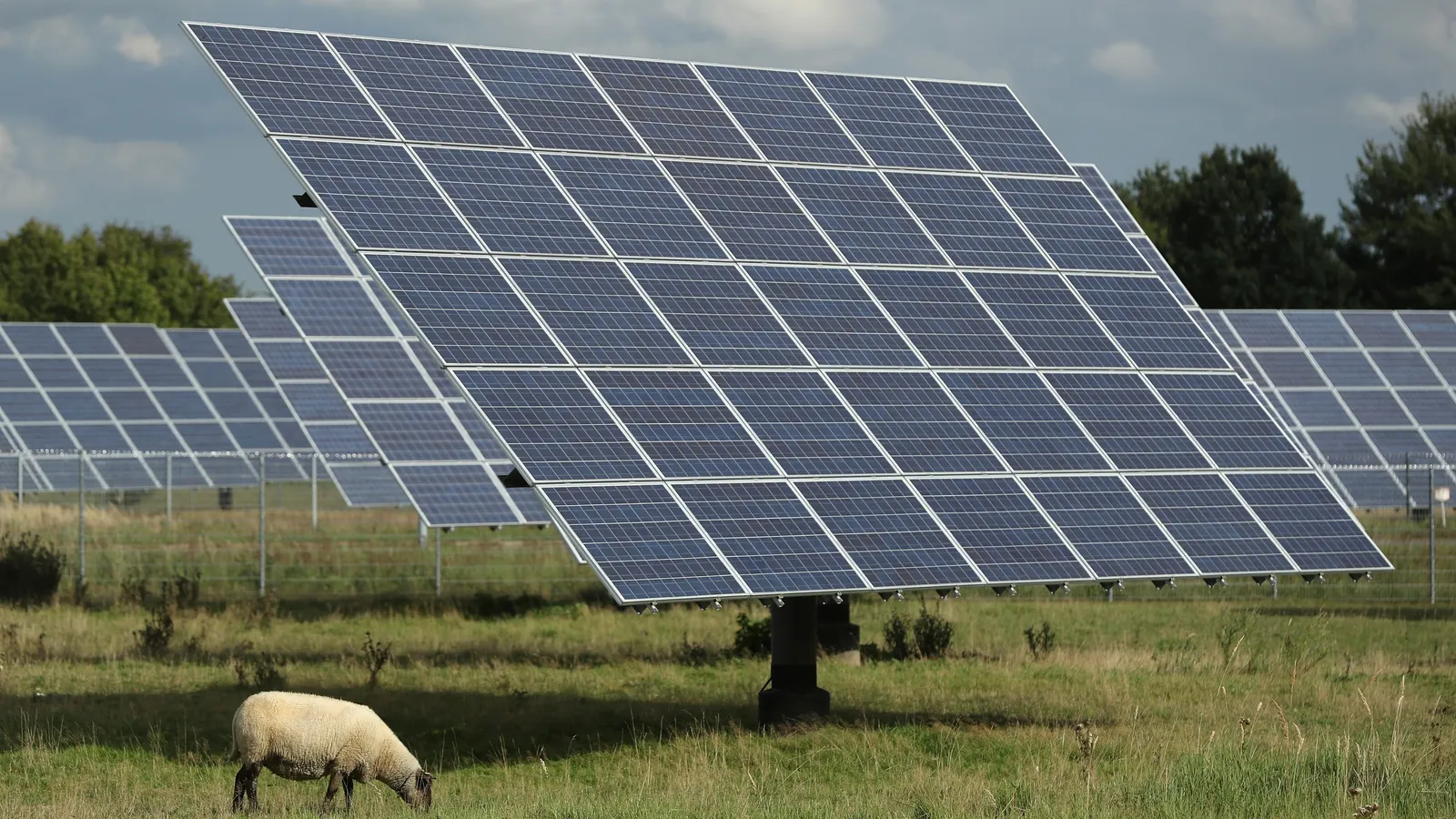
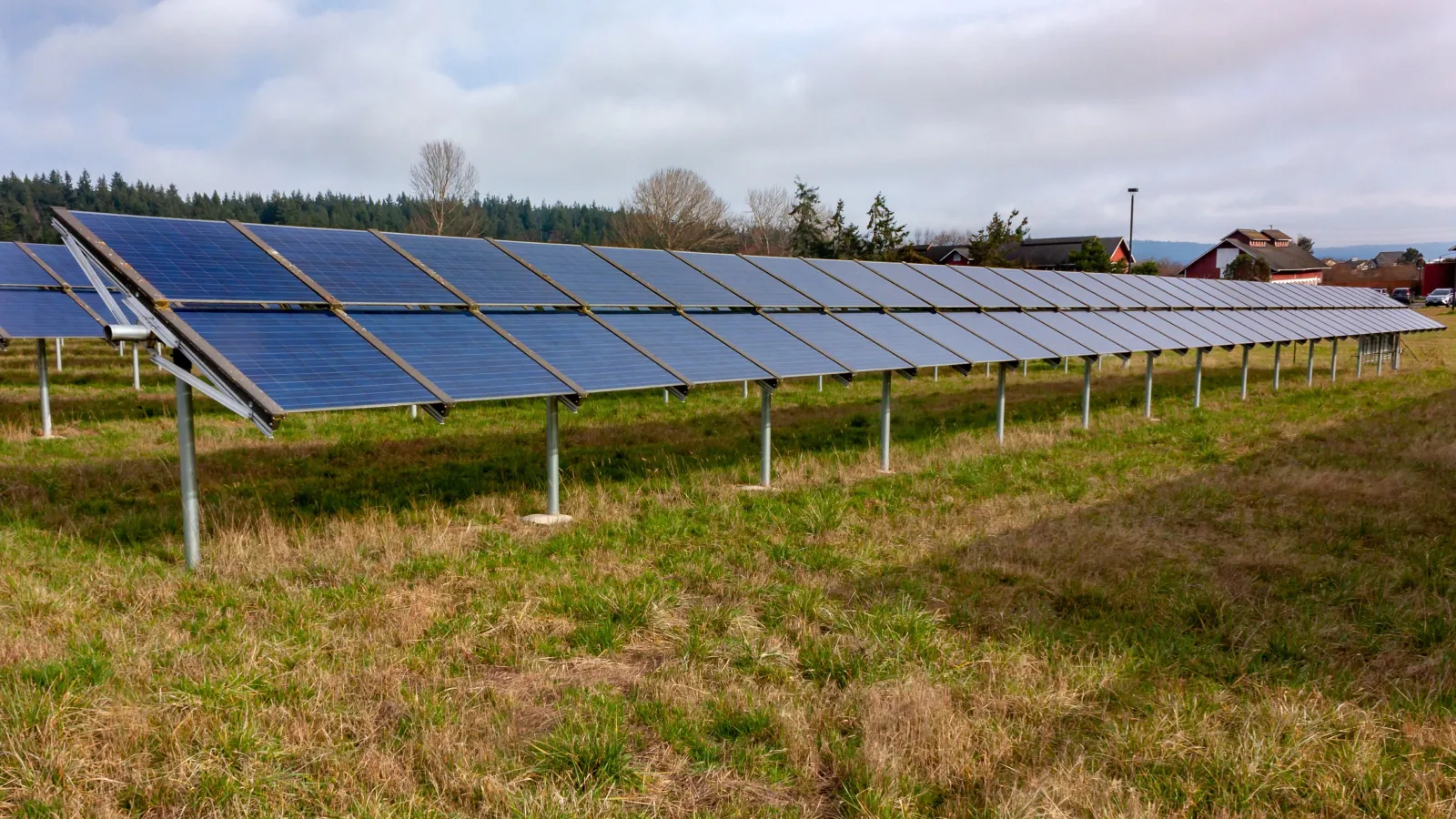
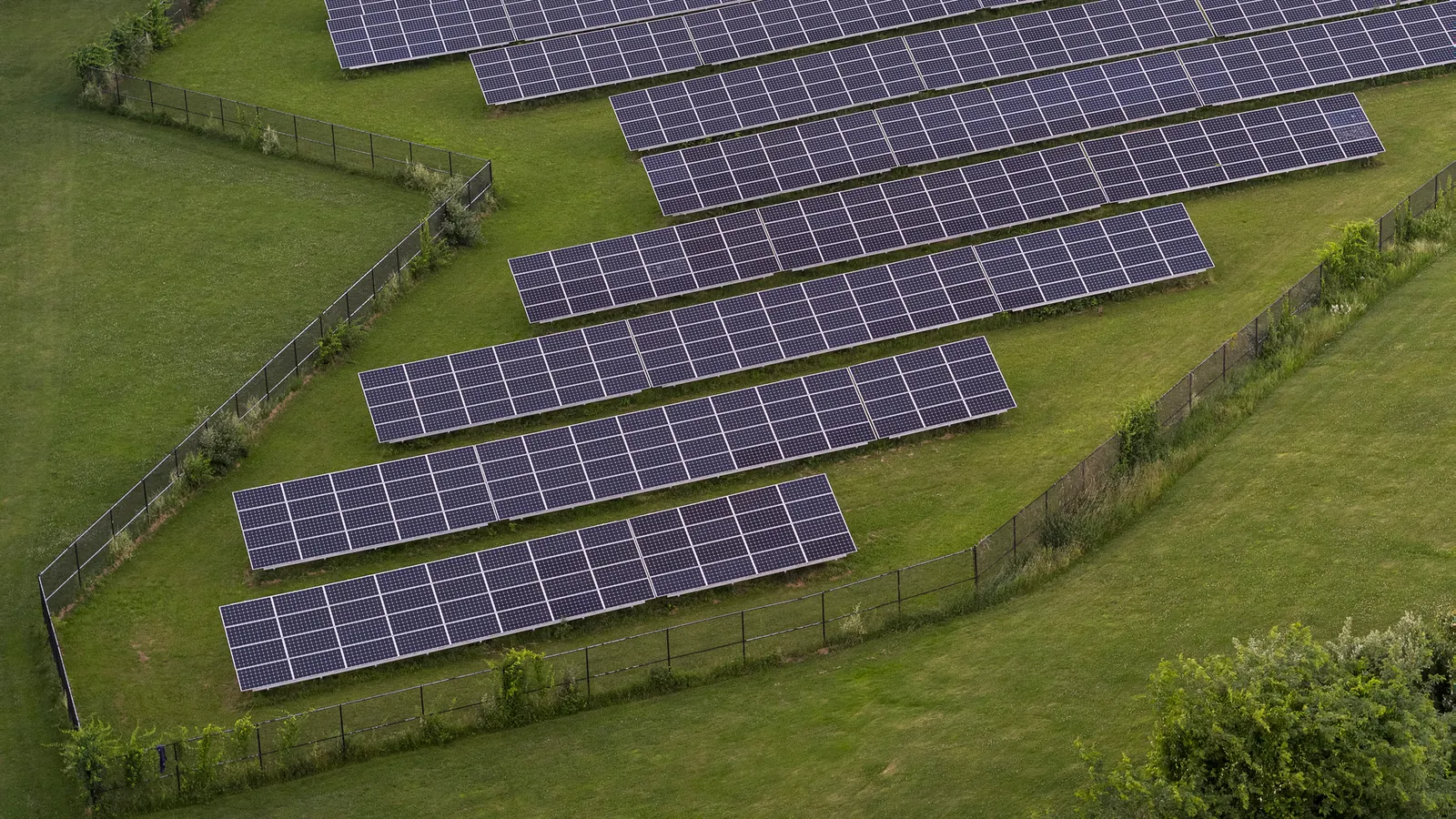
- Community solar projects typically occupy 16 to 60 acres, a fraction of the ~460-acre average American farm reported in the 2024 USDA Census of Agriculture, and are usually sited on lower-yield or underperforming parcels while the rest stays in agricultural use.
- Lease payments from community solar can offset or fully cover property taxes, giving farmers predictable income to weather bad years and plan beyond a single season.
- Without that revenue, landowners often face pressure to sell portions of their property to housing developments, industrial uses, or make other permanent changes that remove the land from agriculture altogether.
- Community solar leases run 20 to 40 years; at the end of the term, panels can be removed and recycled and the acreage returned to crop production, meaning the projects don't permanently take land out of farming.
- Broedlin reframes the 'solar versus agriculture' debate as a false binary, arguing the actual threat to farmland is the economic pressure forcing families to sell outright — not thoughtful, small-scale clean energy development.
Why it matters: By positioning distributed solar as a farmland preservation tool, a solar developer is directly challenging the 'renewables eat farmland' narrative that drives local opposition to clean energy siting. For farmers operating on thin margins, a 20-40 year lease covering property taxes can be the financial backstop that keeps a multigenerational farm intact instead of subdivided.
Ask SkimNews