Virginia Defines Agrivoltaics to Expand Dual-Use Solar — SkimNews
Get the Energy newsletter
Daily energy & climate — solar, EVs, oil, the policy fights and tech bets shaping the transition. Free.
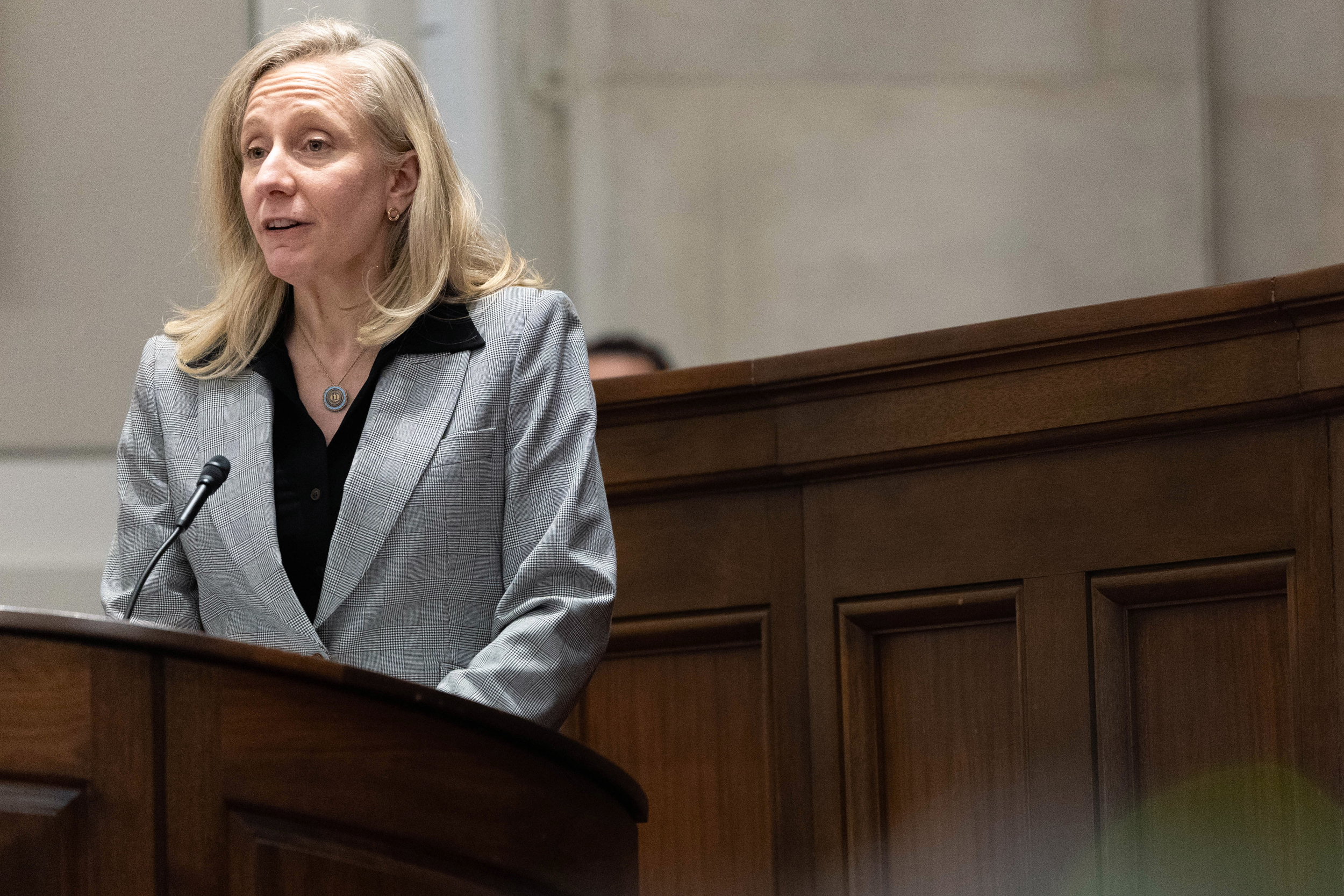
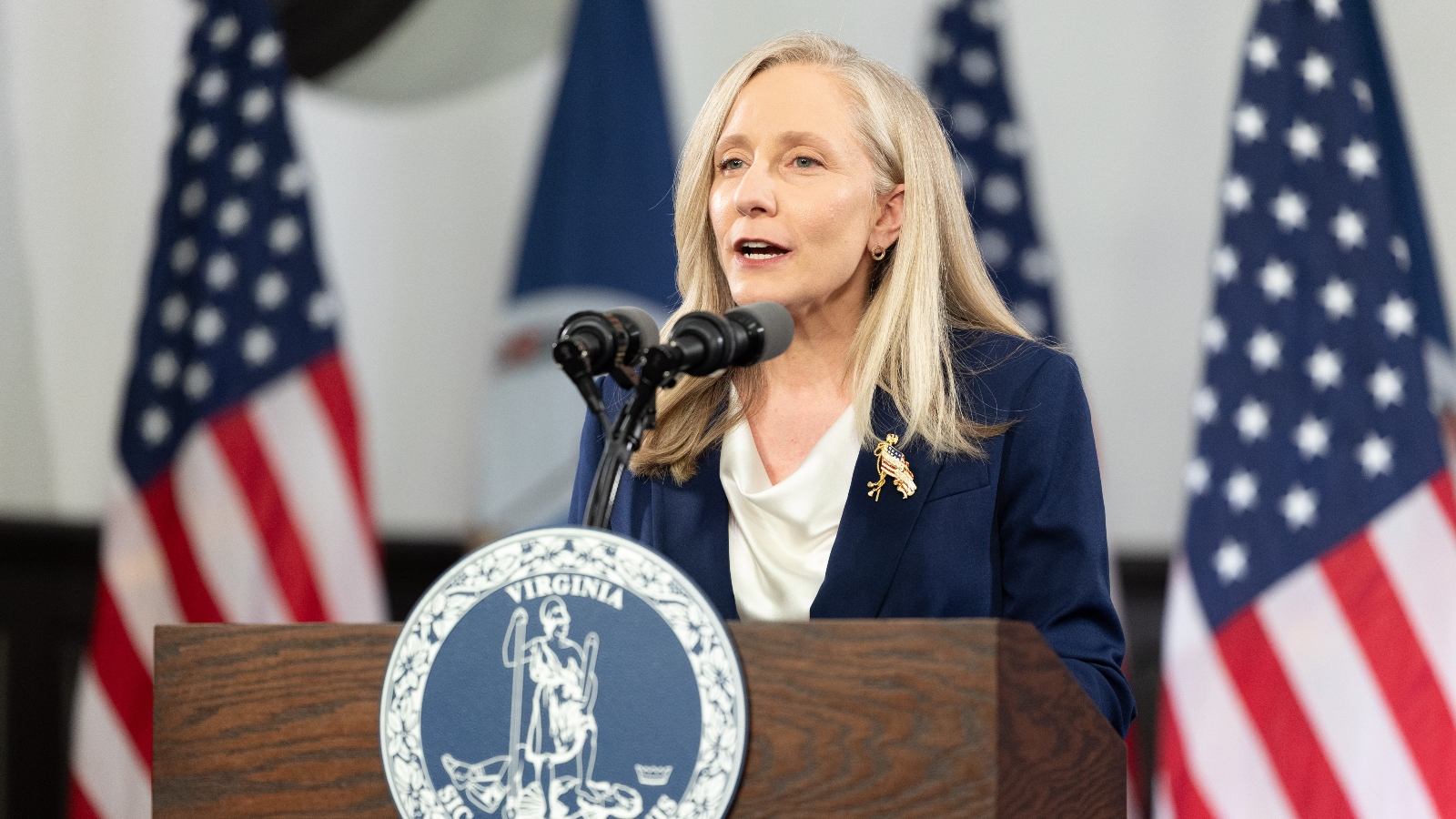
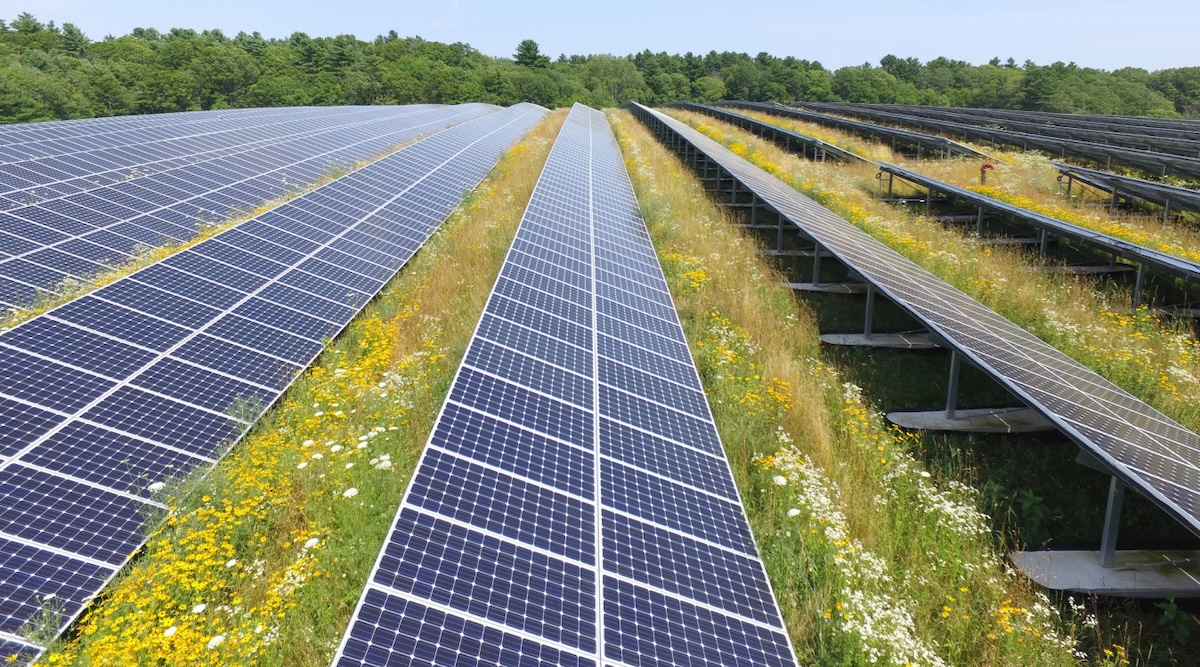
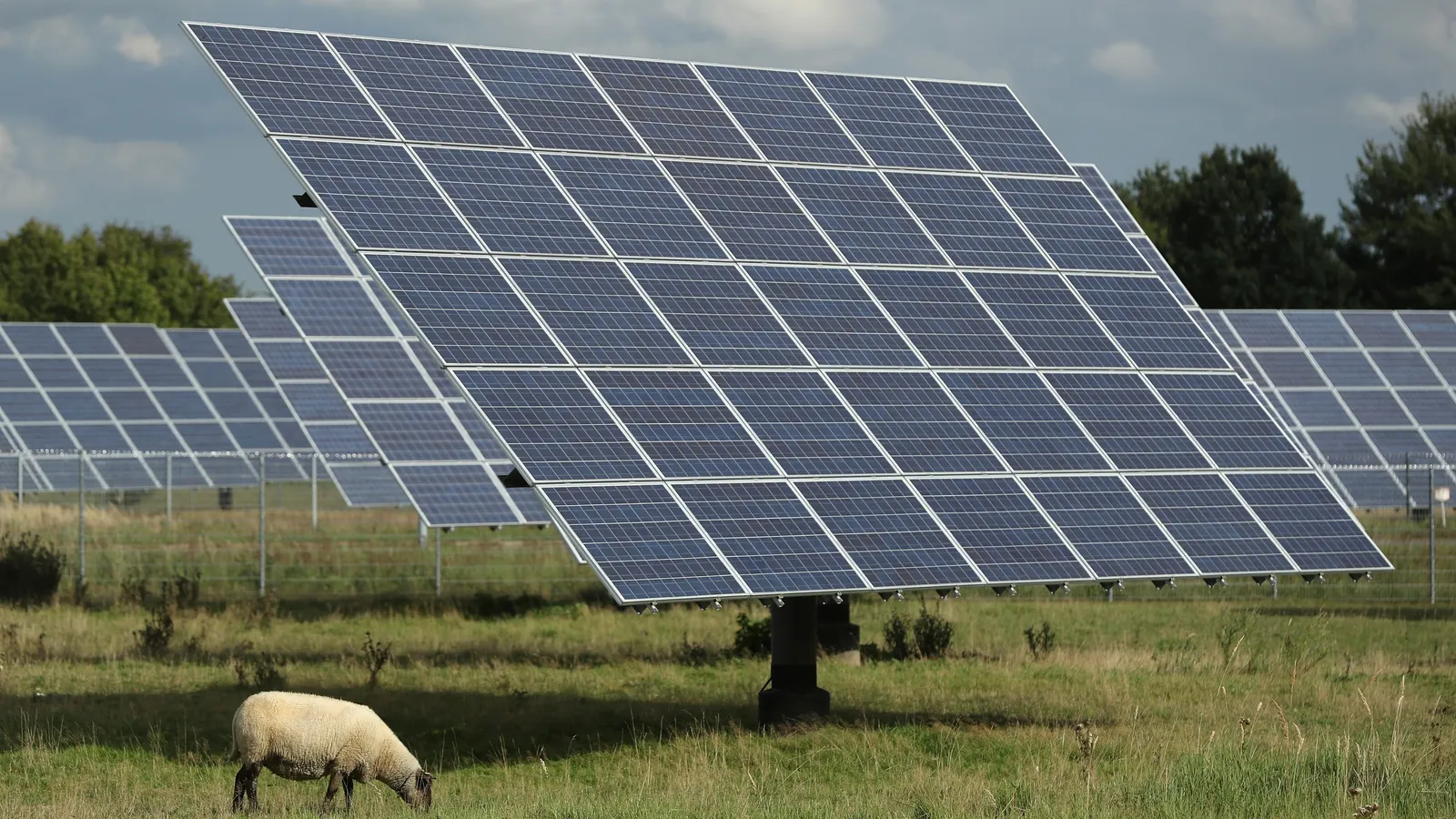
- Virginia Gov. Abigail Spanberger signed a bill June 17 codifying a state definition of agrivoltaics as 'intentional co-location of agricultural production and solar energy generation on the same land,' with proponents saying it will expand distributed generation and potentially revitalize fallow farmland.
- The final version dropped language creating a stakeholder advisory panel, leaving the Spanberger administration to convene the group by executive order to set qualifying-project criteria, monitoring standards, and potential incentives — a panel Glickman expects to meet this summer.
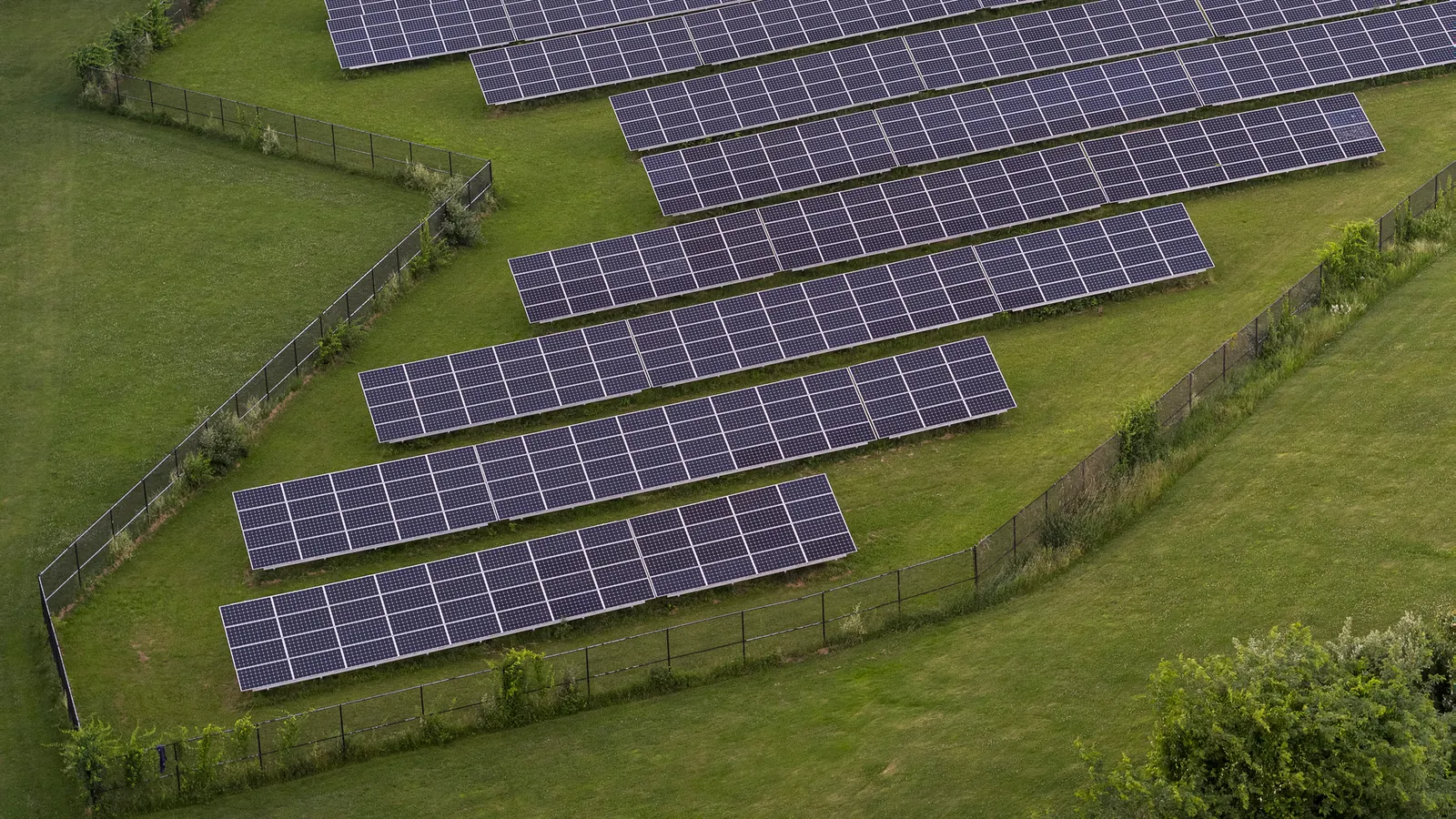
- NREL lists 13 agrivoltaic projects in Virginia, ranging from the 17-kWdc Roundabout Meadows in Loudoun County (built to generate roughly 130% of the farm's energy needs) to the 175-MWdc Skipjack Solar Center, the state's largest sheep-grazing project across 2,200 acres, and the 108-MWdc Foxhound Solar, a 580-acre pollinator habitat.
- The law requires qualifying projects to prioritize and sustain agricultural productivity, allow farming to continue over the project's life, remain part of a commercial agricultural operation, and include decommissioning provisions to protect the land's agricultural resources.
- Lauren Glickman, VP of policy and communications for Encore Renewable Energy, said Virginia could use agrivoltaics to revitalize fallow land, noting the 2022 USDA Census of Agriculture found the state lost 488,292 acres of farmland between 2017 and 2022.
- The prime-farmland tradeoff is already real: a Virginia Commonwealth University report found 41% (12,541 acres) of solar-disturbed land in the analysis sat on designated prime farmland, prompting 2022's HB206 to address small renewable projects' impacts on prime soils and forest lands.
Why it matters: Virginia's statute is the first state-level definition legally tethering solar siting to agricultural productivity requirements, creating a permit-ready path for dual-use projects on the 488,292 acres the state lost to farmland abandonment between 2017 and 2022 — while 41% of existing solar-disturbed acreage already sits on designated prime farmland, per a Virginia Commonwealth University analysis.
Ask SkimNews