Virginia bans sale of geolocation data — SkimNews

Get the Tech newsletter
Daily tech — startups, AI labs, chips, the launches that shape the next decade. Free.
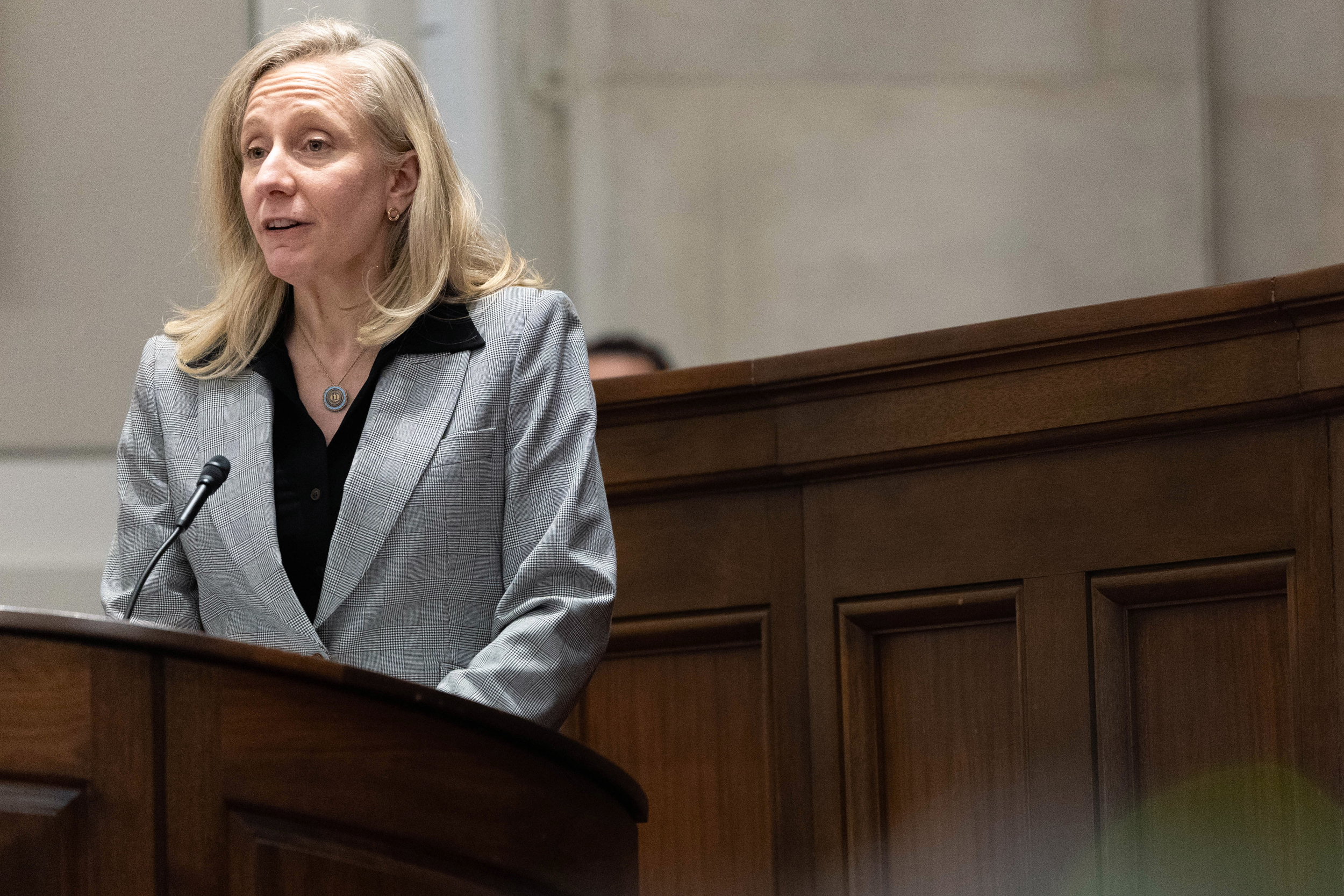
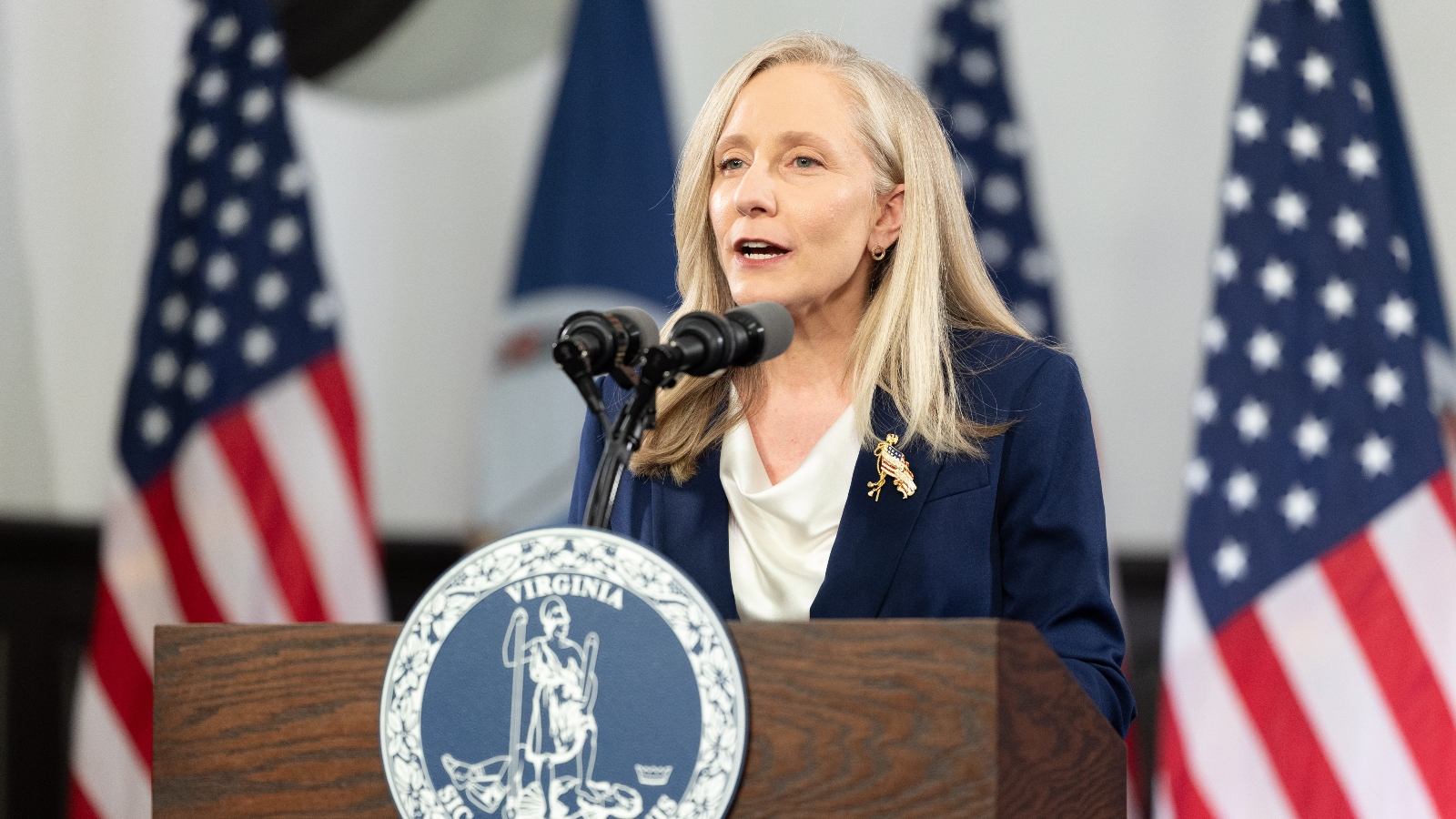
- Virginia Governor Abigail Spanberger signed S.B. 388 into law on April 13, 2026, amending the Virginia Consumer Data Protection Act to ban the sale of geolocation data, with the prohibition taking effect July 1, 2026.
- The VCDPA defines "sale" narrowly as "the exchange of personal data for monetary consideration by the controller to a third party," a tighter definition than peer states' privacy statutes.
- Maryland and Oregon previously enacted geolocation data sale bans but define "sale" more broadly to include "monetary or other valuable consideration," giving Virginia's version a narrower scope.
- California, Massachusetts, Vermont, and Washington State have proposed similar legislation, signaling a broader state-level trend against geolocation data sales.
- California Attorney General opened an investigation into the location data industry in March 2025, and the FTC reached a 2024 settlement banning a data broker from selling geolocation data, both cited as regulatory precursors.
Why it matters: Virginia becomes the third state to ban geolocation data sales but uses a narrower definition of "sale" limited to monetary consideration, potentially leaving non-monetary data exchanges uncovered and creating compliance friction for data brokers operating across Maryland, Oregon, and Virginia. The July 1, 2026 effective date gives controllers roughly 11 weeks to adjust contracts and data-handling practices before enforcement begins.
Ask SkimNews