Michigan Farmers Turn to Easements, Leases, Solar to Save Land — SkimNews
Get the Energy newsletter
Daily energy & climate — solar, EVs, oil, the policy fights and tech bets shaping the transition. Free.
- John Boyer sold the development rights on his 131 acres in northern Michigan to Little Traverse Conservancy through a conservation easement to keep the land from being subdivided or developed.
- Michigan's farmland acreage dropped roughly 3% from 2017 to 2022, with family-owned farmland declining by nearly 470,000 acres while leased farmland grew by about 30,000 acres.
- Michigan farmland was valued at approximately $6,800 per acre in 2024, a 7.8% year-over-year increase that outpaced the national average rise of 4.3%.
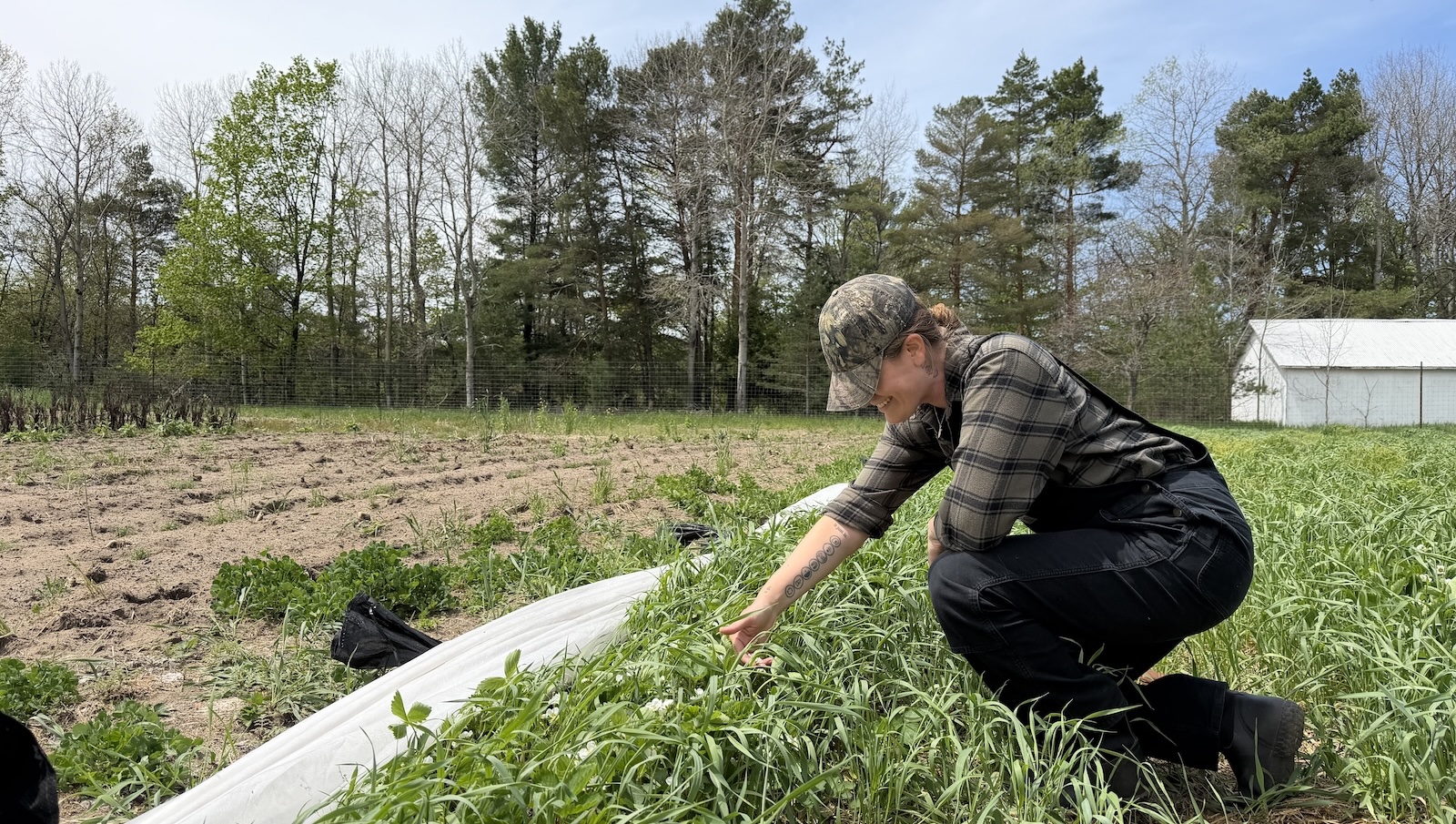
- Rebecca Carlson grew Overlook Orchards from 200 to 1,300 acres in eight years primarily by leasing from aging farmers without successors, as about 39% of Michigan's agricultural land is now leased.
- Little Traverse Conservancy holds easements on roughly 6,000 acres of farmland across five northern Michigan counties, part of a statewide increase of 22,000 protected acres between 2017 and 2022.
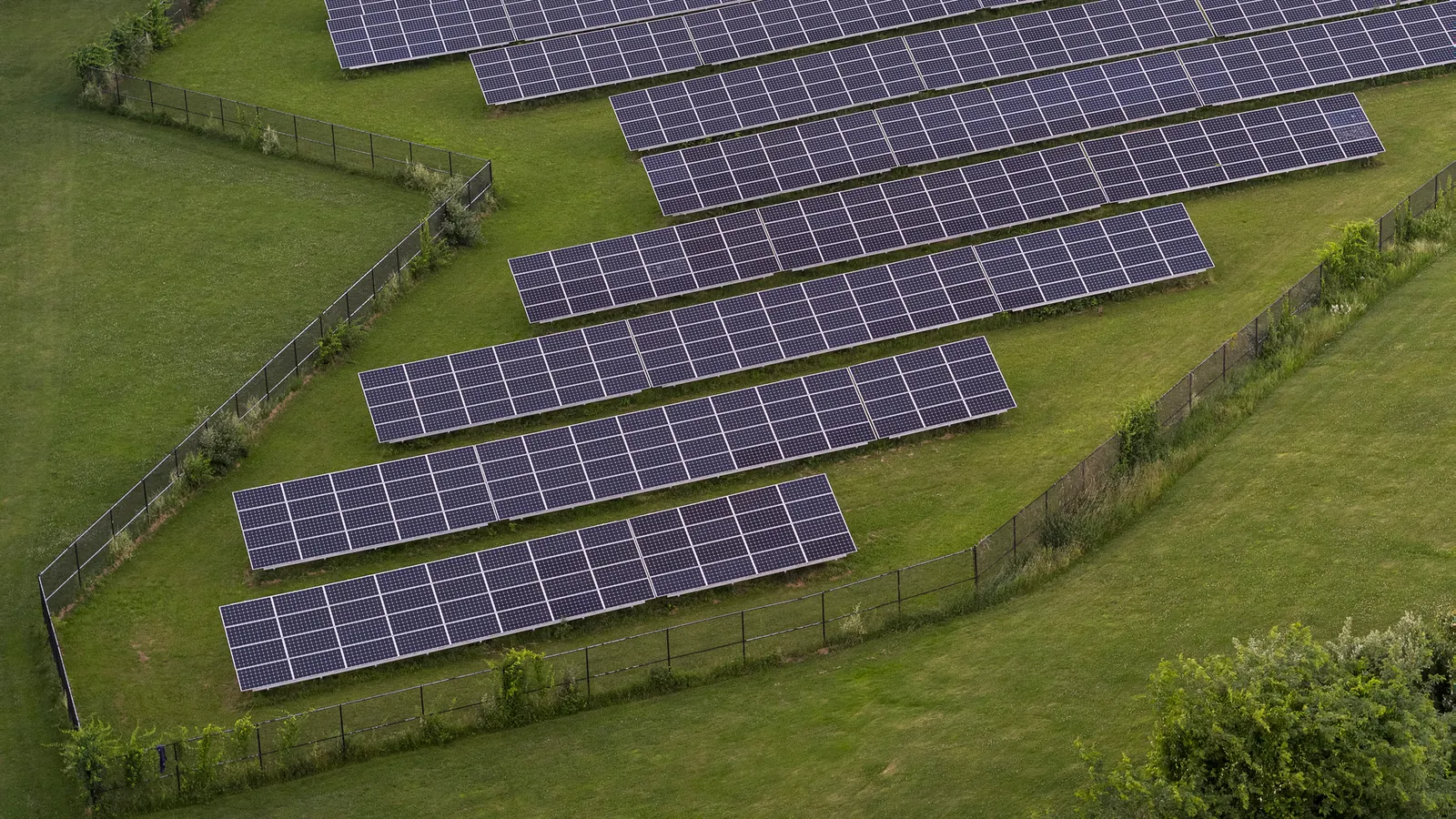
- Solar developers proposed 1,500 acres of panels in Wexford County, fueling local opposition even though solar accounts for just 0.09% of Michigan's USDA prime farmland.
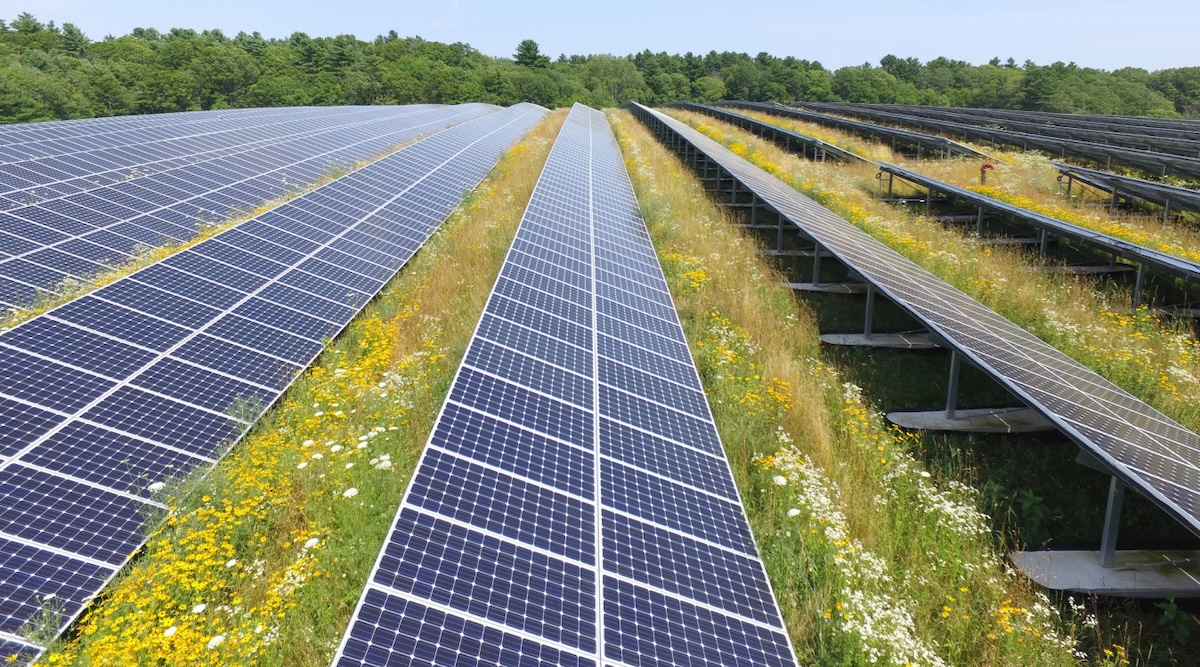
- Michigan State University Extension researchers are studying agrivoltaics — pairing solar panels with crops or livestock — as a way to keep family farms economically viable while generating power.
Why it matters: Michigan farmland values rose 7.8% in a single year, nearly double the national average, while family-owned acreage fell by 470,000 acres over five years. That math forces aging landowners to pick between selling to developers and locking ground into easements or leases, and solar developers are now eyeing the same parcels, putting conservation groups like Little Traverse Conservancy into direct competition with energy buyers.
Ask SkimNews