Scientists discover hidden liver switch that cuts harmful cholesterol — SkimNews
Get the Health newsletter
Daily health & science — research, biotech, public health, the studies worth knowing. Free.
- HELZ2 acts as a master regulator in liver cells by shortening the lifespan of APOB mRNA, thereby decreasing production of apoB proteins that form cholesterol‑carrying lipoproteins.
- UT Southwestern researchers published the finding in the American Heart Association journal Circulation, highlighting the protein’s role in lowering LDL cholesterol and triglycerides.
- Bruce Beutler’s large‑scale genetic screening system helped identify a gain‑of‑function mutation that boosts HELZ2 activity in mice.
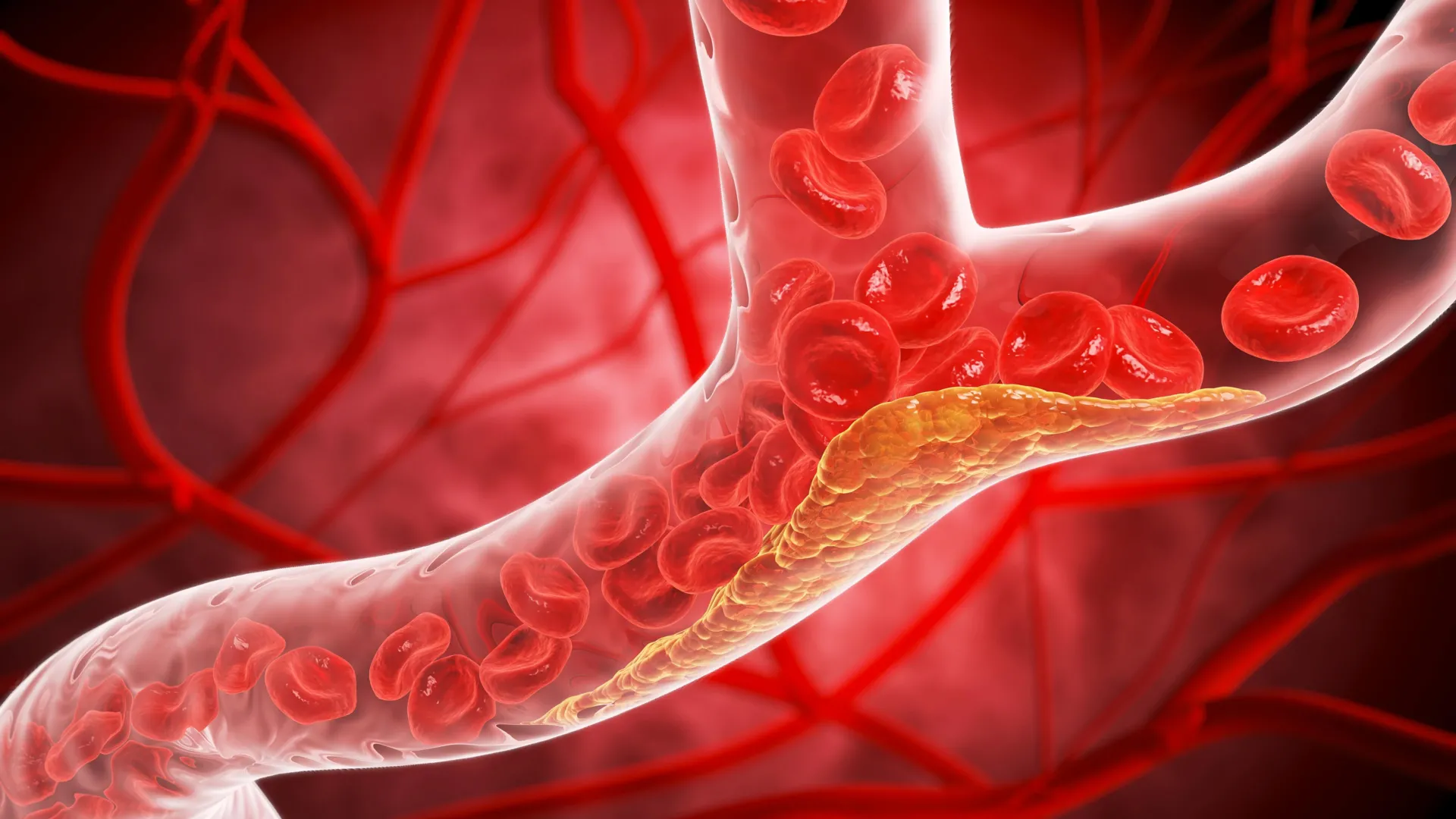
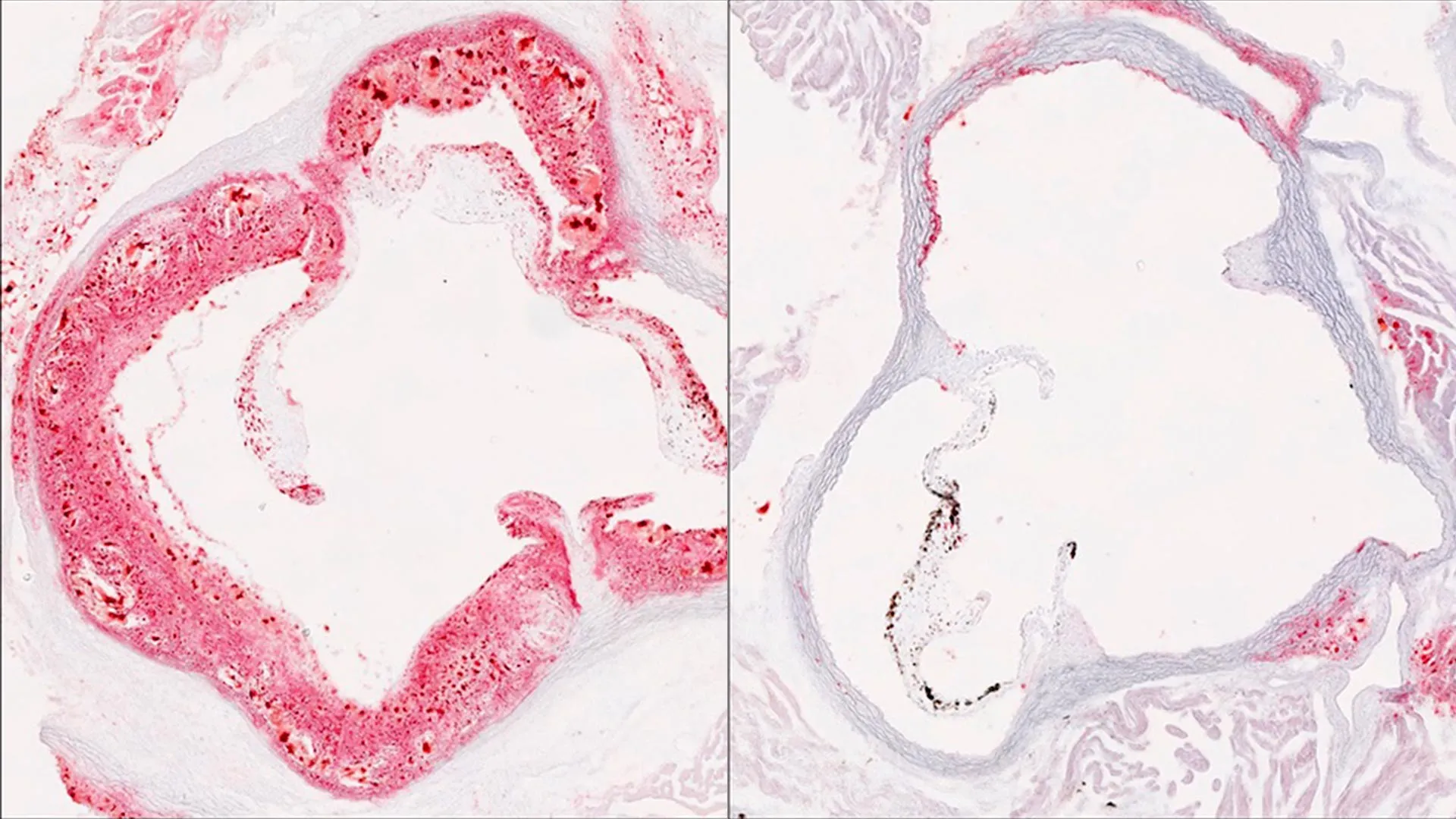
- Mice carrying the HELZ2‑enhancing mutation produced fewer lipoproteins, showed lower blood LDL and triglyceride levels, and were protected from atherosclerosis.
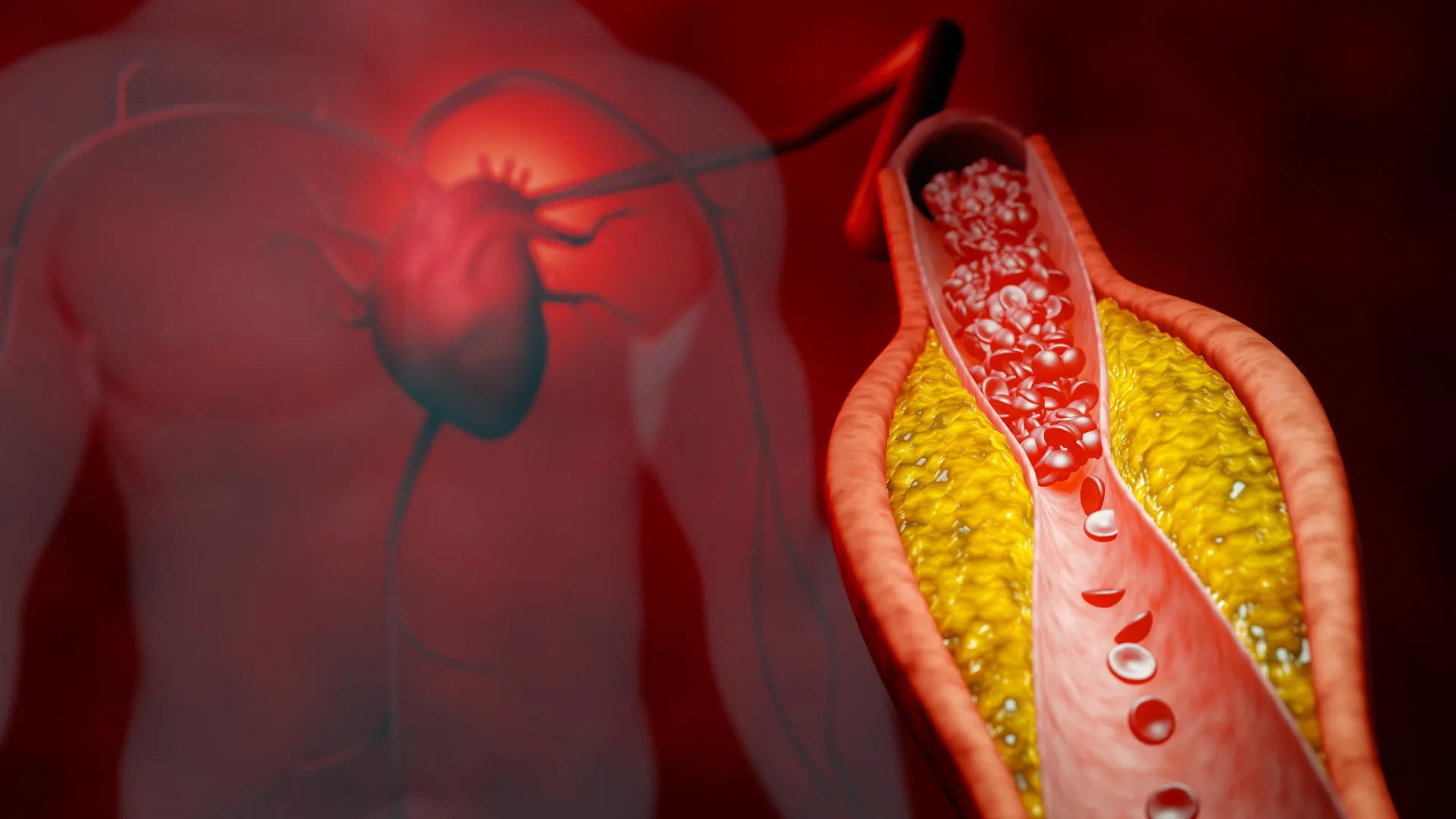
- The discovery points to a new therapeutic avenue for treating heart disease and fatty liver disease by targeting HELZ2 to curb harmful cholesterol production.
Why it matters: The discovery gives patients with high cholesterol a potential new drug target, and pharma companies a novel avenue for cardiovascular therapeutics, while potentially reducing healthcare costs tied to heart disease.
Ask SkimNews