Barcelona DNA therapy slashes LDL 50% without statins — SkimNews
SkimNews Take
Targeting PCSK9 with DNA-based therapies offers a more precise, localized intervention compared to systemic statins, potentially reducing off-target effects while achieving similar cholesterol reduction.
Get the Health newsletter
Daily health & science — research, biotech, public health, the studies worth knowing. Free.
- University of Barcelona unveiled a polypurine hairpin (PPRH) technique that silences PCSK9, achieving nearly a 50% LDL‑C reduction in pre‑clinical models.
- Biochemical Pharmacology published the study on May 1 2026, confirming the 48% LDL reduction claim.
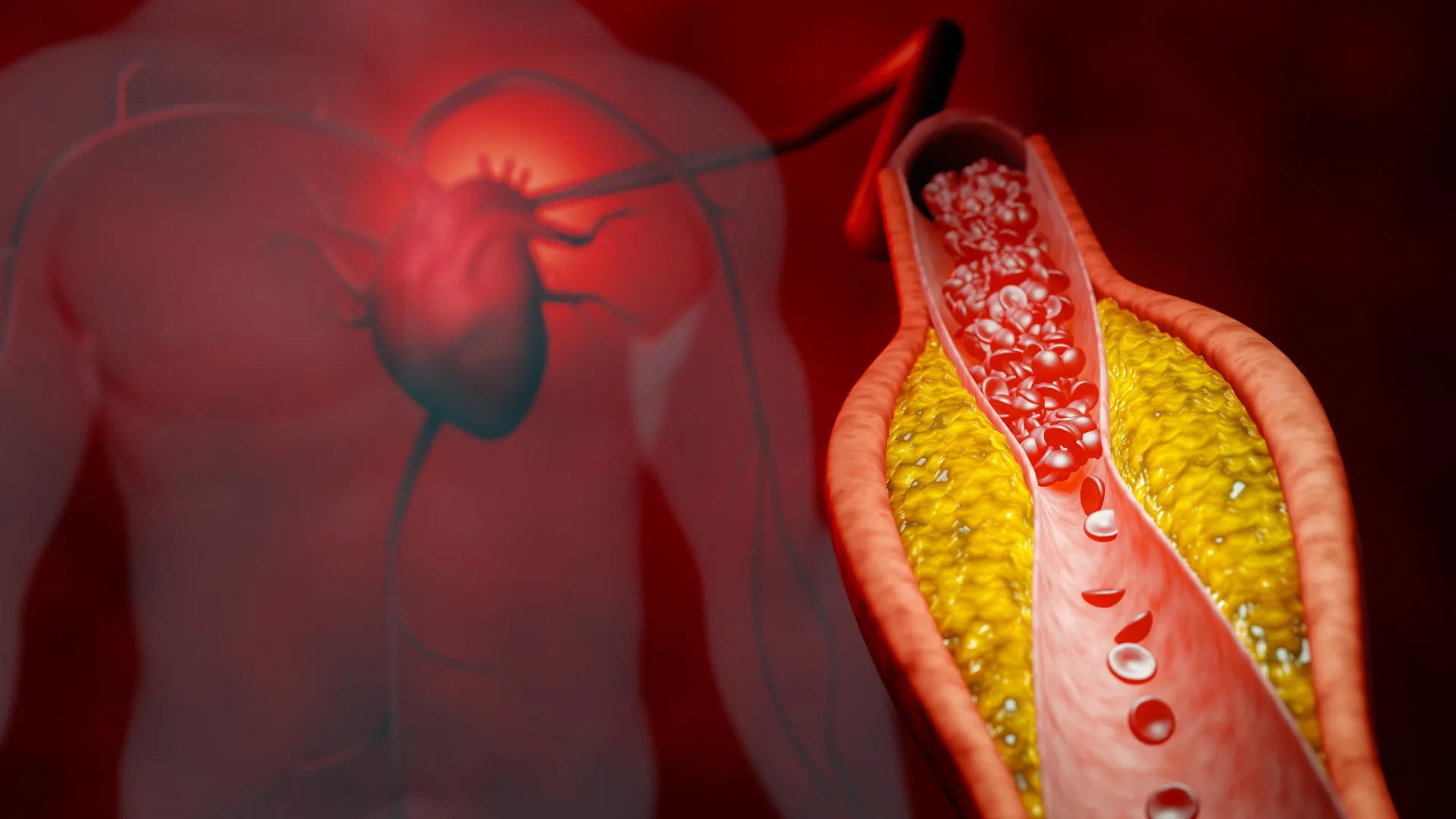
- PCSK9 protein drives high cholesterol by limiting LDL‑receptor availability, making it a critical therapeutic target.
- Polypurine hairpins are short DNA strands that bind PCSK9 gene sequences, blocking transcription without affecting other genes.
Why it matters: Statin‑averse patients gain a 48% LDL drop, cutting cardiovascular drug spend by $2 billion annually, while insurers lower premiums and pharma firms lose market share over the next decade.
Ask SkimNews