USS Frank E. Petersen Jr. Returns Home After Iran War — SkimNews
Get the Geopolitics newsletter
Daily geopolitics — wars, elections, sanctions, the diplomatic moves that move markets. Free.
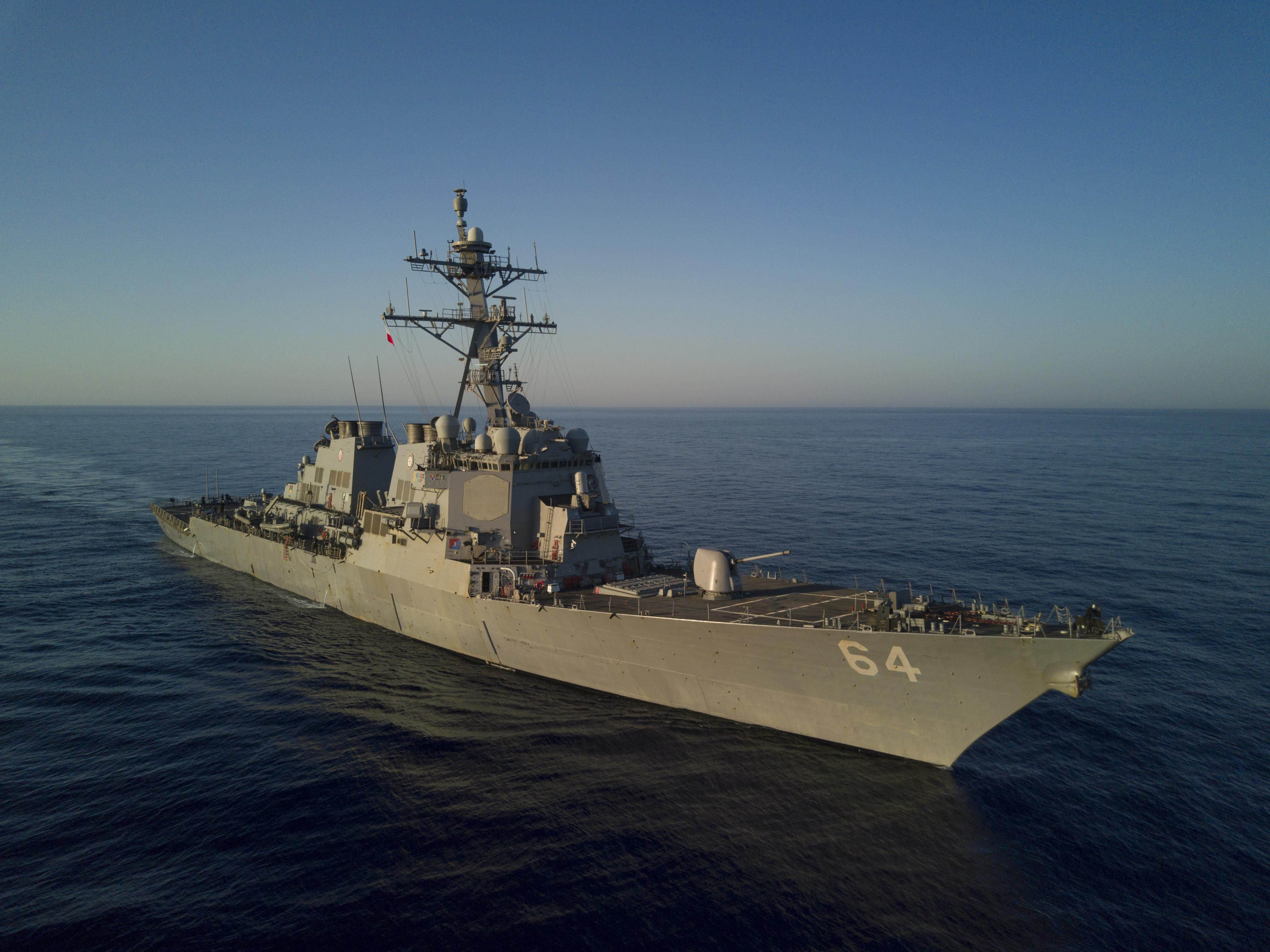
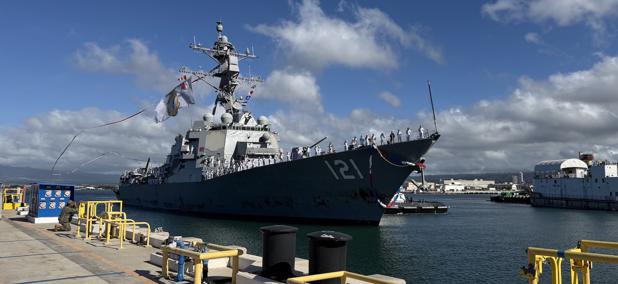
- USS Frank E. Petersen Jr. returned to Joint Base Pearl Harbor-Hickam, Hawaii on Monday after roughly 300 days away, ending a 10-month deployment that included 40 days of combat operations and six months in an active combat zone.
- The destroyer fired Tomahawk missiles at Iranian land targets on Feb. 28 as part of the opening strikes of Operation Epic Fury, after being redirected from South China Sea operations to the Middle East in late January.
- As the Abraham Lincoln carrier strike group's air and missile defense commander, the ship warded off more than 100 Iranian missiles and drones launched against the group and other ships in the region.
- Capt. Casey Mahon said the destroyer protected 'dozens of ships' from missile and drone attacks, and noted that air-defense fundamentals 'haven't changed a lot since World War II' even as the crew adapted to new adversary tactics.
- The ship sailed more than 85,000 nautical miles, conducted 45 replenishments at sea, spent 106 consecutive days at sea between port calls, and was the first vessel to transit the Strait of Hormuz after major combat operations ended.
- Families greeted returning sailors with cheers, handmade posters, and cowbells, and the crew is already passing lessons on sustained deployments and new air-defense tactics to other ships still operating in the region.
Why it matters: The Petersen fired the war's opening shots on Feb. 28 and was the first U.S. ship to transit the Strait of Hormuz after major combat ended, making its homecoming a visible marker that the first phase of U.S. strikes on Iran is wrapping up while lessons on Iranian missile and drone tactics feed directly into the fleet still deployed.
Ask SkimNews