Half of new Pentagon policy board tied to defense industry
Get the Geopolitics newsletter
Daily geopolitics — wars, elections, sanctions, the diplomatic moves that move markets. Free.
- The Pentagon's new Defense Policy Board includes at least 8 of 15 members with close ties to defense contractors or foreign governments, advising Secretary Hegseth, Deputy Secretary Feinberg, and Under Secretary Colby
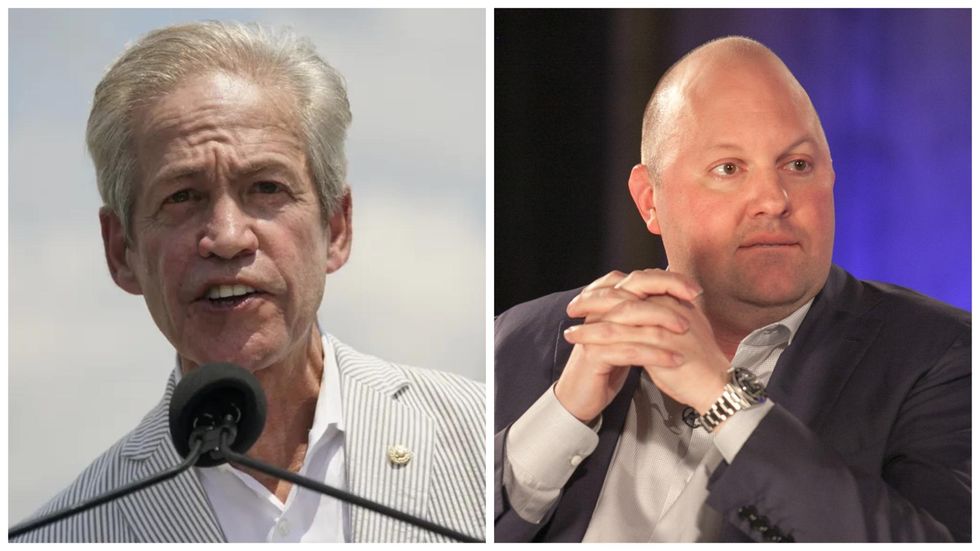
- Marc Andreessen, co-founder of a16z—which claims 18% of all U.S. venture capital in 2025—was the marquee pick; a16z backs military tech firms Anduril, Saronic, Skydio, and Shield AI, all with Pentagon contracts
- Vice-chair Norm Coleman, a former Minnesota senator and lobbyist for Saudi Arabia, helped rehabilitate the kingdom after Jamal Khashoggi's assassination and chairs the Republican Jewish Coalition, which shepherded Hegseth's confirmation
- Theo Wold, senior counselor at Palantir, joined the board; the U.S. military used Palantir's Maven system to identify and strike more than 3,000 targets in the first week of the war on Iran
- Board chair Robert Lighthizer hails from the America First Policy Institute, and four picks are Claremont Institute alumni—setting up a potential collision with the Silicon Valley and defense contractor bloc on the same committee
- Christopher Williams, who served on the Bush-era Defense Policy Board in 2003, returns to the committee; his consulting firm later picked up contracts with Boeing and Northrop Grumman
Why it matters: With 8 of 15 members holding defense industry or foreign government ties, the advisory body that shapes Hegseth's policy recommendations now embeds the very contractors who profit from Pentagon decisions—Palantir's Maven system was used against 3,000+ Iran targets, and a16z backs four military tech firms with Pentagon contracts. The board's America First faction, including Lighthizer and Claremont-linked members, could clash with that contractor bloc when their interests diverge.