Transit deserts push 25 M Americans to pay more for food — SkimNews

Get the Energy newsletter
Daily energy & climate — solar, EVs, oil, the policy fights and tech bets shaping the transition. Free.
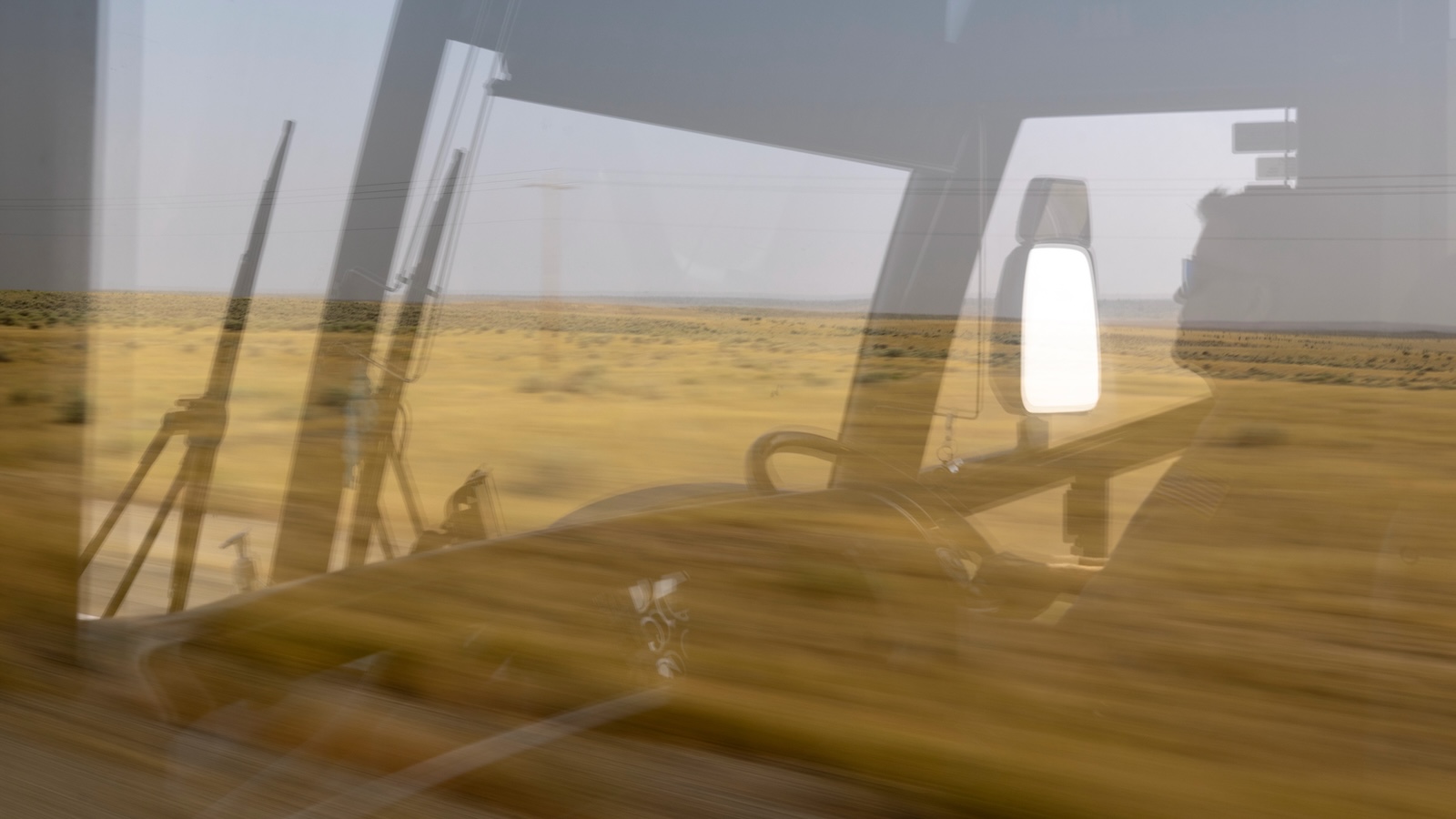
- Zen’Yari Winters spends three hours commuting to her pet shop job in East Memphis because the Memphis Area Transit Authority bus is often late or absent.
- Memphis‑Hollywood area lost its only full‑service grocery store in 2025, forcing residents like Winters to travel 13 miles by two buses to Walmart or pay $24 for an Uber.
- 16 million Americans lack a car, and almost 25 million people live in “transit deserts” where public‑transportation supply is lower than demand.
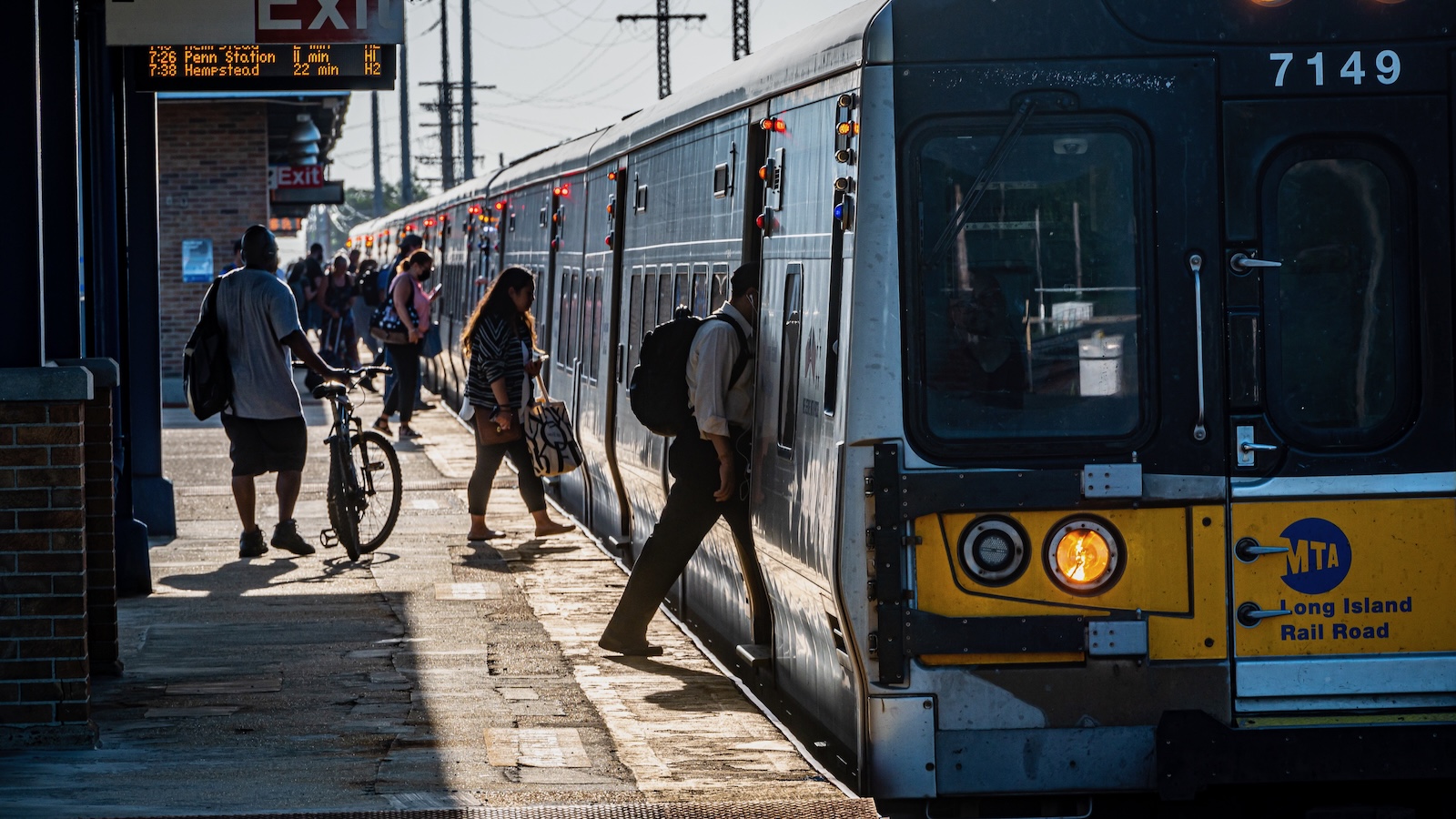
- American Public Transportation Association warns of a “transit fiscal cliff” as $70 billion in Biden‑era pandemic relief funds expire, prompting cities such as Memphis, Providence, and Duluth to cut bus routes and frequency.
- University of New Hampshire study finds that adding one bus per 10,000 city residents could modestly reduce household food insecurity.
- MyCityRides a privately funded non‑profit, offers scooter‑training and a $150‑per‑month scooter purchase plan to help Memphis residents like Winters overcome unreliable bus service.
Why it matters: The expiration of $70 billion pandemic transit aid compels agencies to slash routes, which hurts low‑income residents without cars who must spend extra cash on delivery fees or costly rides, while programs like MyCityRides provide a modest, albeit limited, lifeline through affordable scooters.
Ask SkimNews