Nebraska Wildfires Scorch 642k Acres, Threaten Cattle — SkimNews

Get the Energy newsletter
Daily energy & climate — solar, EVs, oil, the policy fights and tech bets shaping the transition. Free.
- Nebraska logged the largest blaze ever recorded when the Morrill fire burned over 642,000 acres (260,000 hectares) before being contained in March 2026.
- Dr Dirac Twidwell warned that a cycle of extreme conditions—strong summer storms, warm winter, low snow cover—has stacked the deck for higher ignition probability in the region.
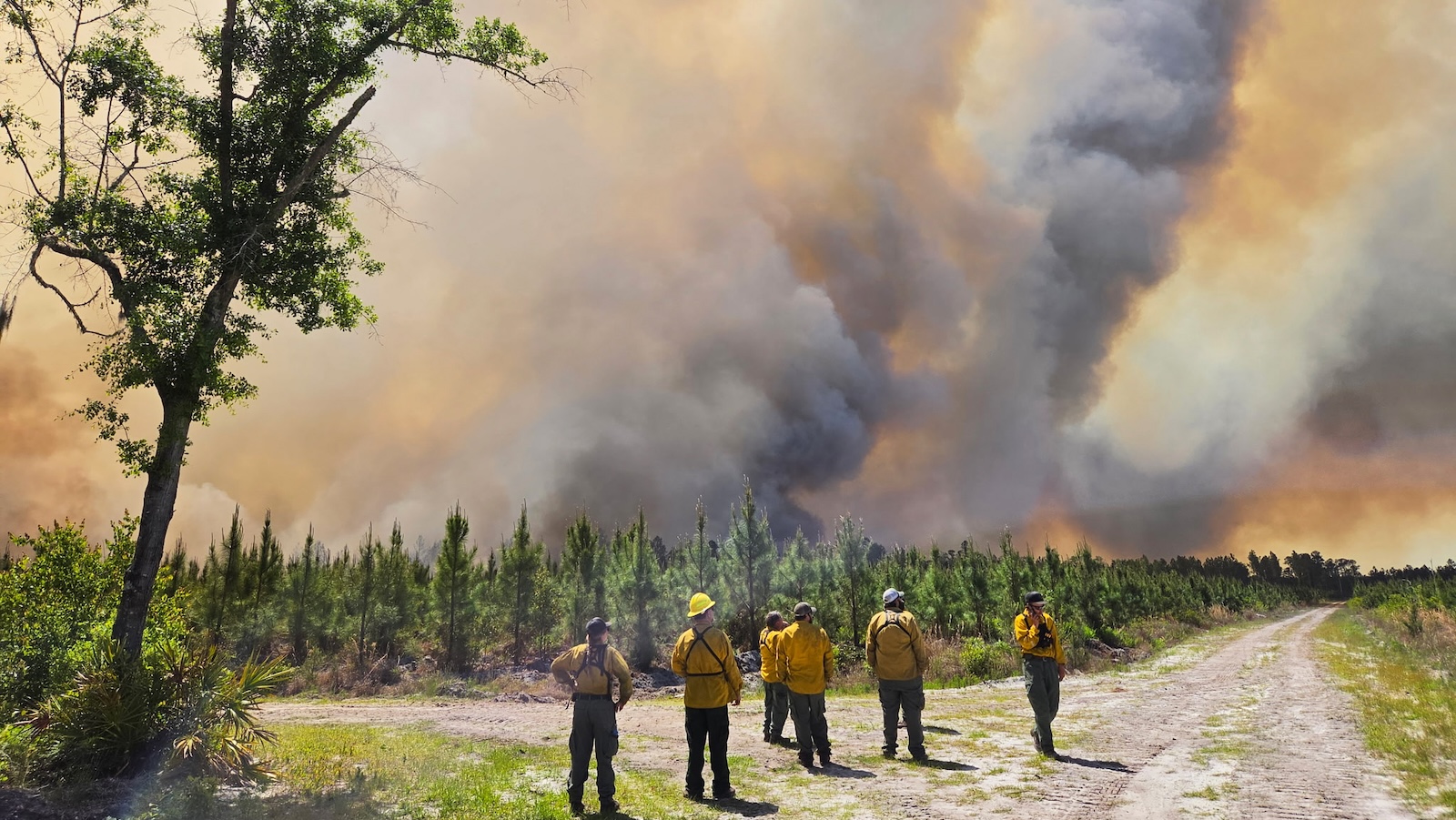
- Collin Thompson described the 130,000‑acre Cottonwood fire as leaving “nothing but tree skeletons” and a war‑zone‑like landscape after it ripped through his ranch.
- Homer Buell noted that the winter of 2025‑2026 was the driest he’s seen, and warned that loss of feed on burned lands could have severe secondary effects for cattle ranchers.
- Dr Victoria Donovan explained that high‑intensity grassland fires can restore ecosystems by curbing woody shrub encroachment, a benefit rarely highlighted in coverage focused on devastation.
- Ranchers have received donated hay and volunteer trucks from across the country, yet grazing on burned ranges is unlikely this year.
- U.S. Drought Monitor classified more than 40% of Nebraska as “extreme drought” and roughly half of the High Plains as “severe drought” as of early April 2026.
Why it matters: Ranchers lose feed and livestock, while the fire’s ecological reset may benefit grassland health; the drought‑driven blaze underscores the vulnerability of the nation’s beef supply chain, prompting emergency aid and highlighting the need for adaptive land‑management and may force policy shifts toward prescribed burns and revised grazing practices.
Ask SkimNews