PKK and Turkey Peace Talks Include Environmental Restoration — SkimNews
Get the Energy newsletter
Daily energy & climate — solar, EVs, oil, the policy fights and tech bets shaping the transition. Free.
- PKK fighters symbolically surrendered weapons in a July ceremony, marking a step toward ending the decades-long conflict with Turkey.
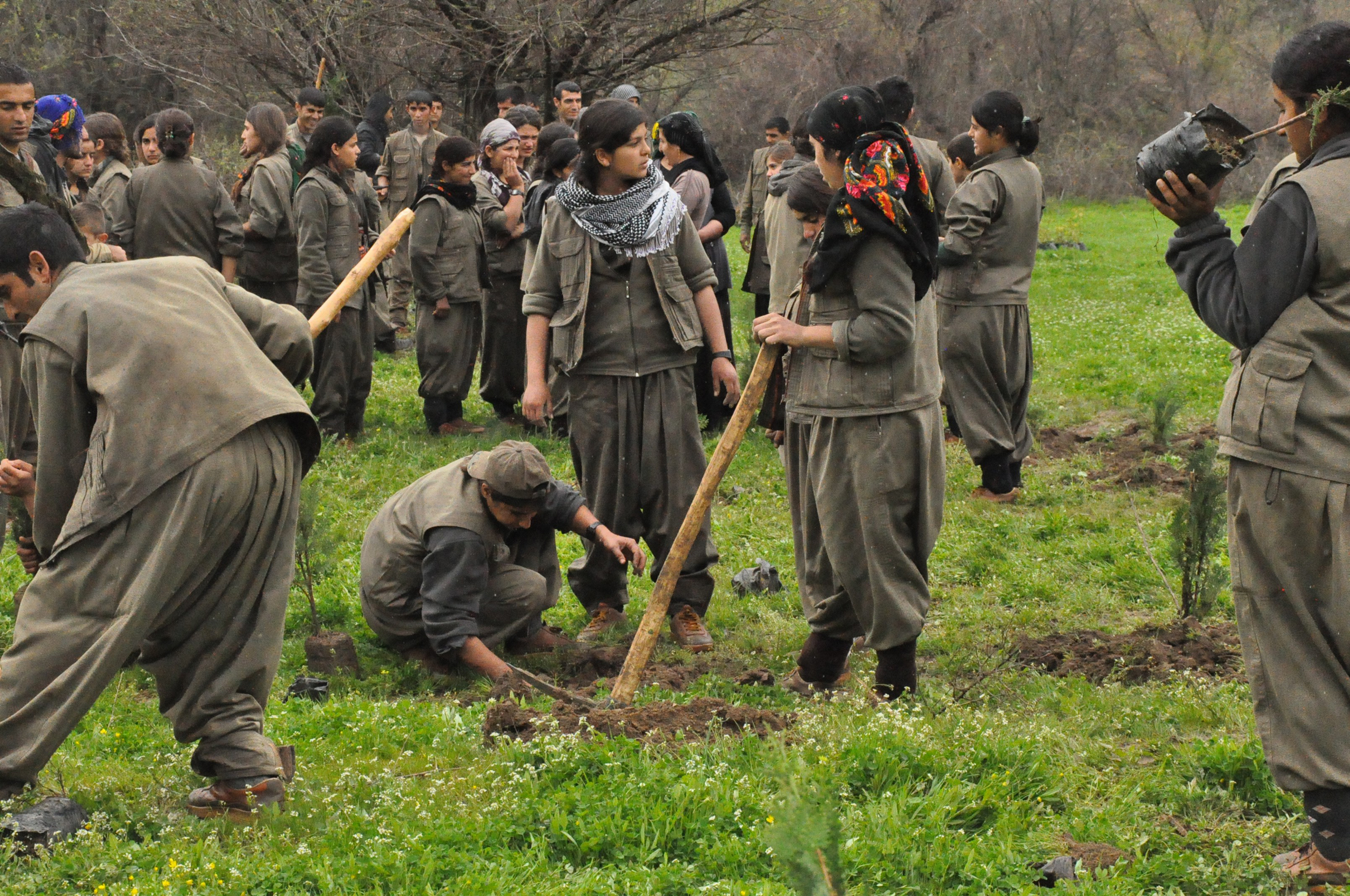
- United Nations University’s Institute for Water, Environment and Health researchers propose 'green transitional justice' as part of the peace process, advocating environmental restoration as a foundation for lasting peace.
- Pinar Dinc led a report urging that clean air, safe water, and fertile soil be recognized as fundamental human rights in any peace agreement, with protection for environmental defenders.
- Kaveh Madani emphasized that local communities most affected by the conflict—where over 3,000 villages were destroyed and up to 378,000 displaced—should lead restoration efforts to foster trust and cultural continuity.
- Global Environment Facility and Green Climate Fund are identified as potential funding sources for ecological repair, alongside public-private partnerships and 'peace bonds'.
- Nazan Üstündağ cautioned that formal restoration clauses are unlikely in any near-term agreement, though the peace process may open space for non-armed advocacy.
Why it matters: Over 378,000 displaced people and widespread environmental destruction mean that peace without restoration risks repeating past failures; centering affected communities in rebuilding could shift power dynamics and create durable stability where past deals collapsed.
Ask SkimNews