Washington Pulls Back From Russia-Ukraine Mediation — SkimNews

Get the Geopolitics newsletter
Daily geopolitics — wars, elections, sanctions, the diplomatic moves that move markets. Free.
- Rubio said on May 22 in India that the Trump administration would step back from Russia-Ukraine mediation, telling reporters: "we sensed that there wasn't a lot of progress being made."
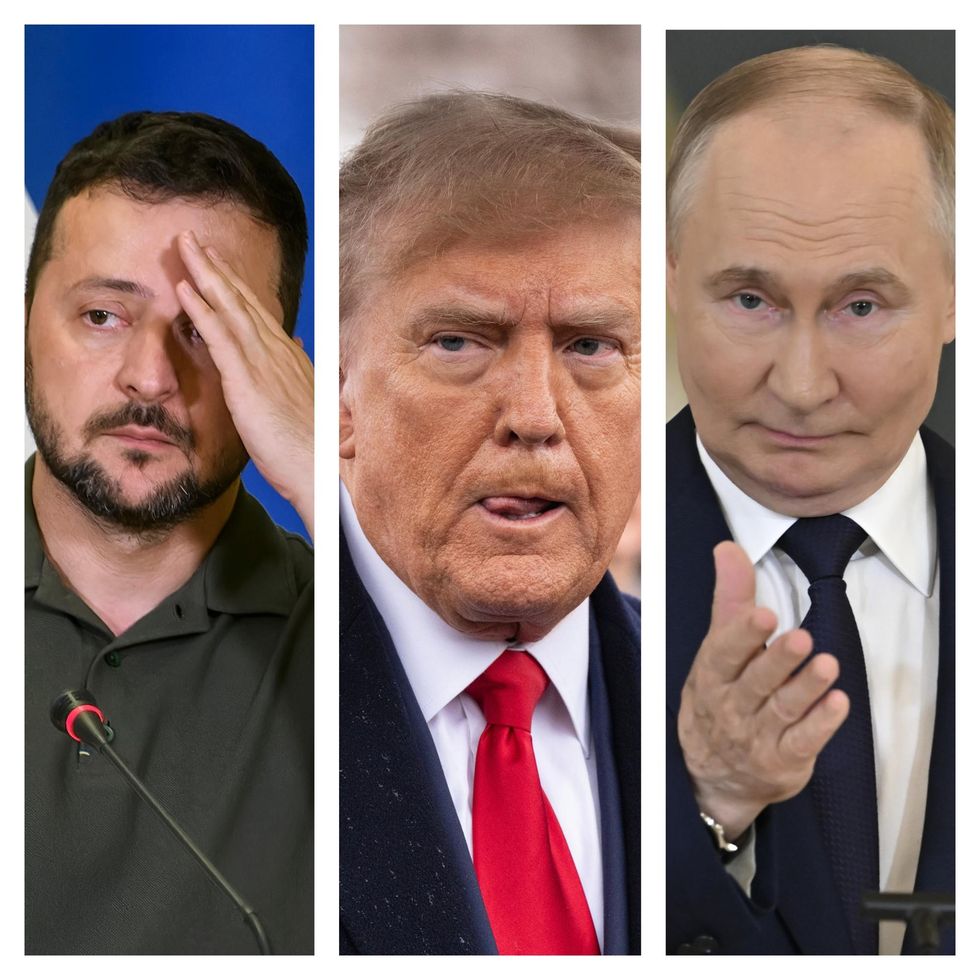
- Trump stated in February 2025 that Ukraine could not expect to recover all its territory or join NATO, embracing key Russian demands before negotiations even began, and later called Zelensky a "dictator."
- U.S. diplomats joined Russia, North Korea, and Iran in opposing a UN General Assembly resolution that condemned Russia as the aggressor in the war, a move the author says must have "delighted the Kremlin."
- Witkoff has visited Moscow eight times as Trump's chief negotiator but has never traveled to Kyiv, and in a March 2025 interview implied the four Russian-annexed Ukrainian regions should remain Russian because residents spoke Russian.
- A 28-point peace plan developed by Witkoff with his Russian counterpart in November was endorsed by the White House but went down so badly with Ukrainians, Europeans, and some Republicans that Rubio took charge and replaced it.
- Witkoff said in March 2026, when Moscow denied providing Iran intelligence support against the U.S., that "we can take them at their word," and reportedly coached a Putin advisor on how to pitch Trump.
Why it matters: With the U.S. stepping back, the diplomatic ball shifts to European and other parties who must decide whether to sustain support for Kyiv or press for a deal on Russia's terms. The mediation's collapse was foreseeable, the author argues, because Trump embraced key Russian demands in February 2025 and his chief envoy Witkoff operated with what the piece calls a "pro-Russia bias," never once visiting Kyiv across eight Moscow trips.
Ask SkimNews