Treasury sanctioned foreign critics of Trump administration — SkimNews
Get the Geopolitics newsletter
Daily geopolitics — wars, elections, sanctions, the diplomatic moves that move markets. Free.
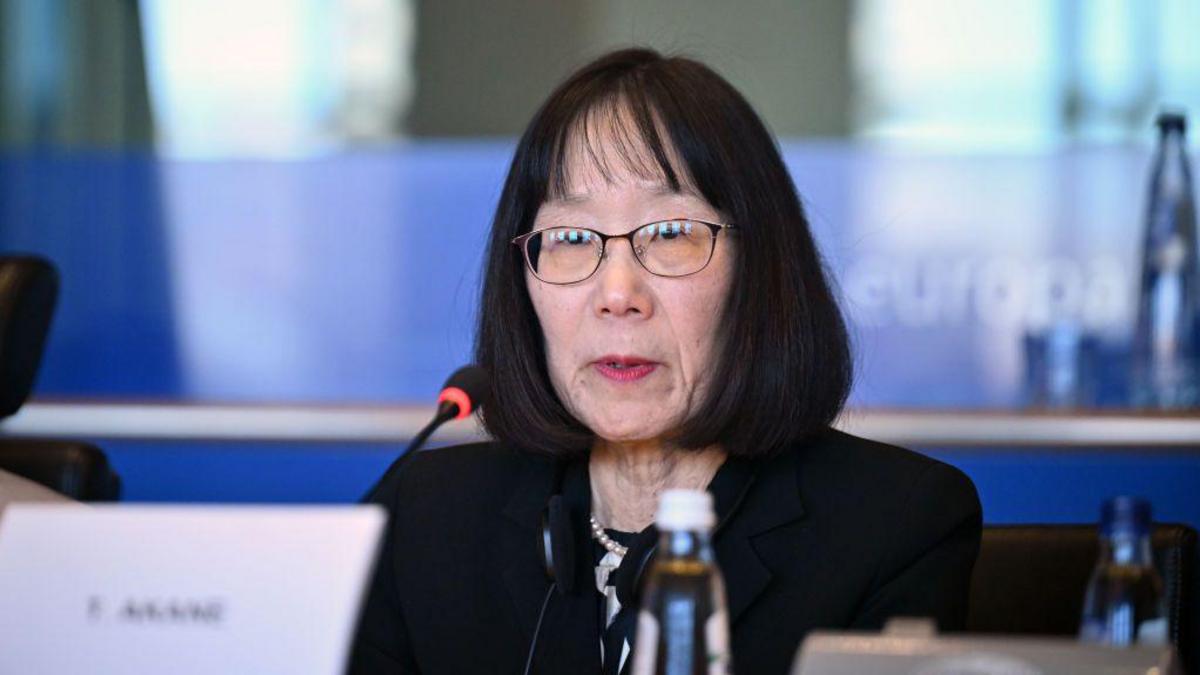
- Treasury Secretary Scott Bessent sanctioned 11 International Criminal Court staffers by December after the ICC issued arrest warrants for Israeli Prime Minister Benjamin Netanyahu — the first time any U.S. president has sanctioned ICC employees outside of two Trump first-term designations in 2020.
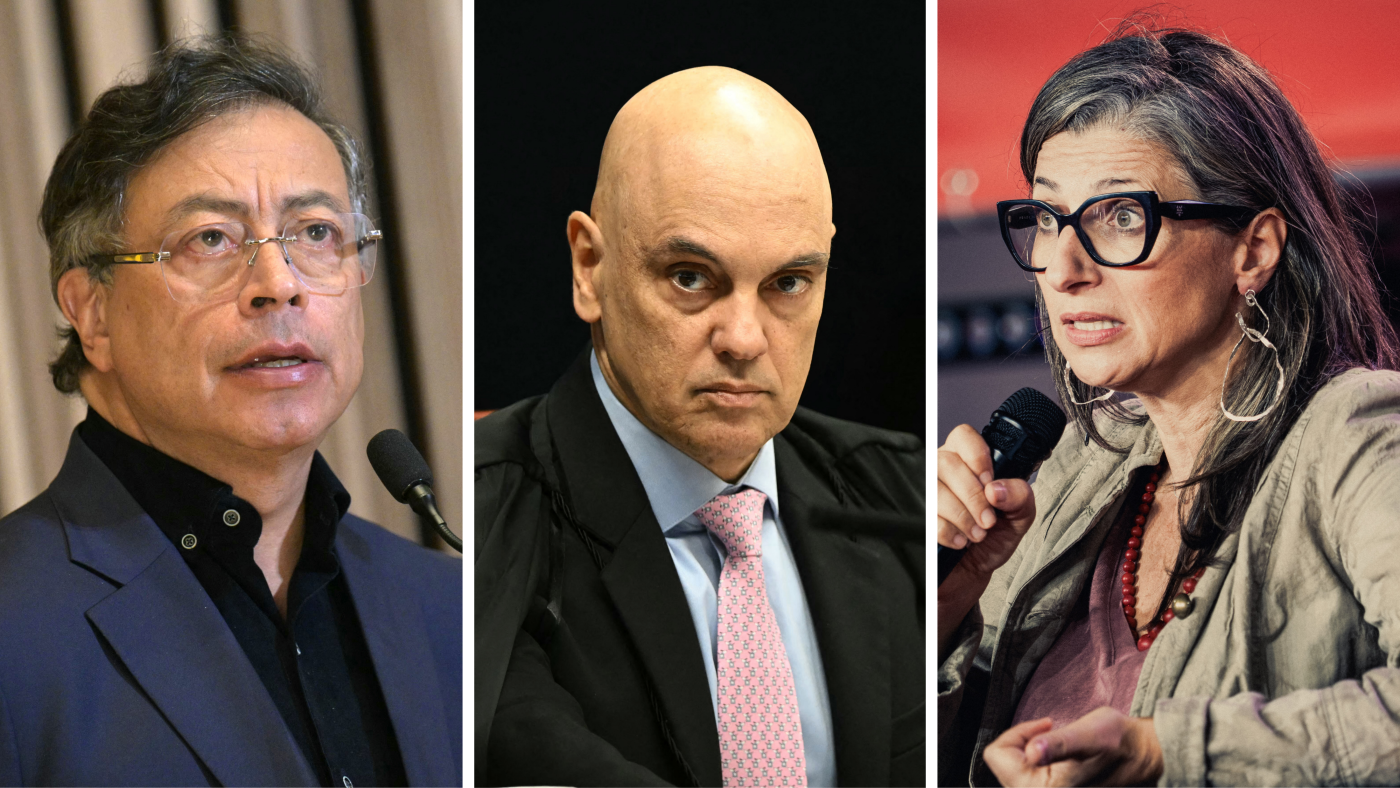
- Treasury sanctioned U.N. human rights official Francesca Albanese in July after she characterized Israeli aggression against Palestinians as genocide, prompting her family to file a federal lawsuit in February 2026 alleging First, Fourth, and Fifth Amendment violations by Trump, Bessent and other officials.
- Treasury used Global Magnitsky Sanctions to designate Brazilian Supreme Court Justice Alexandre de Moraes as his court weighed coup charges against former President Jair Bolsonaro, then sanctioned De Moraes' wife after Bolsonaro was convicted in September — and lifted both designations in December.
- Treasury sanctioned Colombian President Gustavo Petro on Oct. 24, weeks after he accused the U.S. of violating international law by executing people on boats in the Caribbean; Petro called the official drug-proliferation justification a lie and 'typical of an oppressive regime.'
- Trump told Bessent to 'cut off all dealings with Spain' on March 3 after Spanish Prime Minister Pedro Sánchez condemned U.S. attacks on Iran as illegal, the kind of direct retaliation former officials said marks a break from the Treasury's historical, evidence-based approach.
- Former officials including ex-Treasury Secretary Jacob Lew and former ambassador to Hungary David Pressman said prior sanctions designations required 'irreproachable' facts and operated independent of personal interests — a standard they say this administration has abandoned.
Why it matters: Sanctions are among the U.S. government's most powerful economic weapons, freezing assets and cutting off access to U.S. financial markets. By redirecting them at ICC judges, a U.N. human rights investigator and two sitting heads of state, the Treasury Department risks eroding the credibility of those programs and provoking legal pushback — Albanese's February 2026 federal lawsuit is already testing that boundary in court.
Ask SkimNews