US Fed raises rates to tackle 'too high' inflation in move sure to rile Trump — SkimNews
Get the Finance newsletter
Daily finance — markets, central banks, M&A, the prints that move money. Free.
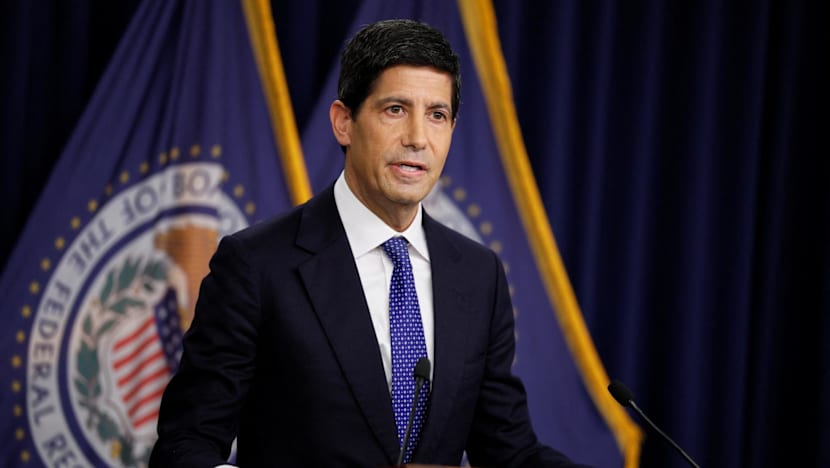
- Federal Reserve raised rates 25 basis points to 3.75-4.00% on September 16 — its first hike since January — with Chair Kevin Warsh calling inflation "too high" for "too long" and calling the decision "serious."
- Fed's Summary of Economic Projections showed at least 12 of 18 participating policymakers expect one more rate hike before year-end, with four expecting two more; PCE inflation forecast raised to 3.7% and GDP growth to 2.3%.
- August CPI came in at 3.4%, unchanged from July but well above the Fed's 2% target, ending the Fed's January holding pattern as it waited to gauge Iran war energy shocks and tariff impacts.
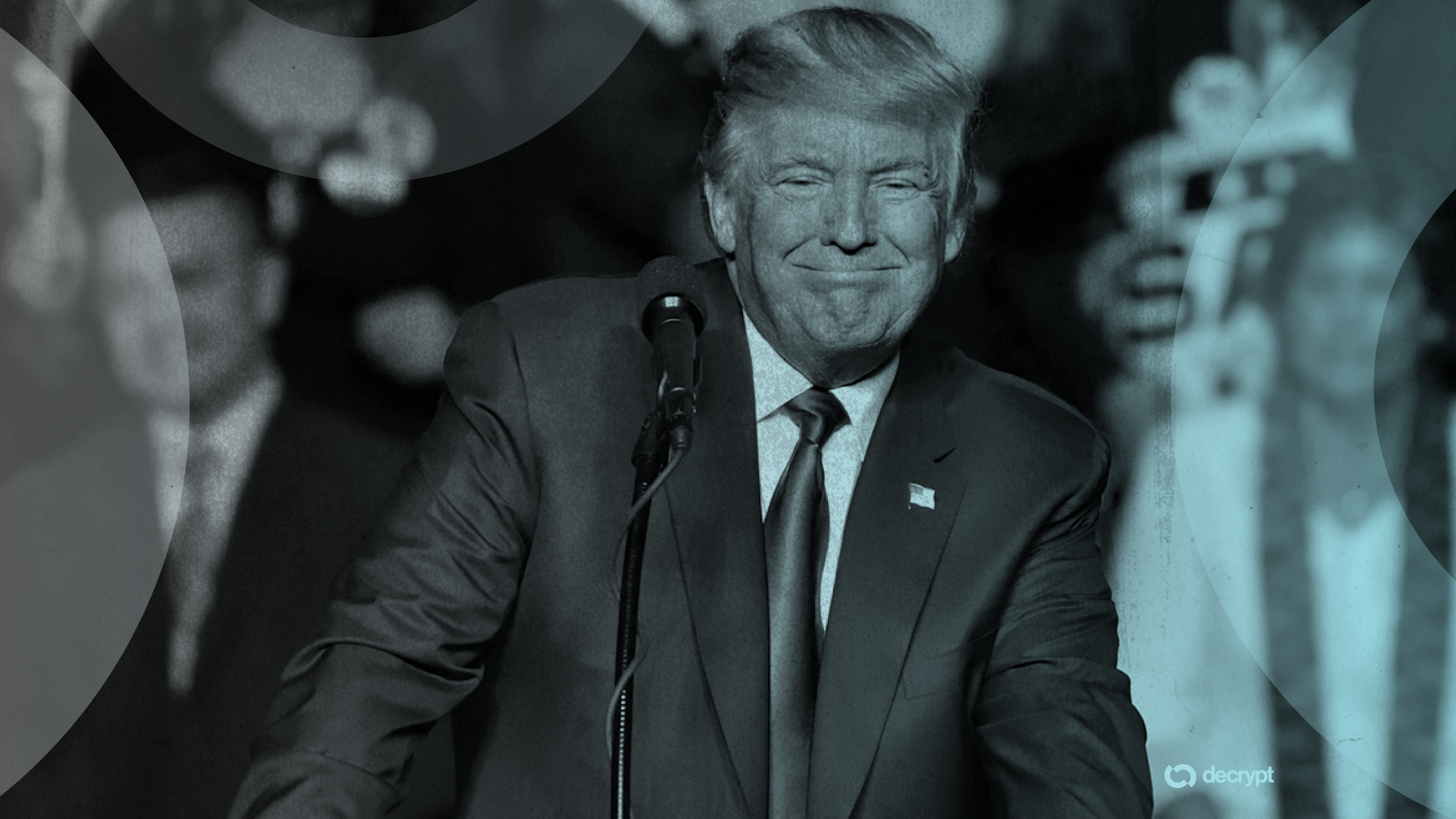
- White House spokesperson Kush Desai called the decision "rather unfortunate" and reiterated Trump's lower-rates demand; Trump has attempted to fire a Fed Governor and launched a criminal probe against Warsh's predecessor.
- Markets reacted with US stocks declining and 10-year Treasury yields surging past the 5% threshold on long-term inflation uncertainty.
- Kevin Warsh, appointed by Trump after a Senate confirmation where Democrats called him a "sock puppet" for Trump, withheld his SEP contribution — the projection included only 18 policymakers, suggesting he declined to participate again.
Why it matters: The Fed's first hike since 2023 directly contradicts Trump's public demands for cuts and his personal attacks on Fed independence, even though he appointed Warsh himself — putting the central bank in open conflict with the White House as Republicans face midterm elections where economic issues dominate voter concerns and borrowing costs tick up for households.
Ask SkimNews