Colombian activists vow to resist far-right fossil fuel push — SkimNews

SkimNews Take
A sub-1% victory margin means the incoming president's fossil fuel reversal will face organized resistance from the outset, potentially tying his energy agenda to a fragile political mandate rather than a settled consensus.
Get the Energy newsletter
Daily energy & climate — solar, EVs, oil, the policy fights and tech bets shaping the transition. Free.
- Abelardo de la Espriella, a far-right lawyer, won Colombia's presidency on June 21 by less than 1% — the narrowest margin in the country's history — pledging to exploit fossil fuels to the fullest after four years under leftist Gustavo Petro
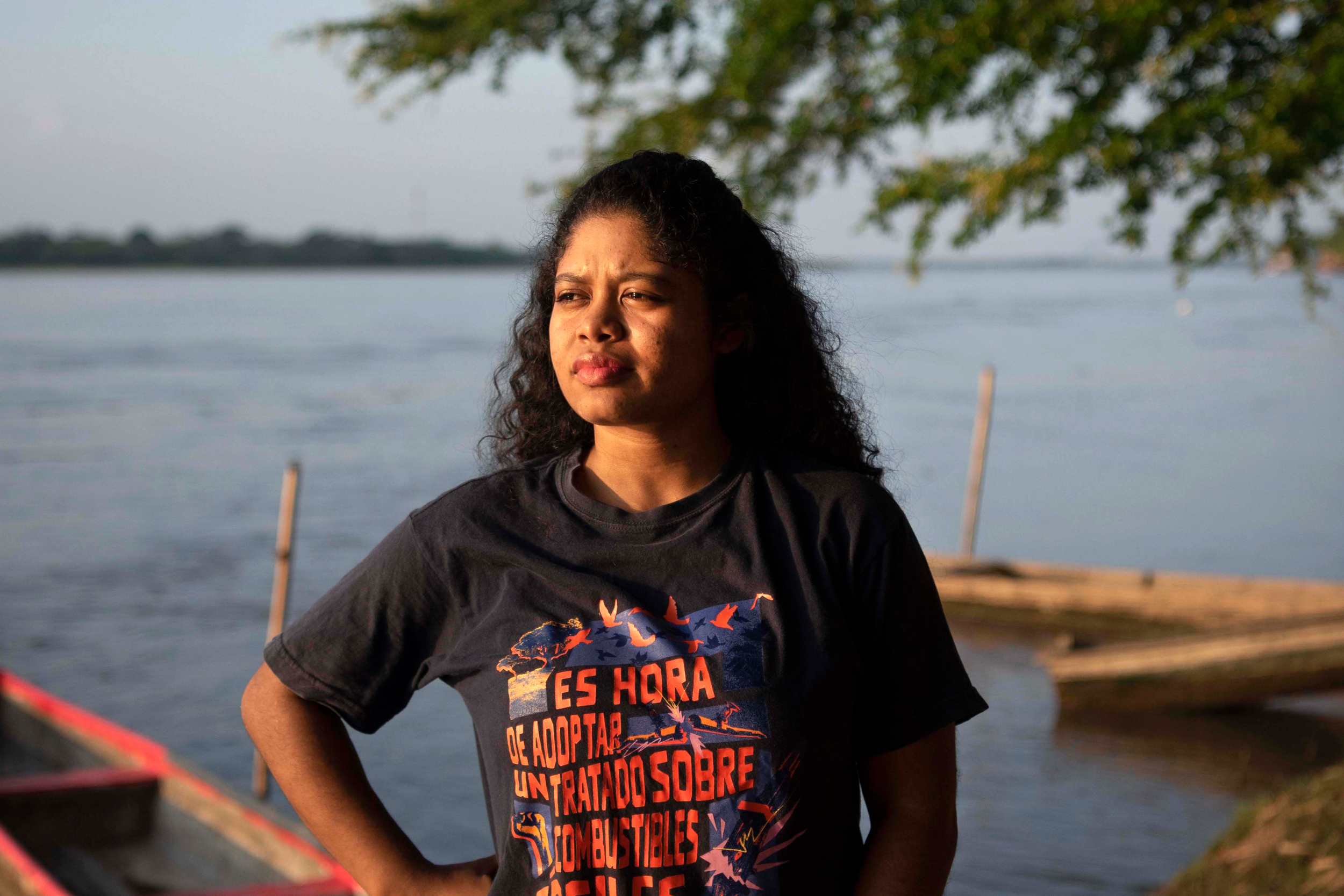
- Yuvelis Morales Blanco, a 25-year-old activist from Puerto Wilches in Santander, received the Goldman environmental prize in April for halting oil extraction and fracking in her region
- Colombia's export mix shifted in 2025 with non-mining, non-energy exports hitting 52.6% of the total — surpassing mining and energy exports for the first time in at least a decade
- Renewable energy capacity in Colombia grew from 200 MW to 3,600 MW between 2022 and 2026, even as fossil fuels still account for 5% of GDP amid a 6.4% fiscal deficit, the highest since the pandemic
- De la Espriella will be sworn in August 7 and plans dozens of decrees rolling back Pacto Histórico environmental policies; former environment minister Susana Muhamad predicts 'a policy of containment'
- The left's Iván Cepeda, who promised to continue the energy transition, lost by fewer than 250,000 votes out of 26 million cast, with no presidential debate ever held during the campaign
- Colombia hosted Cop16 in Cali in 2024 and a transition-away-from-fossil-fuels conference in Santa Marta in early 2026, but its international climate diplomacy role is now expected to shift
Why it matters: De la Espriella's August 7 inauguration threatens to reverse Colombia's renewable buildout (200 MW to 3,600 MW in four years) and strip environmental licensing power from ANLA, directly impacting frontline communities in Puerto Wilches and the Cordillera Occidental corridor where armed groups already dominate illegal mining economies.
Ask SkimNews