Mount Sinai Reverses Aging in Mouse Blood Stem Cells — SkimNews
SkimNews Take
Targeting specific cellular waste-disposal mechanisms, rather than broad cellular rejuvenation, may offer a more precise and effective strategy for reversing age-related cellular decline.
Get the Health newsletter
Daily health & science — research, biotech, public health, the studies worth knowing. Free.
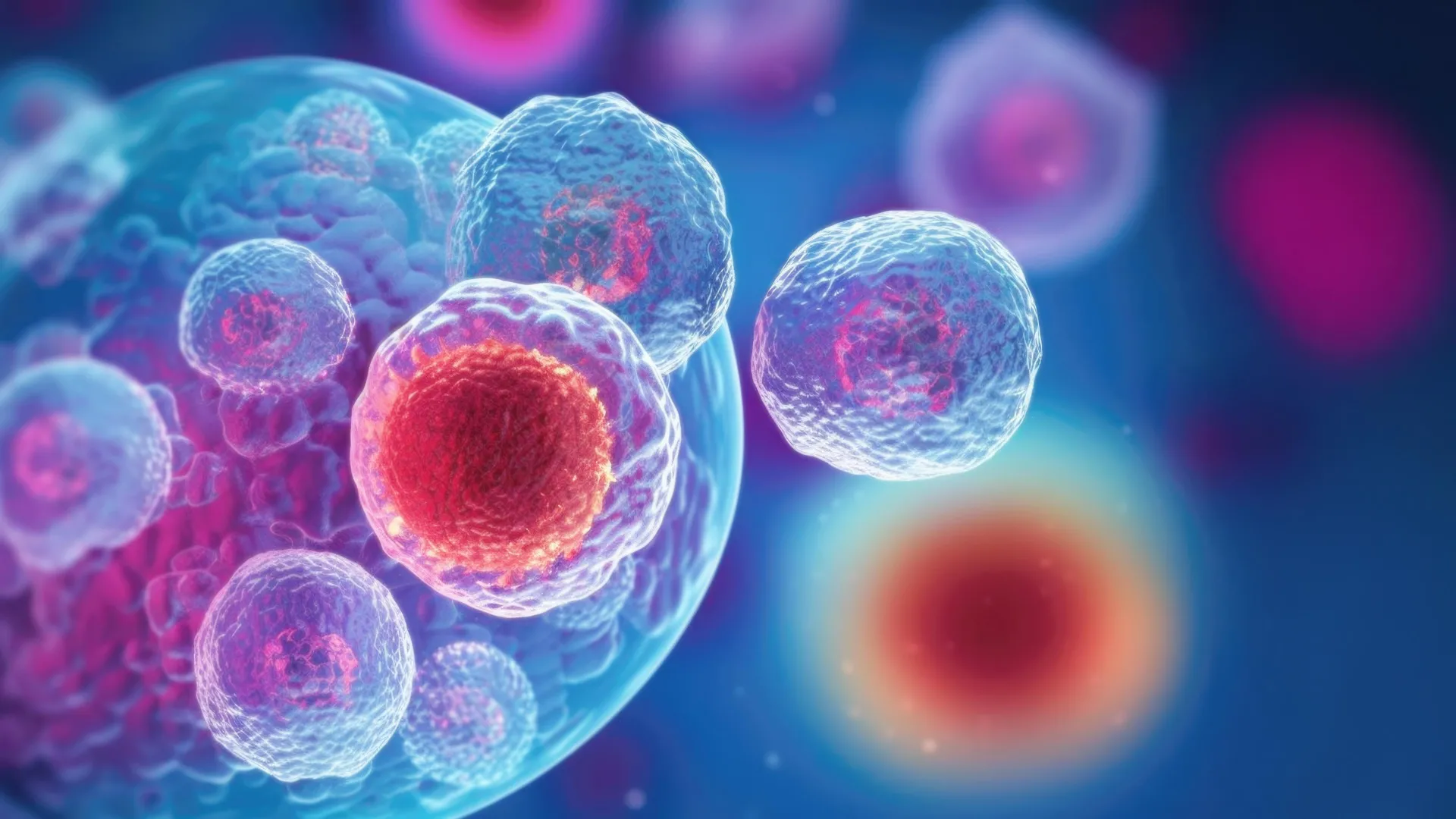
- Icahn School of Medicine at Mount Sinai reversed aging in mouse hematopoietic stem cells by repairing lysosomal defects, as reported in Cell Stem Cell.
- Lysosomes in aged HSCs become overly acidic and damaged, leading to inflammation and impaired blood regeneration.
- Saghi Ghaffari led the study, showing that calming lysosomal overdrive restores youthful stem cell function and boosts balanced blood cell production.
- American Cancer Society reports that age and smoking are the strongest risk factors for cancer, with a median diagnosis age of 67, underscoring the relevance of rejuvenating HSCs.
Why it matters: This finding supplies a new therapeutic target for anti‑aging drug development and ties lysosomal dysfunction to blood‑cancer risk, making it highly relevant for older patients.
Ask SkimNews