UCLA clears zombie immune cells, reverses liver damage — SkimNews
Get the Health newsletter
Daily health & science — research, biotech, public health, the studies worth knowing. Free.
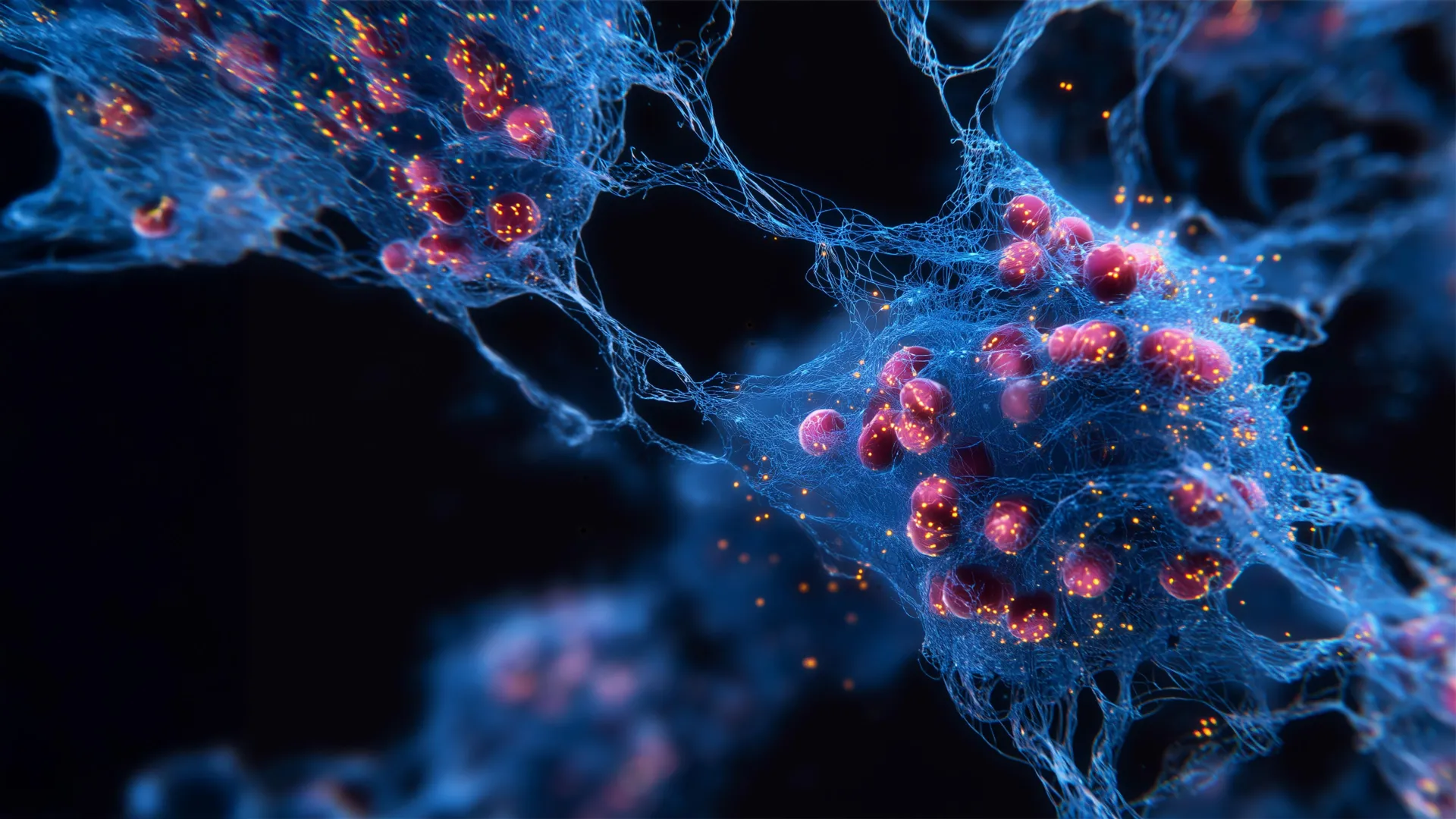
- UCLA researchers identified a molecular signature (p21 and TREM2 proteins) marking senescent macrophages, which made up 5% of liver immune cells in young mice but 60-80% in older mice.
- Exposing healthy macrophages to LDL cholesterol in the lab pushed them into a senescent, inflammatory state with the same p21-TREM2 signature, identifying excess cholesterol as a trigger alongside aging.
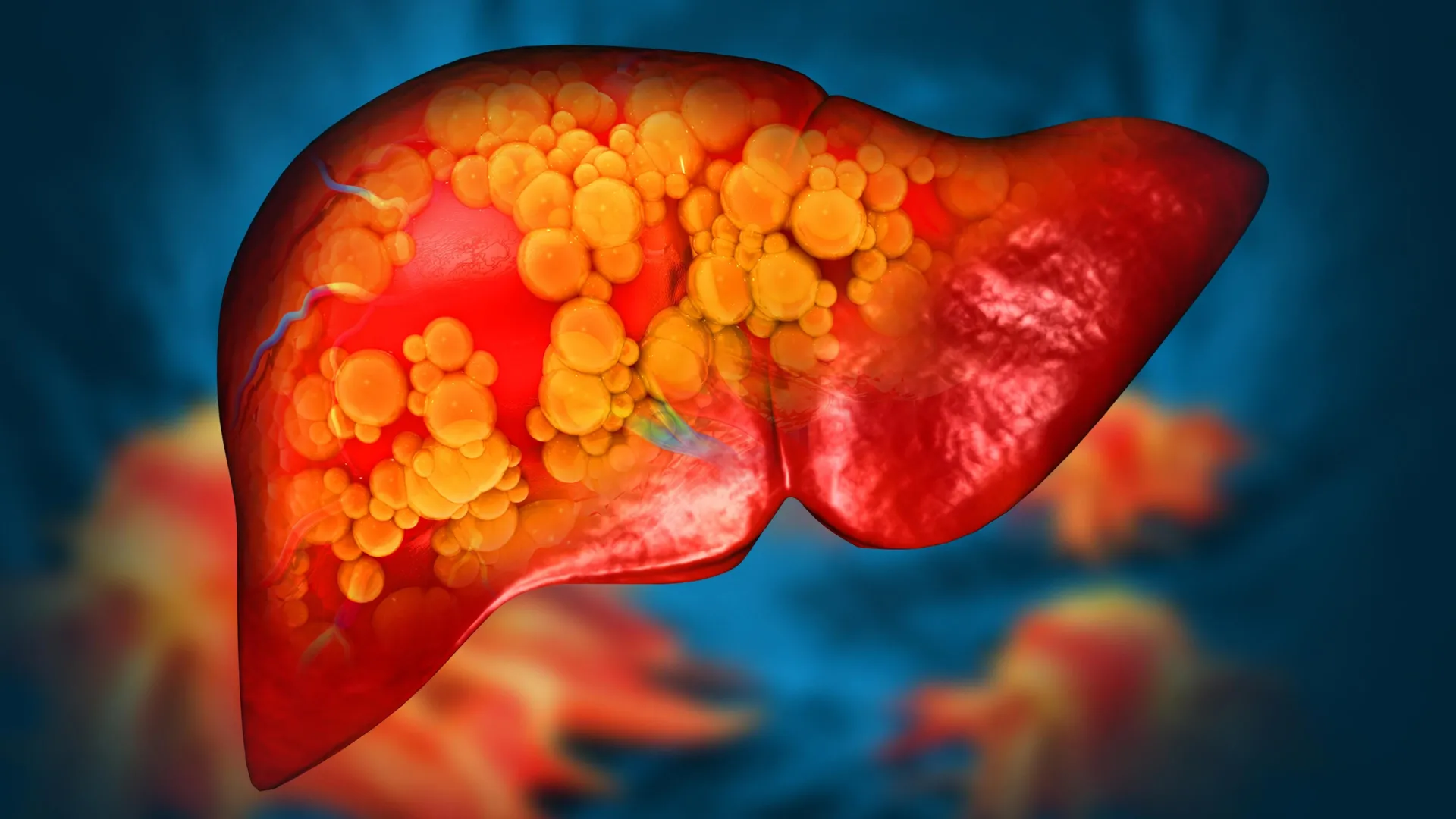
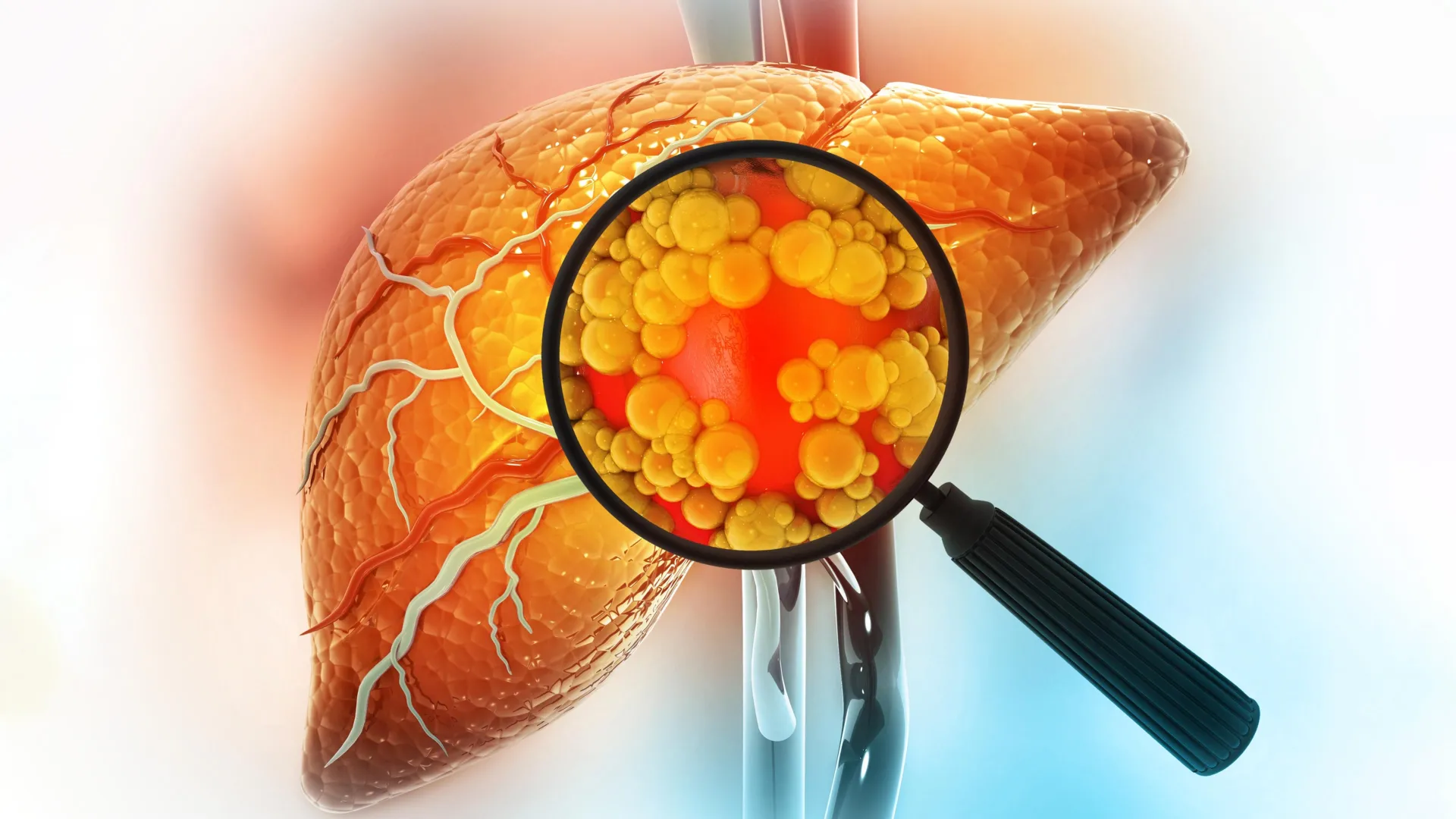
- Treating mice with the senolytic drug ABT-263 reversed fatty liver damage — liver shrank from about 7% of body weight to a healthier 4-5%, and body weight dropped roughly 25% (from ~40g to ~30g) despite a continued high-fat, high-cholesterol diet.
- Human liver biopsies from patients with fatty liver disease showed the same p21-TREM2 senescent macrophage signature significantly elevated compared with healthy livers, per an existing genomic dataset.
- ABT-263 is too toxic for widespread human use, and the team plans to screen for safer compounds that selectively clear senescent macrophages without harmful side effects.
- Published in Nature Aging on April 16, 2026, the study supports the geroscience hypothesis that a shared inflammatory aging process drives multiple diseases, with implications for atherosclerosis, Alzheimer's and cancer.
Why it matters: With an estimated 30-40% of Los Angeles residents affected by fatty liver disease and treatment options limited, identifying the p21-TREM2 senescent macrophage as a driver gives researchers a concrete cellular target. But ABT-263's toxicity means any human therapy is still years away, leaving the public health crisis — disproportionately hitting Latino communities — untreated for now.
Ask SkimNews