Review: Senescent Cells Help Healing, Spur Anti‑Aging — SkimNews
SkimNews Take
Distinguishing beneficial from detrimental senescent cells suggests that "anti-aging" interventions will increasingly focus on modulating specific cellular functions rather than broad-spectrum elimination.
Get the Health newsletter
Daily health & science — research, biotech, public health, the studies worth knowing. Free.
- The review published May 4 2026 in Aging‑US (Vol 18) titled “Cellular senescence: from pathogenic mechanisms to precision anti‑aging interventions,” was led by Jian Deng and Dong Yang of West China Hospital, Sichuan University.
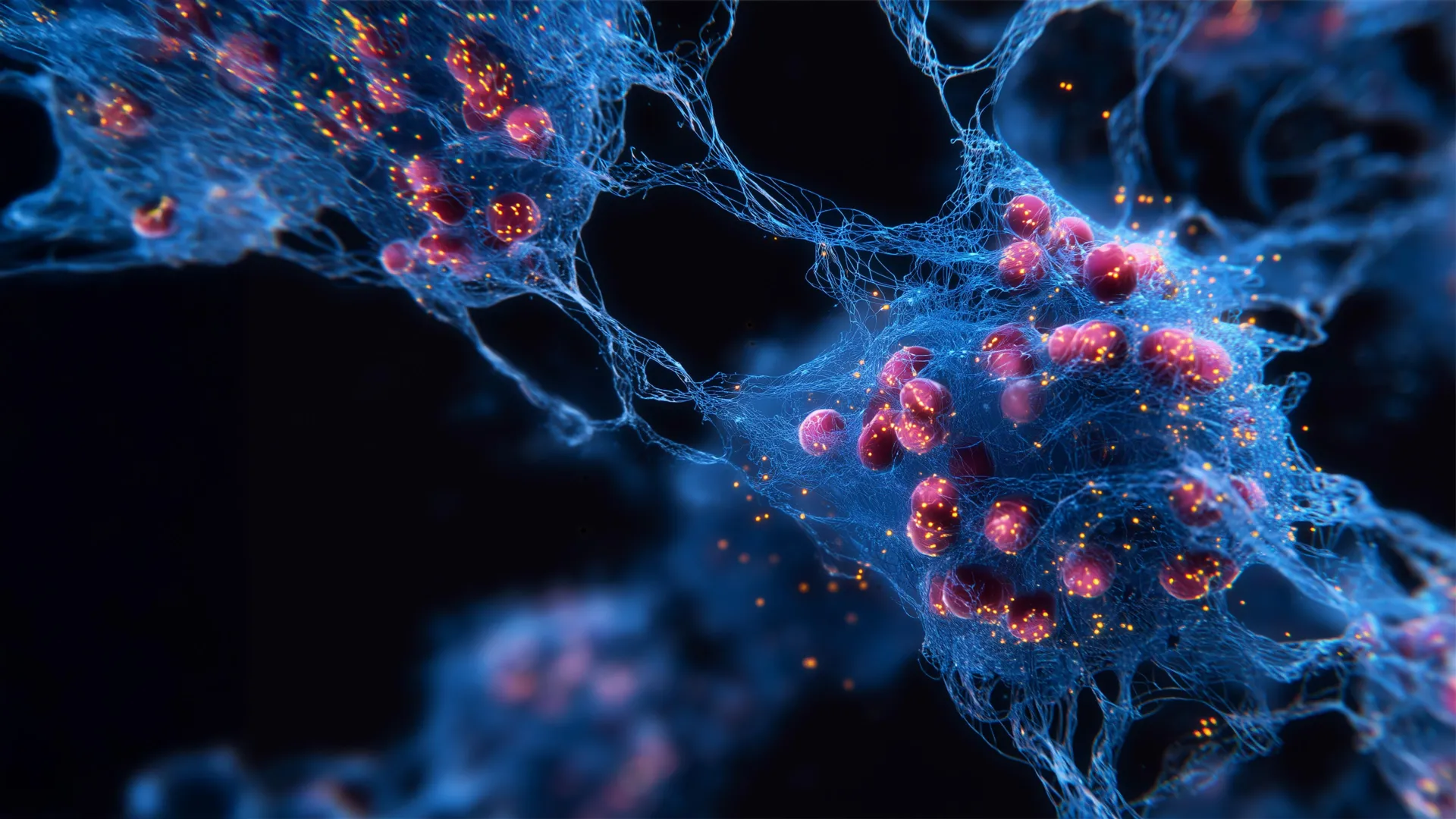
- Senescent cells are shown to be heterogeneous, with some types supporting wound healing, tissue homeostasis, and embryonic development, contrary to the long‑standing view that they are purely harmful.
- Researchers report that senescent cells accumulate in organs such as liver, lung, kidney, heart, brain, skin, and fat, arising from oxidative stress, DNA damage, telomere shortening, UV exposure, and pollution.
- Precision anti‑aging therapies are advocated to selectively clear pathogenic senescent cells while preserving beneficial ones, aiming to treat age‑related diseases without disrupting natural repair mechanisms.
Why it matters: Biotech firms developing senolytics stand to gain market share as precision therapies aim to selectively clear harmful senescent cells while preserving beneficial ones, offering a more targeted anti‑aging approach.
Ask SkimNews