US Says Hormuz Blockade Works, Iran Holds Leverage — SkimNews

Get the Geopolitics newsletter
Daily geopolitics — wars, elections, sanctions, the diplomatic moves that move markets. Free.
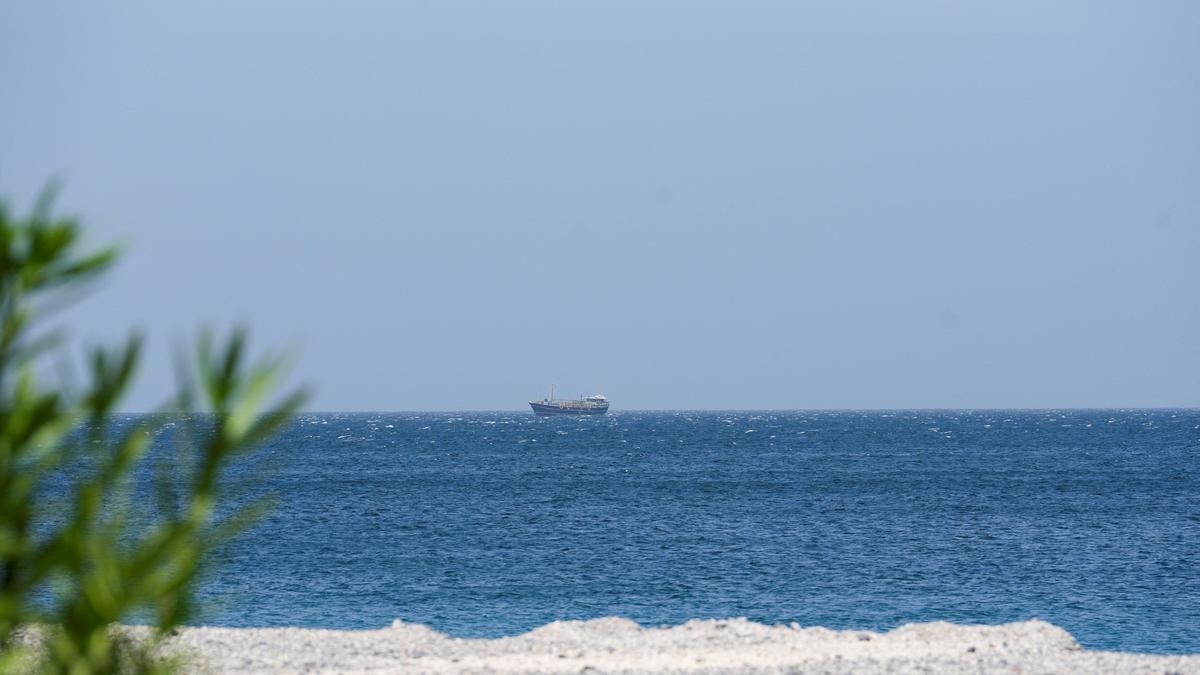
- U.S. administration says its Hormuz blockade is working, citing nine ships that complied, including the Chinese‑owned tanker Rich Starry turning around in the Gulf of Oman on Wednesday.
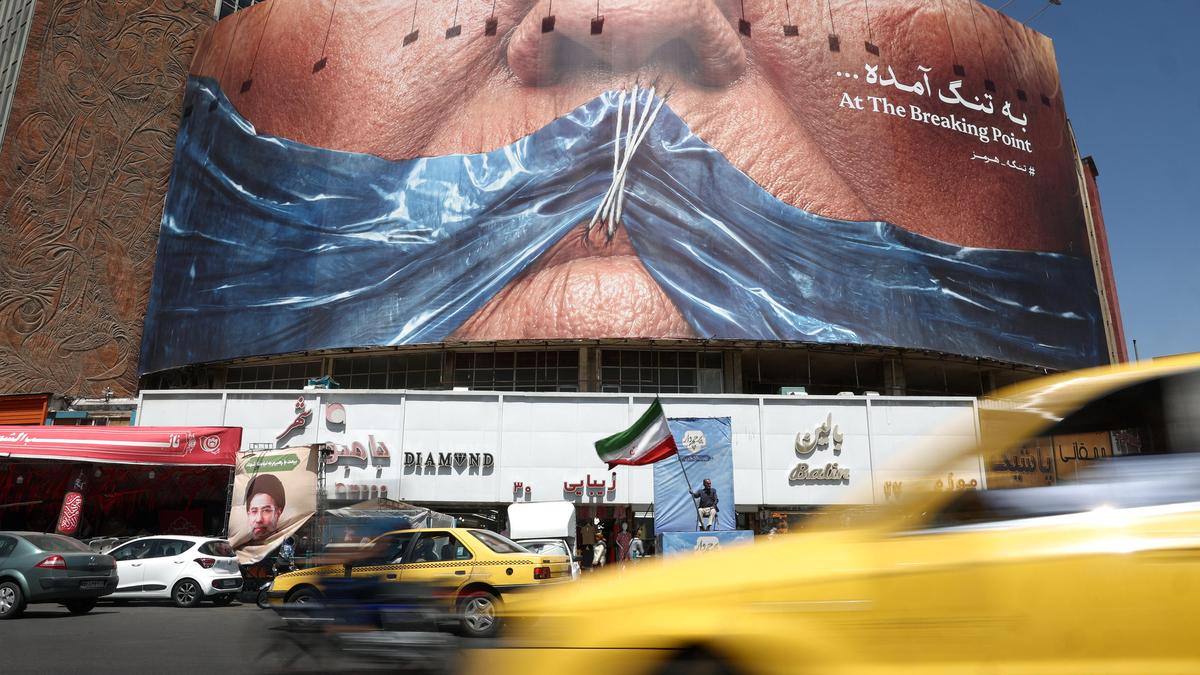
- Iran asserts it still controls the Strait of Hormuz, stating it will decide which ships transit and warning that no port in the Persian Gulf or Sea of Oman will be safe if its ports are threatened.
- Iran's tolls generate an estimated $600 million per month from oil and $800 million per month from gas, with economists estimating up to $14 billion a year in oil toll revenue, mainly paid by Persian Gulf states.
- China's Foreign Ministry spokesperson Guo Jiakun called the U.S. blockade “dangerous and irresponsible,” while China’s diversified oil imports and petroleum reserves could replace strait imports for up to seven months.
- China continues to deepen Gulf ties, with trade reaching $257 billion in 2024 and diplomatic outreach such as the Abu Dhabi crown prince’s visit to Beijing, signaling a growing regional role.
Why it matters: Iran secures up to $1.4 billion monthly from strait tolls, strengthening its economic leverage and deterrence, while the U.S. incurs high military costs for a blockade that Iran can sustain. China preserves its oil supply and deepens Gulf ties, positioning itself as an alternative power.
Ask SkimNews