Tesla blames battery supply for flat sales, but its prices keep falling — SkimNews
Get the Energy newsletter
Daily energy & climate — solar, EVs, oil, the policy fights and tech bets shaping the transition. Free.
- Tesla delivered 486,532 vehicles in Q3 2026, down 2% from 497,099 a year earlier, but delivered 22,141 more than it produced for a second straight quarter; global inventory fell to 11 days from 15 in Q2 and 27 in Q1.
- Tesla cited a lower year-over-year vehicle average selling price—even after excluding currency effects—as one reason revenue did not grow, while reporting record deliveries in Canada, Australia, Japan and Taiwan.
- Tesla’s Q3 2026 shareholder letter says battery availability limited what it could sell, following Q2’s description of battery pack capacity as the main near-term production constraint; it still claims the largest passenger-vehicle backlog in four years without disclosing a number.
- Model 3 and Model Y deliveries fell 1%, while their production ran at an annualized 1.83 million units—about 81% of the more than 2.25 million units of installed capacity Tesla listed.
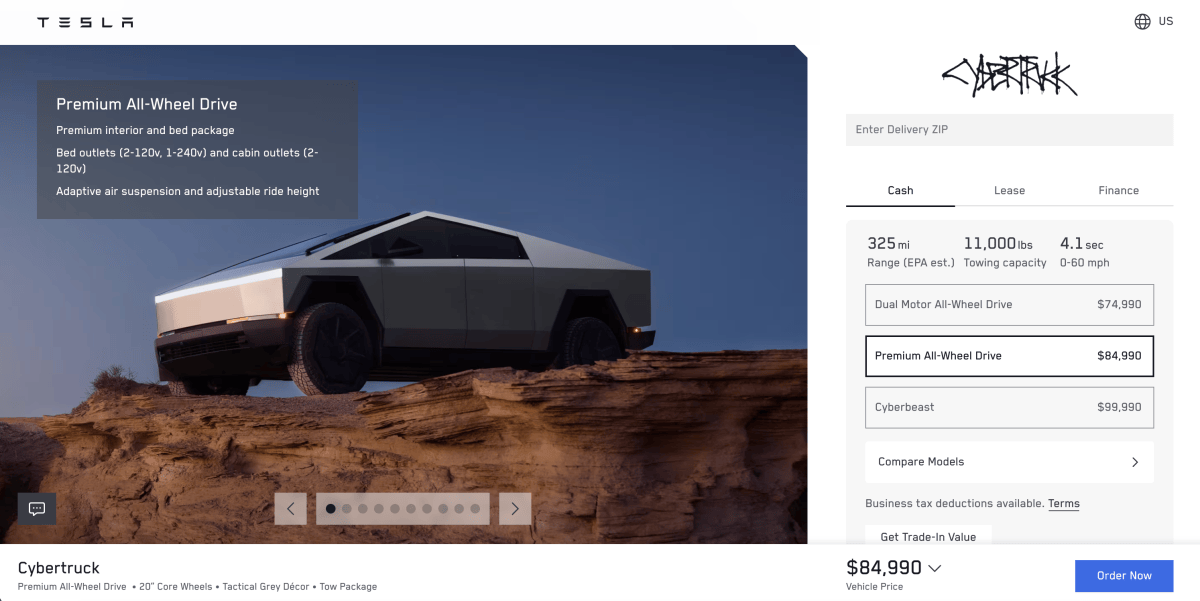
- Cybertruck and Semi were grouped with the remaining Model S and X in Tesla’s “other models” category, whose deliveries fell 48% to 8,295 units.
- Megafactory Texas started production with 50 GWh of planned capacity as Tesla’s energy-storage business posted its highest-ever order rate and backlog.
- 4680 cell output is being increased to support the ramps of Cybercab and Semi plus higher Model Y volumes; Tesla also says deliveries depend on allocating batteries between sale to customers and use for its owned and operated fleet.
Why it matters: Tesla’s own Q3 numbers weaken the pure supply-constraint explanation: deliveries exceeded production by 22,141 for a second straight quarter, inventory fell to 11 days, and Tesla reported a lower vehicle ASP even excluding currency. The battery-allocation choice among customer cars, Megapack, Cybercab and Semi therefore matters directly to Tesla’s sales mix.
Ask SkimNews