U.S. Pivots From Strikes to Economic Siege on Iran
Get the Geopolitics newsletter
Daily geopolitics — wars, elections, sanctions, the diplomatic moves that move markets. Free.
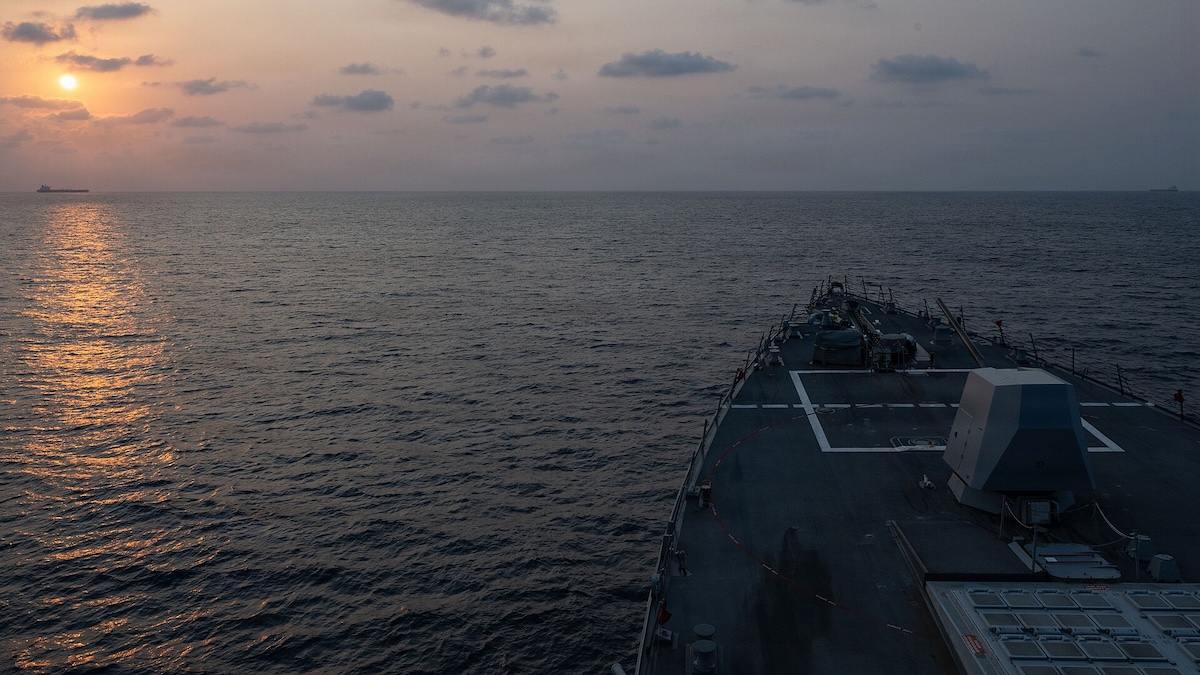
- United States tapered military strikes on Iran in August after a busy July, pivoting to what the source frames as a financial squeeze: a physical blockade of Iran's maritime trade paired with sanctions Treasury Secretary Scott Bessent called "never seen in the history of the economic isolation of a country."
- United Arab Emirates announced on Aug. 19 it would suspend trade and financial links with Iran, adding a major Gulf economy to the isolation campaign and compounding pressure on an Iranian economy already weakened before the war.
- President Trump poured cold water on diplomacy, asserting no talks with Iran are "going on, or scheduled," leaving the contest as a test of which side — Tehran or Washington — can absorb more economic pain if Hormuz shipping does not rebound.
- Iran may respond with its own counterpressure campaign of additional attacks on shipping through the Strait of Hormuz and possible renewed targeting of U.S. assets and allies, per the source's stated risk assessment.
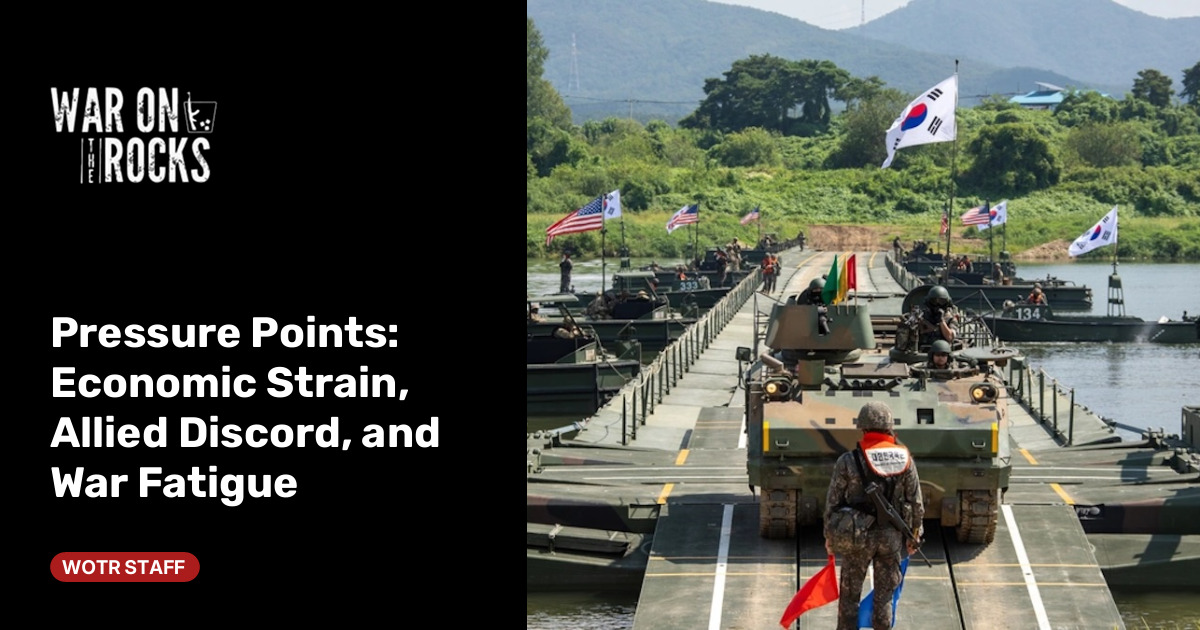
- North Korea issued a series of statements protesting the U.S.-South Korean Ulchi Freedom Shield exercises, a pattern the source describes as common around large-scale joint military drills — with Trump acting one day before the exercises were set to start (further detail behind paywall).
- The source frames the standoff as a pain-tolerance contest: with Trump's diplomatic channel closed and shipping through the strait suppressed, Iran's dwindling oil exports and pre-war economic weaknesses become the central pressure point.
Why it matters: With Trump shutting the diplomatic door and Bessent invoking unprecedented sanctions language, the U.S. is betting economic collapse will break Iran faster than strikes could — but the source itself flags that this same pressure may push Tehran toward escalated attacks on Strait of Hormuz shipping and U.S. allies, turning a financial siege into a renewed military confrontation.
Ask SkimNews