US Hormuz blockade cuts off 90% of Iran's economy — SkimNews

SkimNews Take
By weaponizing the same chokepoint that carries global oil supply, the blockade trades maximal pressure on Iran for maximal collateral cost to energy markets — a single lever that weakens itself the harder it pulls.
Get the Geopolitics newsletter
Daily geopolitics — wars, elections, sanctions, the diplomatic moves that move markets. Free.
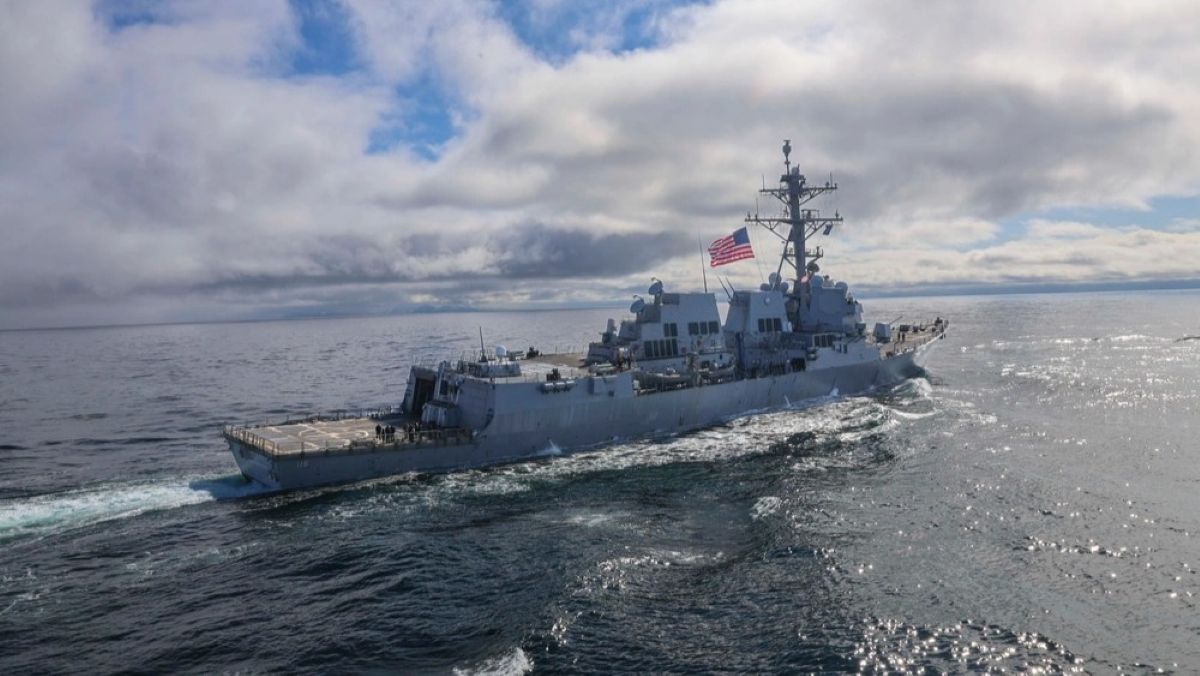
- U.S. military blockade of the Strait of Hormuz, which began Monday, has cut off an estimated 90% of Iran's economy by halting seaborne trade to and from its ports, per military officials.
- Joint Chiefs Chair Gen. Dan Caine said 13 ships have already made "the wise choice of turning around" and warned that non-compliant vessels will be boarded or faced with force, including dark fleet ships carrying Iranian oil pursued globally — even into the Pacific.
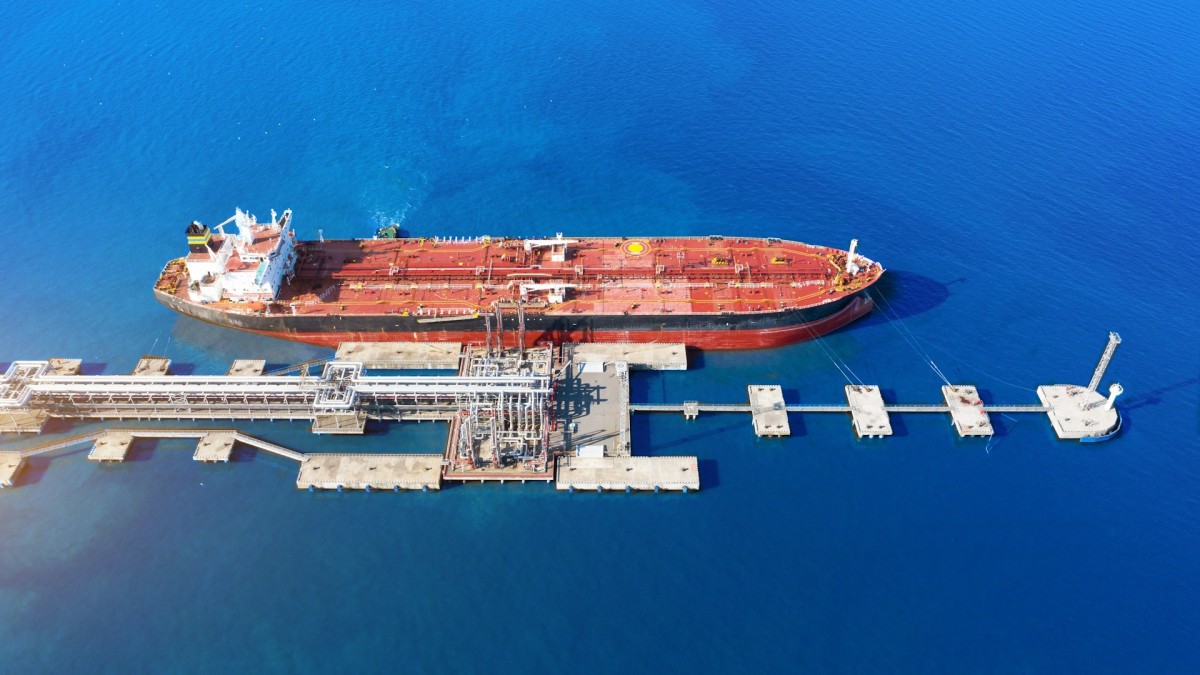
- U.S. Central Command head Adm. Brad Cooper said American forces completely halted Iran's seaborne trade in under 36 hours; Iran had previously been exporting roughly 1.5 million barrels of oil per day and about $340 million in seaborne goods.
- U.S. Navy ships are operating well out into the Gulf of Oman rather than along the Iranian coast, using intelligence and surveillance to monitor 18 ports and interdict vessels, with Caine likening the maneuvering to "driving a sports car through a supermarket parking lot."
- President Trump praised the blockade as "incredible" and said Iran is "unable to do any business," though talks last week ended without resolution and there is no clear off-ramp from a war now nearly seven weeks old.
- Retired Vice Adm. Kevin Donegan and Hudson Institute's Joel Rayburn called the blockade highly effective — Donegan noting Iran's regime "cares less about the suffering that may be felt by their people," while Rayburn said Iran lacks the land-border capacity to reroute its oil exports.
- Energy markets face pressure: the longer the blockade lasts, the higher U.S. gas prices could climb, since the oil market was already stressed since early March by Iran's own earlier blockade of the strait.
Why it matters: The U.S. is wagering that choking off 90% of Iran's economy — 1.5 million barrels of daily oil exports and $340 million in seaborne trade — will force Tehran back to the table, but the same blockade that squeezes Iran risks driving up U.S. gas prices the longer it lasts, with no diplomatic off-ramp visible after seven weeks of war.
Ask SkimNews