Thames Water Bans Hosepipe Use Across Southern England — SkimNews

Get the Energy newsletter
Daily energy & climate — solar, EVs, oil, the policy fights and tech bets shaping the transition. Free.
- Thames Water announced a hosepipe ban starting Thursday, citing usage 10% above normal in the Thames Valley and home counties and 7% above in London, following prolonged heat and sparse rainfall.
- More than 20 million households across south and south-east England and parts of Wales now face hosepipe bans from seven companies: Thames Water, South East Water, Anglian Water, Southern Water, Affinity Water, Cambridge Water, and Wales Water.
- South East Water is extending its existing ban this weekend to cover all 2.4 million of its customers, while Thames has asked customers to comply immediately even before Thursday's effective date.
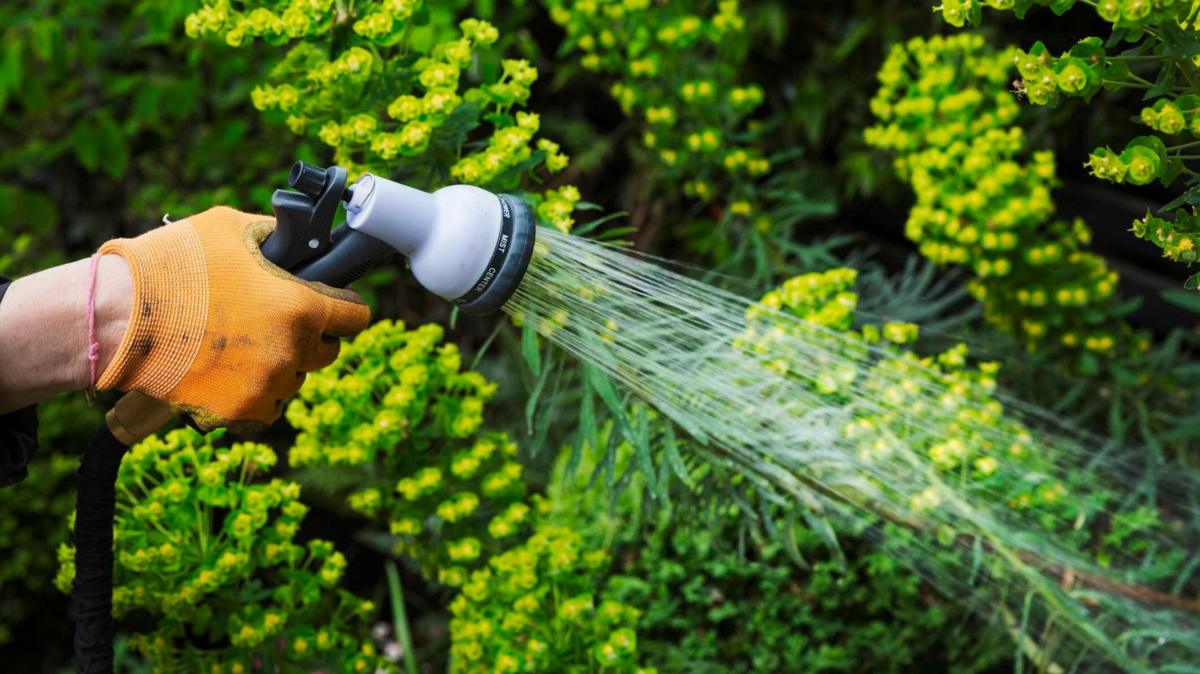
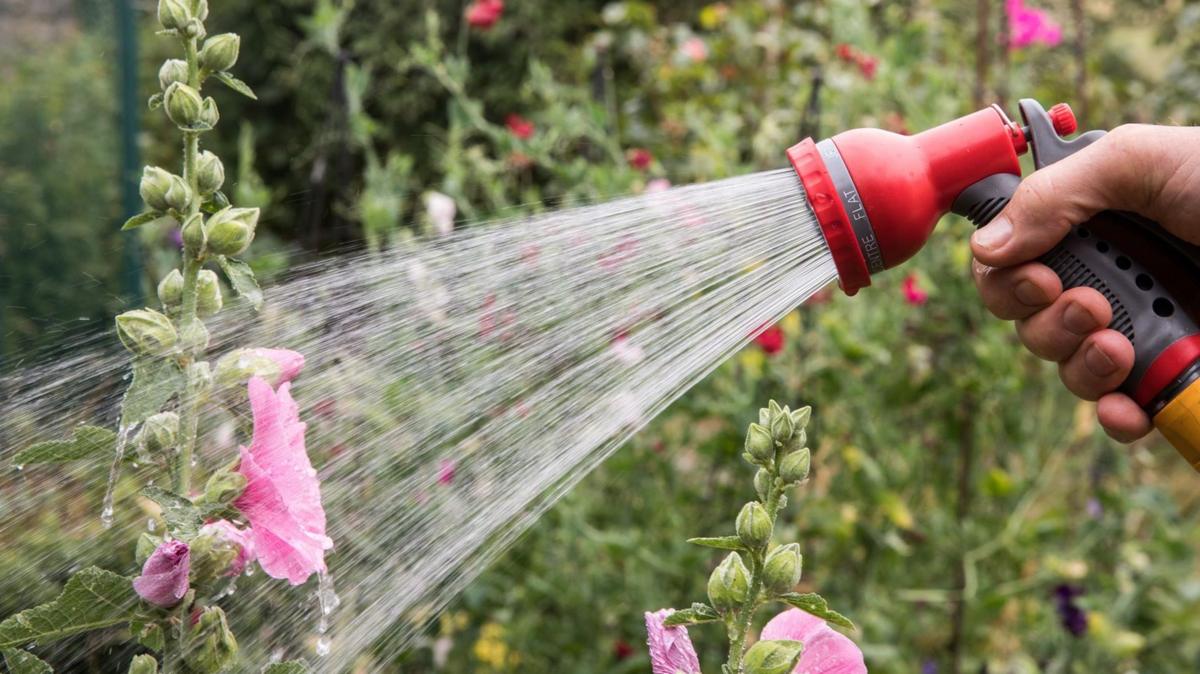
- Under the Flood and Water Management Act 2010, the ban prohibits non-essential hosepipe use — watering gardens, filling pools, washing cars — with fines of up to £1,000, though exemptions cover fresh turf, new plants, animal welfare, and religious practices.
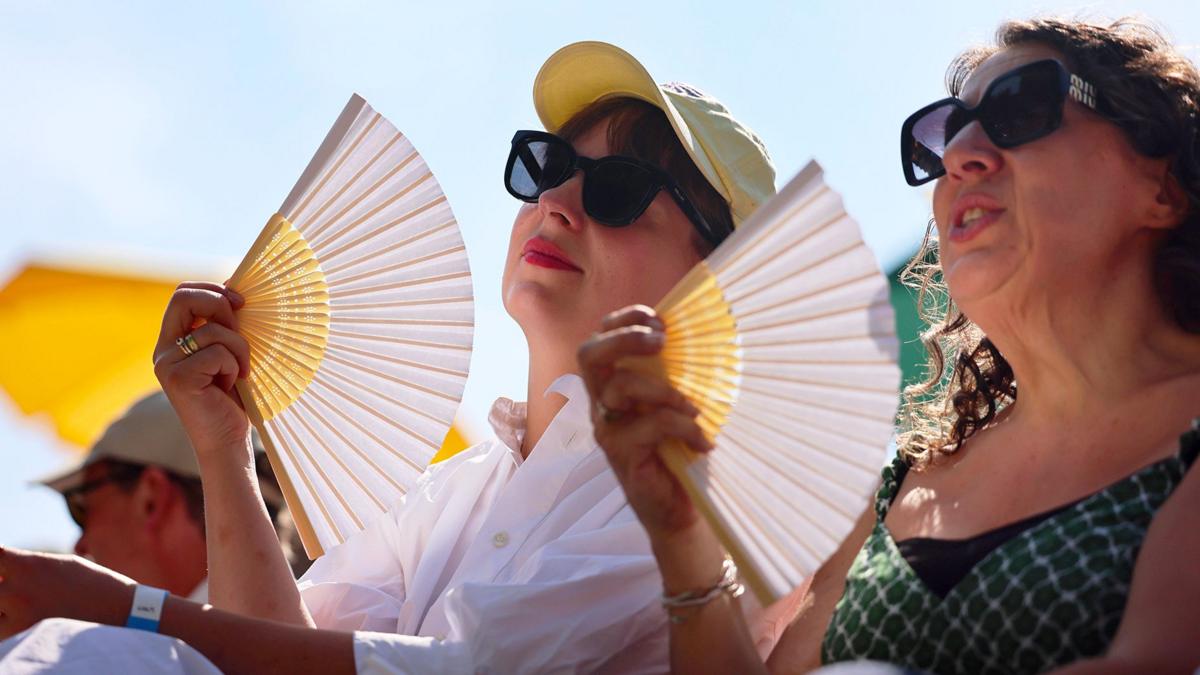
- The Environment Agency said eight areas in England are now in prolonged dry weather, the stage before drought, after the Met Office confirmed June 2026 as England's hottest June on record (37.7°C in Norfolk) and July brought just 3% of long-term average rainfall.
- Greenpeace research found pipes in England and Wales leak five times more water than a nationwide hosepipe ban would save, sharpening criticism that the £75m 'Let's Save Water' public campaign targets consumers rather than infrastructure failures.
- The government's 'Let's Save Water' campaign targets cutting daily household use by 28 litres — Britons currently average 140 litres a day, among the highest in Europe.
Why it matters: Households face £1,000 fines for garden hoses while the infrastructure leaks five times the water such bans save — a pointed indictment of an industry that has underinvested in pipes while imposing rationing on customers during record-breaking heat and 3% of normal July rainfall.
Ask SkimNews