Stanford discovers 'ruptoblasts' that explode to kill cells — SkimNews
Get the Health newsletter
Daily health & science — research, biotech, public health, the studies worth knowing. Free.
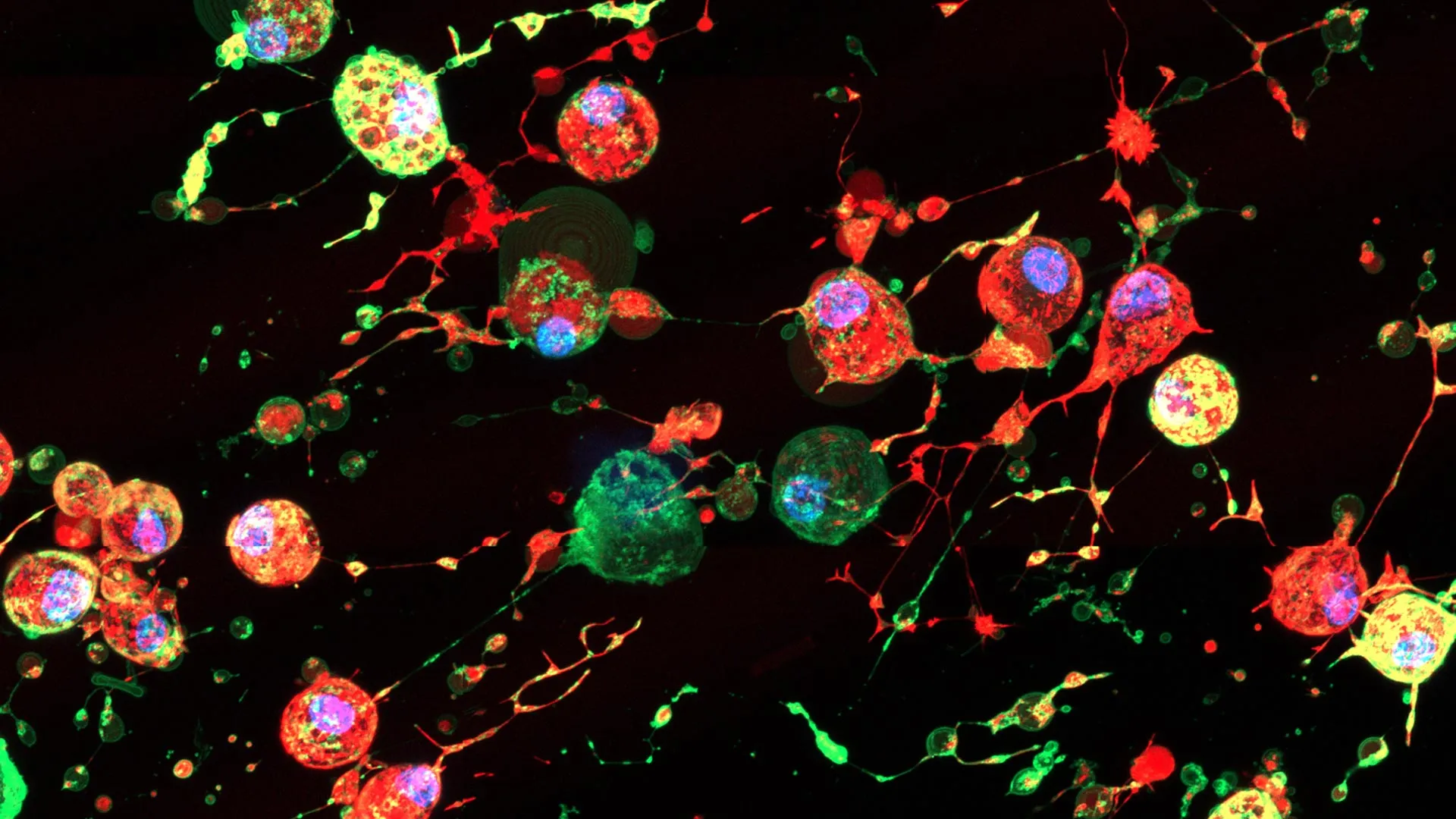
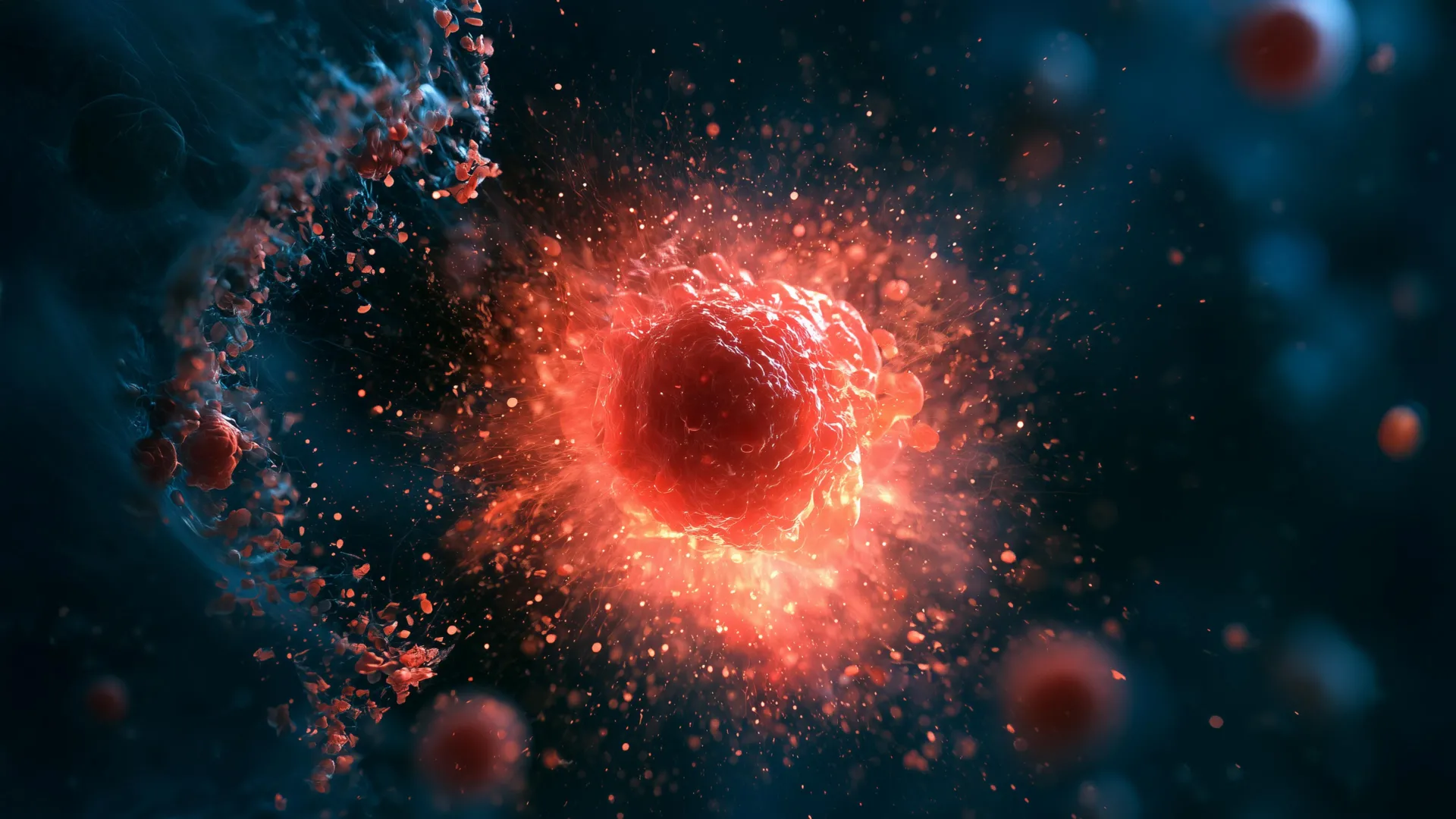
- Stanford researchers discovered immune cells in planarian flatworms that explode within minutes, killing surrounding cells before vanishing completely, and named the cells "ruptoblasts" and the process "ruptosis."
- Postdoctoral researcher Chew Chai stumbled on the cells while slicing flatworms lengthwise and fusing them with parts of other worms, finding the fused animals rejected foreign tissue via an "inflammatory fire" triggered by the hormone activin.
- Ruptosis happens within seconds to minutes, far faster than the multi-hour explosive cell death documented in some mammalian cells and bacteria, which slowly leak contents through forming pores.
- Ruptoblasts destroyed E. coli bacteria, human kidney cells, and mouse blood cells in lab tests, with damage confined to nearby cells — no chain reaction and no persistent toxicity.
- Ruptoblasts are glandular cells, not hematopoietic blood cells like T cells or neutrophils, and appear to weaponize normal secretion systems via a rapid calcium surge from the endoplasmic reticulum.
- The Stanford team found ruptoblast-like cells only in basal bilaterians such as flatworms, suggesting vertebrates may have lost this ancient defense because they cannot easily repair the collateral tissue damage.
Why it matters: Stanford's discovery gives drug hunters a new mechanism — a glandular cell type absent in vertebrates that delivers a fast, localized kill against bacteria and even human cells in under five minutes. The evolutionary trade-off is striking: flatworms can afford such violent immunity because their abundant stem cells regenerate damaged tissue; mammals cannot.
Ask SkimNews