What we know about US soldiers killed in Iran war, and Iranian casualties — SkimNews

Get the Geopolitics newsletter
Daily geopolitics — wars, elections, sanctions, the diplomatic moves that move markets. Free.
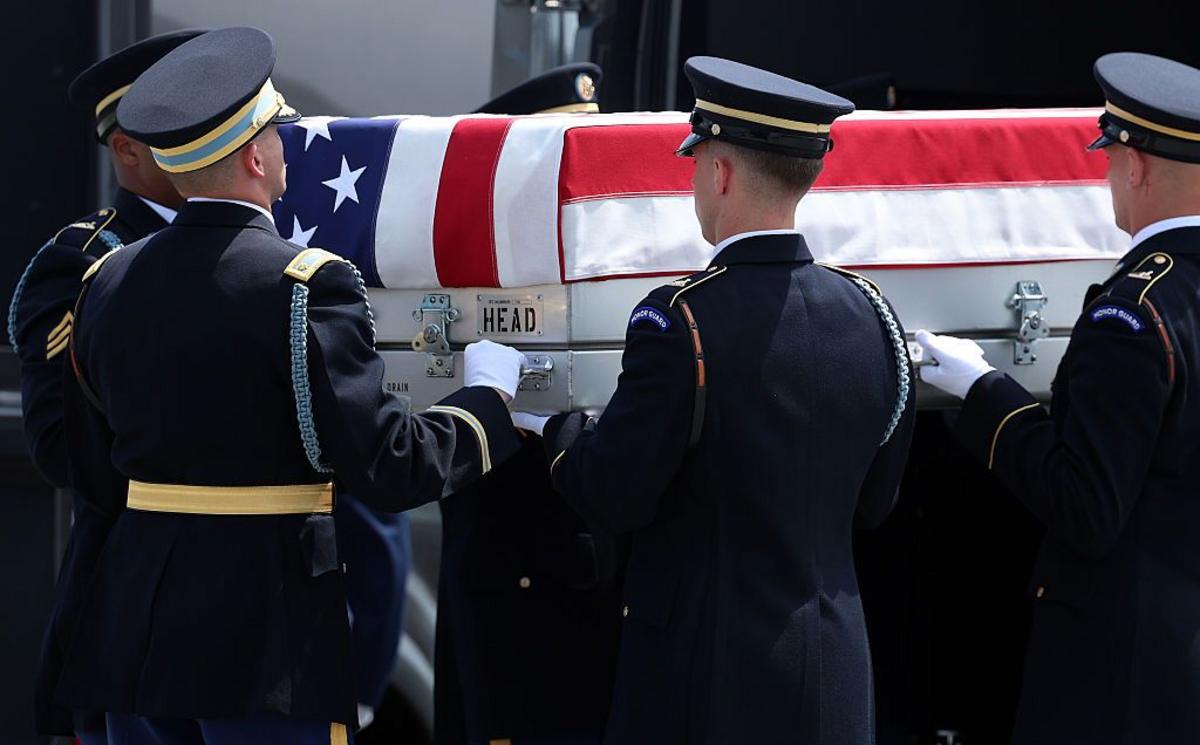
- US military deaths in the Iran war have reached 17, with at least 420 wounded and one missing, after CENTCOM confirmed a soldier died Saturday in northern Iraq during controlled detonation of unexploded ordnance on a downed Iranian attack drone.
- Tyler James Feehan (25) was killed Saturday in Iraq, and Isabella Gonzales (19) died Friday in an attack on Muwaffaq Salti Air Base in Jordan — among the first names the Pentagon has released of the 17 fallen.
- Hostilities resumed July 7 after a June 17 memorandum of understanding extended the ceasefire; the US completed its ninth consecutive night of strikes by Sunday, while Iran retaliated with ballistic missiles hitting US transport planes at Aqaba airport in Jordan.
- Iranian casualties dwarf the US toll: at least 3,468 people were killed and more than 26,500 injured from the war's February 28 start through the June MoU — including seven infants, 376 older children, and 496 women — and Iran's Health Ministry reported at least 50 more killed and 500 injured in July strikes alone.
- Iranian leadership has been devastated during the war: Supreme Leader Ayatollah Ali Khamenei, senior security chief Ali Larijani, and Basij paramilitary commander Gholamreza Soleimani were all killed.
- Trump said Sunday the US is hitting Iran "very hard" to honor the killed service members, while a Reuters/Ipsos poll found only about one in four Americans believes the war is worth its costs.
- Historical comparison puts the toll in perspective: 17 US dead over 142 days versus more than 4,400 over the 3,195-day Iraq war and more than 2,400 over the 7,267-day Afghanistan war.
Why it matters: The casualty asymmetry is stark — 17 US dead versus 3,400-plus Iranian civilians killed — yet with only 25% of Americans calling the war worth its costs (per Reuters/Ipsos), Trump's political margin for continued escalation narrows as body bags and fuel costs accumulate. Khamenei's death marks the most consequential decapitation of an adversary's government since modern US warfare began.
Ask SkimNews