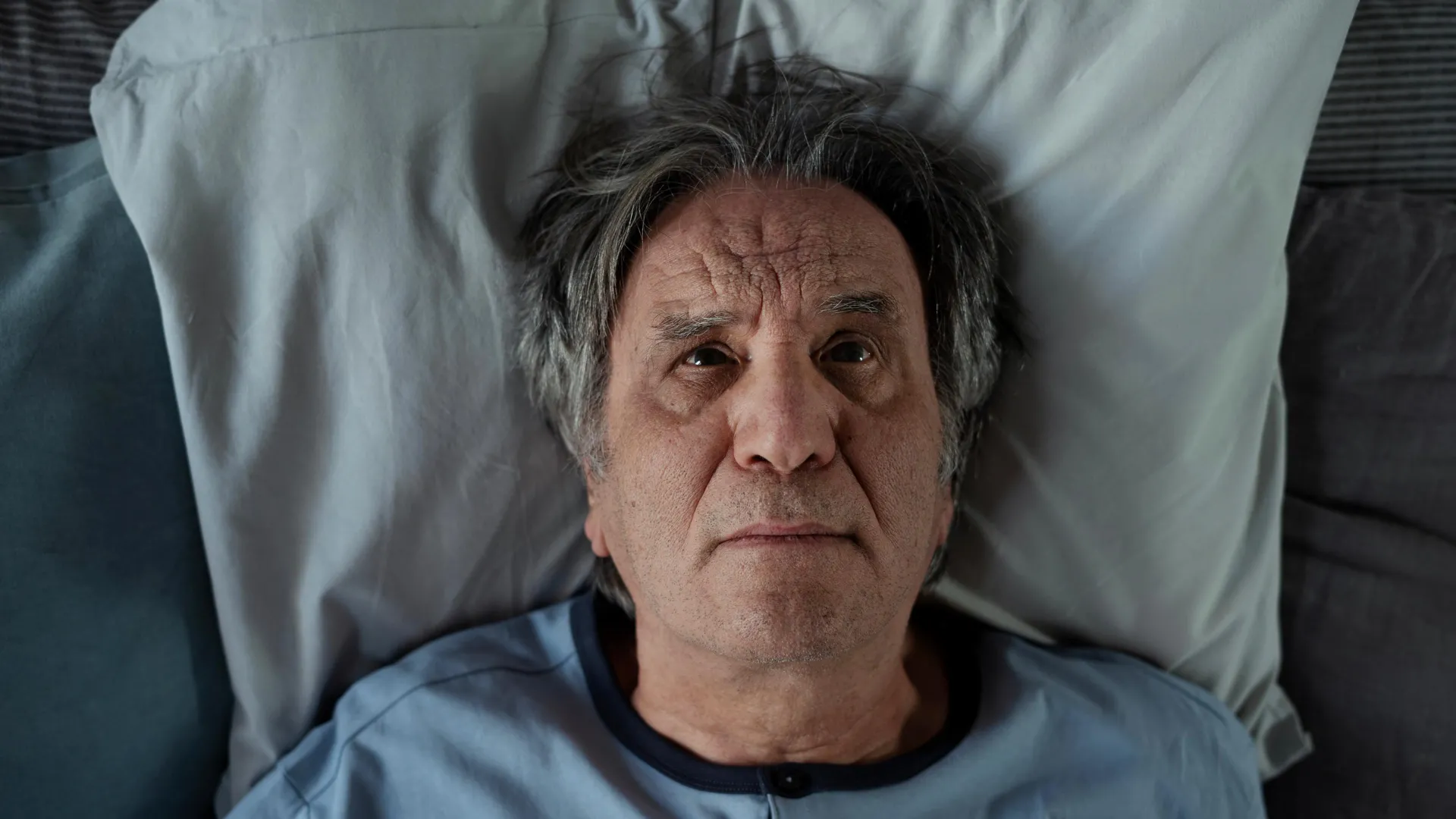
Shingles vaccine linked to 24% lower dementia risk
Get the Health newsletter
Daily health & science — research, biotech, public health, the studies worth knowing. Free.
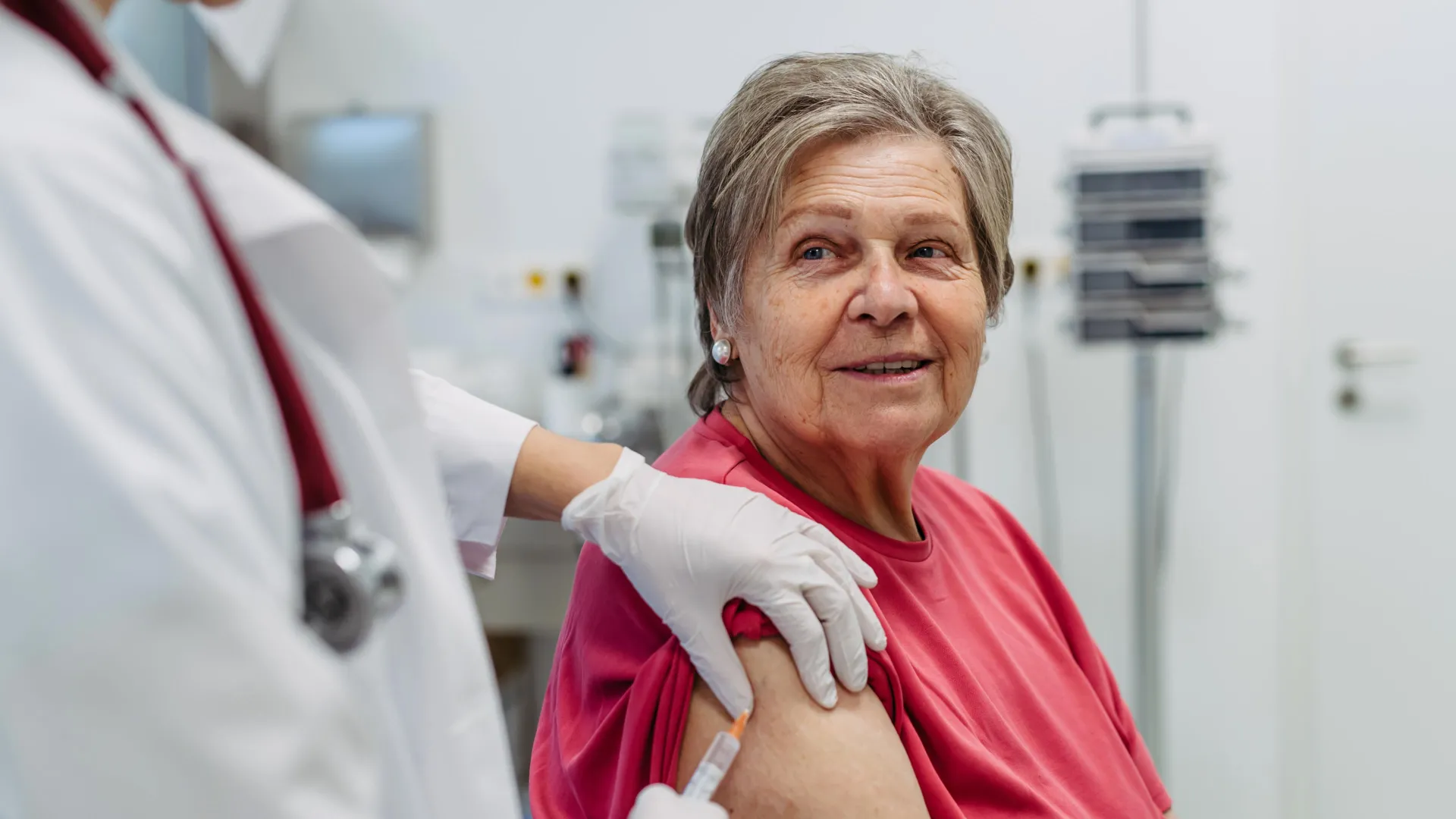
- Shingrix (recombinant shingles vaccine, RZV) was linked to a 24% lower risk of dementia diagnosis over four years in a study of 509,926 older adults admitted to U.S. skilled nursing facilities.
- Dementia developed in 18.8% of vaccinated participants versus 24.6% of unvaccinated participants — translating to roughly one dementia case potentially prevented for every 17 people vaccinated.
- Kaley Hayes of Brown University's School of Public Health led the study, published in Annals of Internal Medicine, using Medicare claims and electronic health records from patients aged 66 and older across more than 5,500 skilled nursing facilities between 2017 and 2022.
- Only 8,843 of the 509,926 patients analyzed received the vaccine, and researchers used target trial emulation to approximate conditions of a randomized clinical trial.
- Researchers cautioned the study cannot prove causation, noting vaccinated adults tended to be younger and healthier — though statistical adjustments did not fully explain the association.
- The authors disclosed GlaxoSmithKline funding — Shingrix's manufacturer — though the company had no role in study design, analysis, or publication decisions.
- The findings align with earlier studies using a previous shingles vaccine, which Hayes called evidence that vaccines may have neuroprotective effects beyond preventing viral reactivation.
Why it matters: If confirmed by future clinical trials, an already widely accessible vaccine could offer dual protection against both shingles and cognitive decline — reshaping how clinicians weigh the value of Shingrix for aging adults. The 509,926-patient Medicare analysis strengthens a growing body of evidence but stops short of proving causation, leaving the neuroprotective claim as a promising signal rather than a confirmed benefit.
Ask SkimNews