Kim Yo Jong Warns Japan Over Tomahawk Test — SkimNews

Get the Geopolitics newsletter
Daily geopolitics — wars, elections, sanctions, the diplomatic moves that move markets. Free.
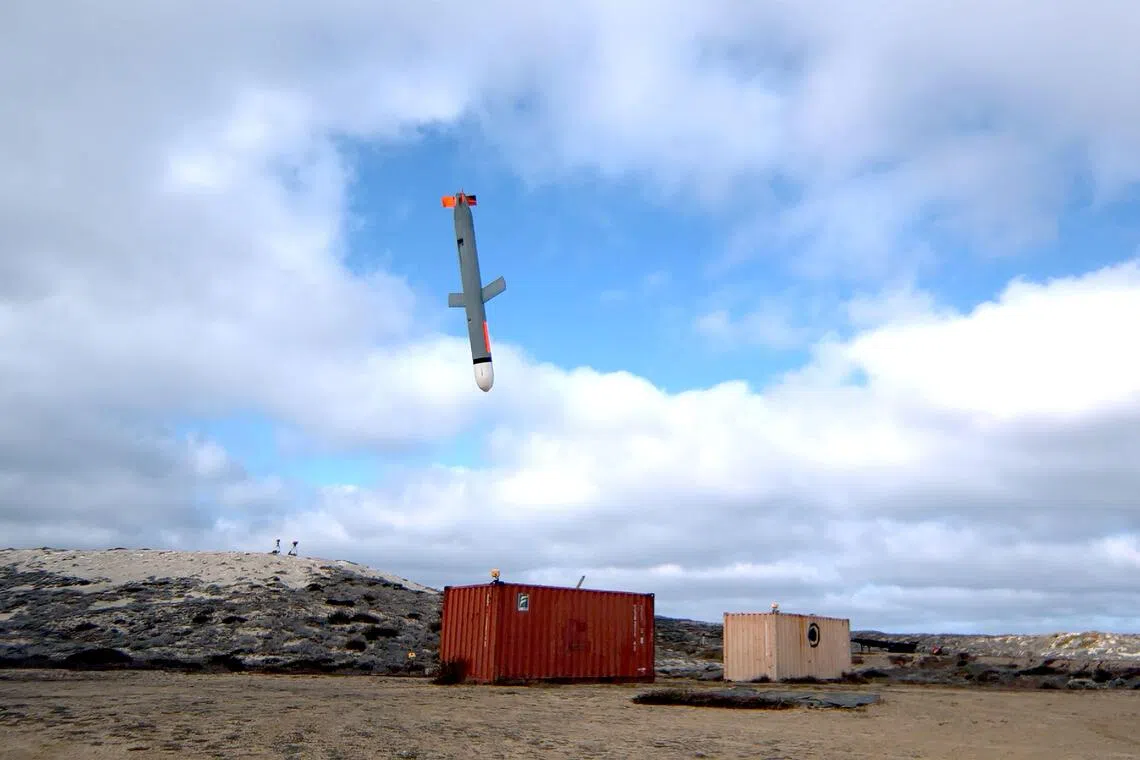
- Kim Yo Jong warned on August 5 that North Korea would set up 'additional military options' against Japan, following Japan's first live-fire test of a U.S.-supplied Tomahawk cruise missile launched from the Aegis destroyer Chokai in the Pacific Ocean on July 29.
- Kim accused Japan of accelerating into a 'war state' and entering 'the stage of the actual act' of preemptive attack capability, citing both the Tomahawk test and Tokyo's participation in a U.S.-led joint military drill in the Philippines in May.
- Japan's shift toward long-range strike capability dates to December 2022, when Tokyo revised three key security documents to adopt 'counterstrike capability' and approved the purchase of 400 Tomahawk missiles from the United States, with deliveries beginning this year.
- Kim also singled out Washington, stating 'it is not a secret that the U.S. has handed over Tomahawk long-range cruise missiles to Japan, remodeled a warship to be used in its operation, and provided all conditions and environment for its test-fire.'
- Kim dismissed Japan's self-described posture as a 'peace-loving state' while branding neighboring countries' defense measures as 'threat' and 'provocation,' calling it 'a camouflaged tactic to cover up its ambition for a military giant.'
- Japan's Defense Ministry has cited North Korea's military activities as part of its own justification for the buildup, warning in its latest defense white paper that they 'pose an even more grave and imminent threat to Japan's national security than ever before.'
Why it matters: Japan has moved from policy to physical demonstration of long-range strike capability, with 400 Tomahawks now being delivered, while Kim Yo Jong's formal threat of 'additional military options' signals a rhetorical escalation Pyongyang hasn't previously stated this directly. Critically, Kim explicitly tied U.S. enabling of the test to her warning, dragging Washington directly into the confrontation rather than limiting it to a bilateral North Korea-Japan dispute.
Ask SkimNews