IMF: Oil shocks widen rich-poor nation gap — SkimNews
Get the Energy newsletter
Daily energy & climate — solar, EVs, oil, the policy fights and tech bets shaping the transition. Free.
- IMF reported that war-induced oil price surges are disproportionately harming poorer countries, accelerating a divergence in economic growth between advanced and developing economies through the early 2030s
- Poor countries importing fossil fuels face heightened economic vulnerability as high fuel prices reduce tax revenues, increase borrowing costs, and limit government spending on public needs
- Vietnam saw electric moped and motorcycle sales nearly double after the Iran war began, now making up 28% of new two-wheel vehicle sales, reflecting grassroots energy resilience efforts
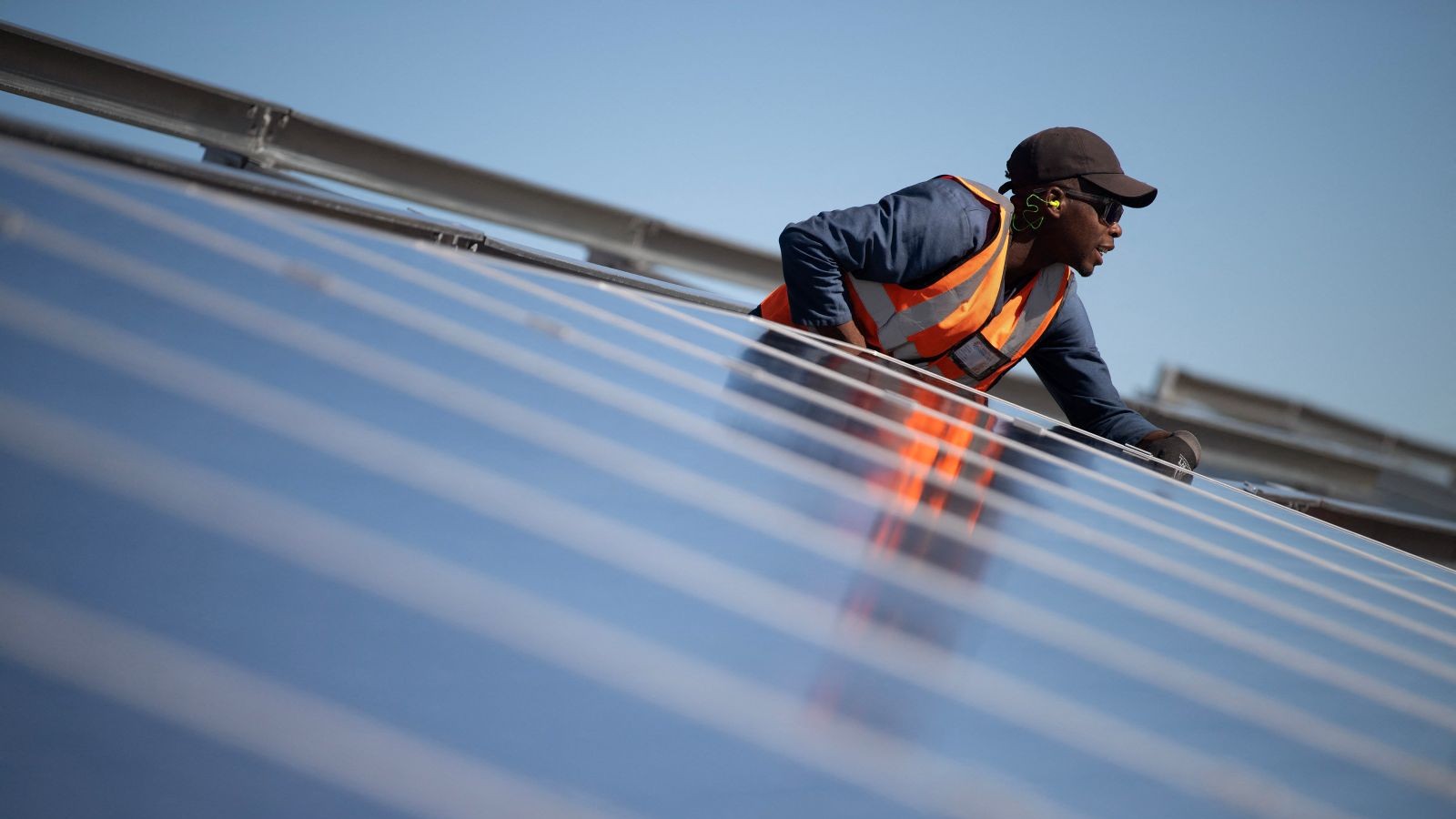
- Pakistan doubled its electricity capacity via rooftop solar in two years, which helped stabilize prices during the Middle East conflict and shielded it from shocks felt after Russia’s 2022 Ukraine invasion
- Ethiopia has rapidly expanded electric vehicle adoption but operates with only 13 public charging stations and suffers blackouts, exposing the risks of uncoordinated energy transitions
- World Bank abandoned its climate lending goal in June, following pressure from the U.S. to refocus away from climate issues, reducing institutional support for clean energy infrastructure in poor nations
- Shekhar Aiyar noted at a Center for Global Development event that developing countries face a downward spiral of slowing growth and reduced bilateral aid, undermining long-term stability
Why it matters: Poor countries are bearing the brunt of global energy shocks with less capacity to respond, while wealthier nations benefit from AI growth and diversified energy systems. The lack of coordinated funding and infrastructure planning risks locking developing economies into deeper debt and energy instability, even as grassroots adoption of renewables shows viable pathways forward.
Ask SkimNews