India's Gen Z Protests Force Education Minister to Resign — SkimNews
Get the Geopolitics newsletter
Daily geopolitics — wars, elections, sanctions, the diplomatic moves that move markets. Free.
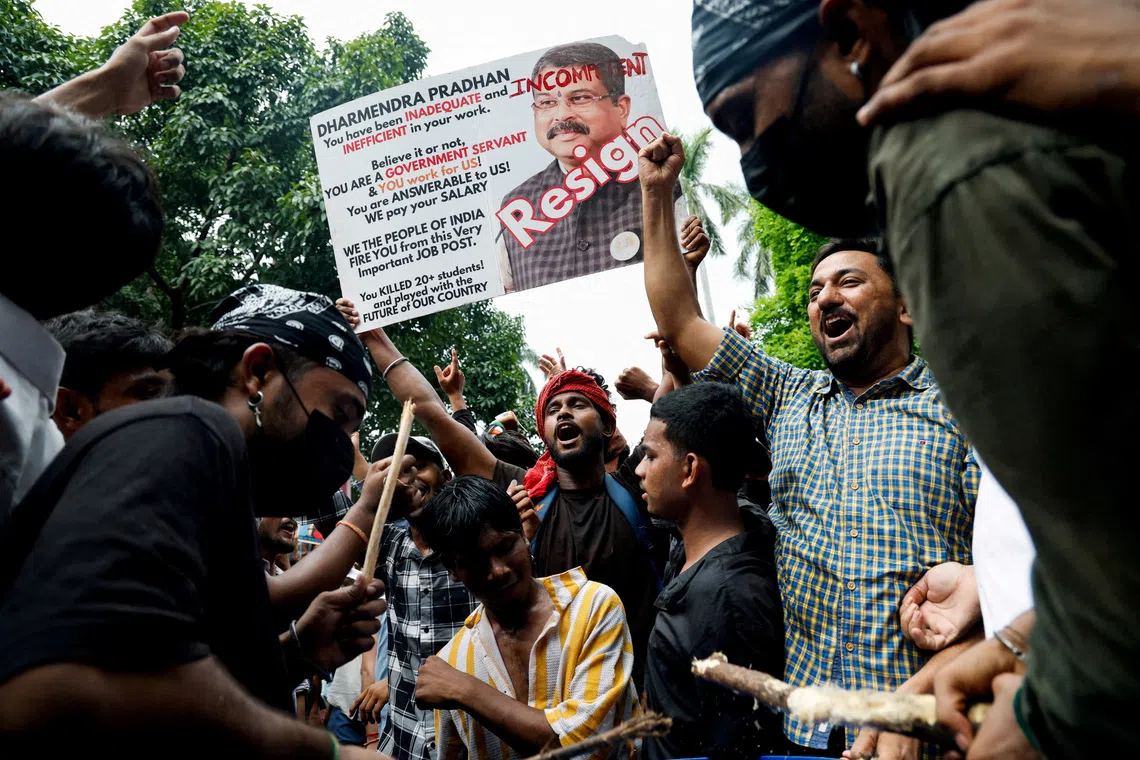
- Dharmendra Pradhan resigned as India's education minister on Saturday, only the second cabinet minister to quit in 12 years of Modi's rule, after more than a week of intense youth-led street protests.
- The protests erupted in May after the NEET medical entrance exam was cancelled due to a question paper leak, forcing nearly 2 million students to retake the test; more than 20 students died by suicide following the scandal, with families blaming the controversy.
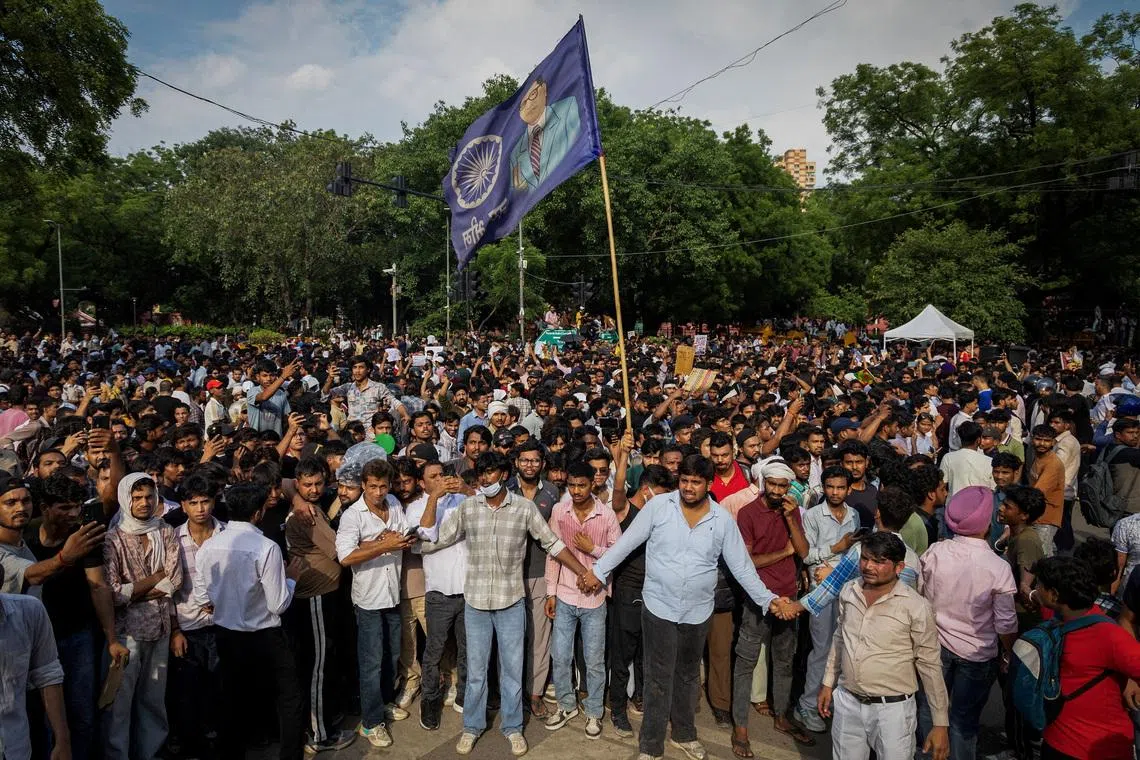
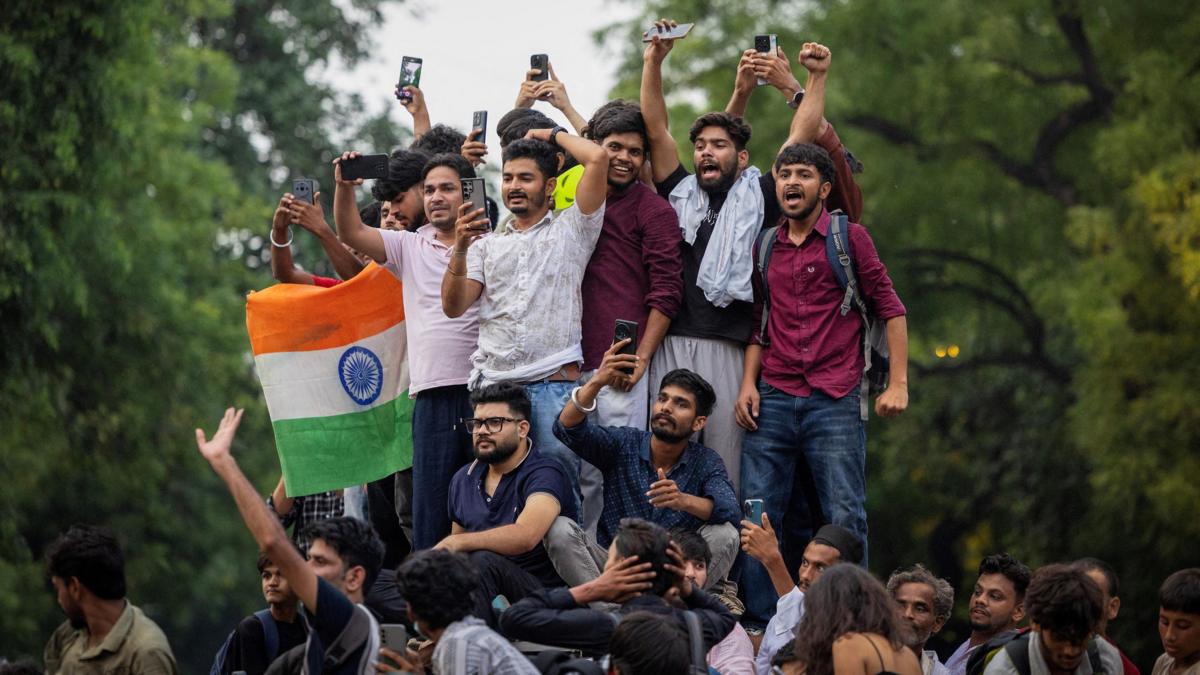
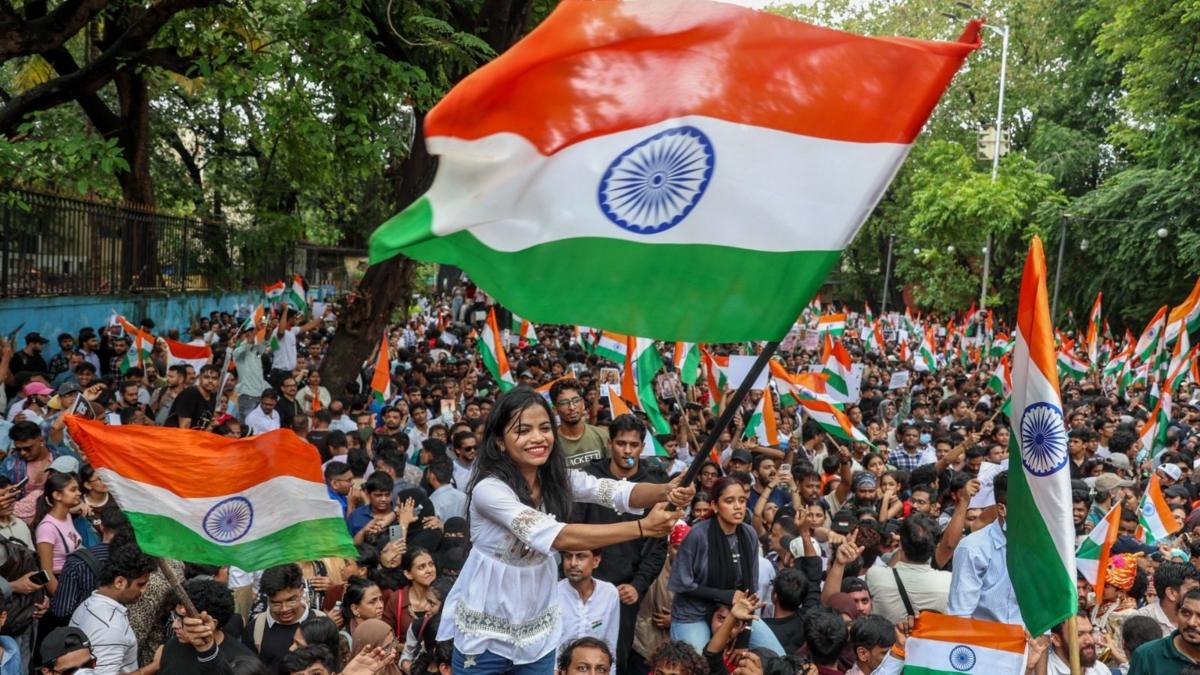
- The satirical Cockroach Janta Party (CJP) — an online campaign born after India's chief justice likened unemployed people to cockroaches — channelled the outrage with a Delhi sit-in; the movement surged on 18 July when Delhi police forcibly removed hunger-striking educator Sonam Wangchuk, triggering a tens-of-thousands-strong march on parliament two days later.
- India's youth unemployment (ages 15–29) rose to 16.2% in June from 13.8% a year earlier, and a 2026 Azim Premji University study found fewer than 7% of jobseekers secured permanent salaried work within a year — context protesters link to education privatisation and a broken exam system.
- Police have charged more than 100 protesters with offences including attempted murder and arrested over 40, despite the government's pledge not to act against demonstrators; Human Rights Watch says authorities have "routinely prosecuted activists, journalists, and peaceful protesters on fabricated counterterrorism and hate speech laws" under Modi.
- An Instagram reel by 18-year-old Harshvardhan Kadam showing a Mumbai policeman threatening to frame him in a fake drugs case has been viewed 10 million times — the constable has since been suspended — illustrating how the government "missed Instagram" as the protests' primary platform.
- Protesters see the resignation as a beginning, not an end: graffiti at protest sites reads "Pradhan was just an example. It's Modi's turn next," and one detained activist, 26-year-old Somaya Korde, told the BBC "this is not the end, but just the beginning".
Why it matters: Pradhan's ouster is the first time in 12 years that street protests have forced a Modi cabinet minister out, and it comes against a jobs crisis — 16.2% youth unemployment, fewer than 7% of graduates in permanent salaried work — that activists say flows from a broken exam system (the NEET paper leak, 20+ student suicides) and education privatisation. With protesters already declaring "Modi's turn next" and over 100 demonstrators charged including for attempted murder, the government faces a generational movement politically empowered by a platform (Instagram) it admits it doesn't control.
Ask SkimNews