Kim Jong Un Refuses US Talks Amid Russian Aid — SkimNews
Get the Geopolitics newsletter
Daily geopolitics — wars, elections, sanctions, the diplomatic moves that move markets. Free.
- U.S. and South Korean governments have expressed unprecedented flexibility, indicating willingness to put denuclearization on the back burner in favor of arms‑control negotiations aimed at tangible risk reduction.
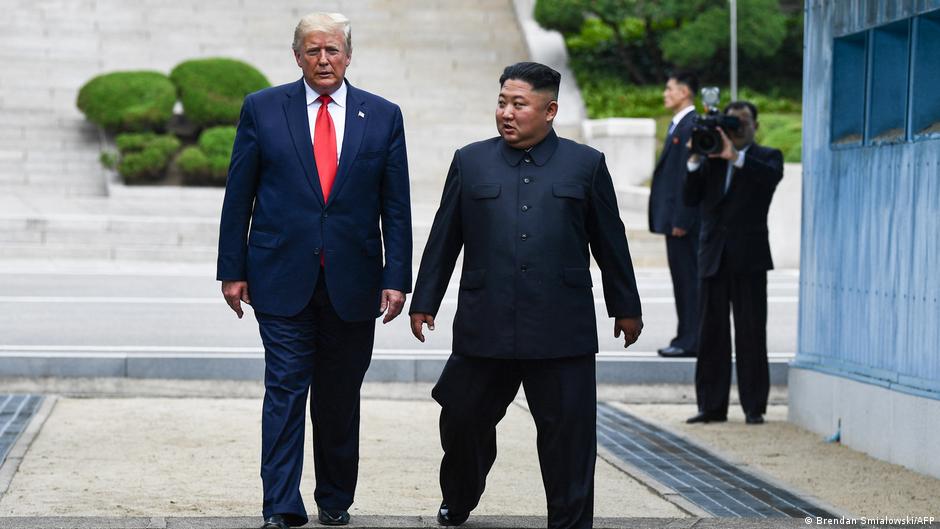
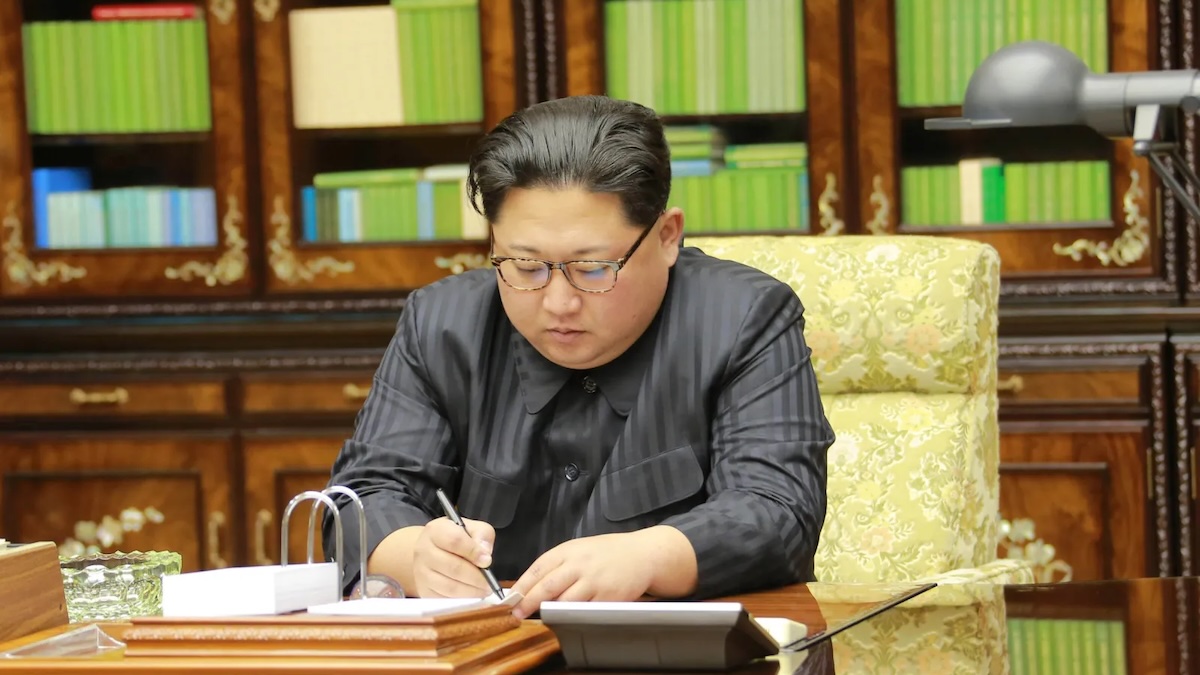
- Kim Jong Un has stated he will only sit “face to face” with Washington if the United States abandons its “absurd pursuit” of denuclearization.
- Steve Biegun explained that North Korea controls the tempo of talks, making its foot‑dragging strategic rather than tactical.
- Russia has provided up to $14 billion and assistance to North Korea’s illicit weapons programs since its invasion of Ukraine, reviving the regime’s economy and military.
- South Korea central bank estimates North Korea’s real GDP grew by 3–4 % in 2023 and 2024 after years of stagnation.
- Chicago Council on Global Affairs poll (Oct 2025) found three‑quarters of Americans support another Trump‑Kim meeting, but at least half want preconditions such as halting missile tests or agreeing to denuclearization.
- U.S.-South Korean alliance typically thinks in 4‑5‑year cycles, while Kim Jong Un plans on a 10‑year horizon focused on legacy and succession.
Why it matters: The United States and South Korea gain a clearer path to manage North Korea’s nuclear threat through arms‑control talks, while Pyongyang retains leverage and economic gains from Russian assistance; the stalemate persists, limiting immediate risk‑reduction progress and forcing policymakers to reconsider the efficacy of denuclearization as a primary objective.
Ask SkimNews