Iran says it is in talks with Oman but not the US after Trump says negotiations to resume — SkimNews
Get the Geopolitics newsletter
Daily geopolitics — wars, elections, sanctions, the diplomatic moves that move markets. Free.
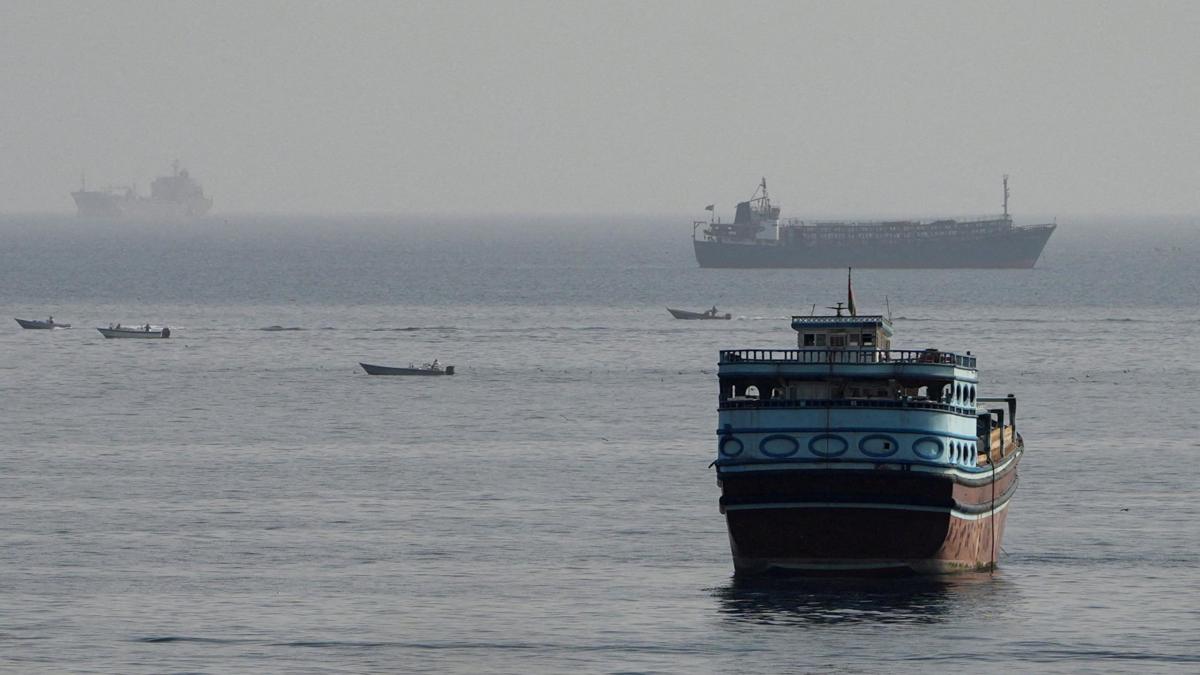
- Iran's foreign ministry said Tehran is negotiating with Oman to reach 'an understanding over a path to ensure the security of shipping passage through the Strait of Hormuz,' and explicitly denied any talks with the US.
- Trump said on Air Force One that the planned strikes would have been 'the biggest attack since World War Two,' that Iran 'knew the extent' of the operation, and that negotiations would begin 'tomorrow afternoon' — without naming participants or a deadline.
- Iran's Mehr news agency dismissed Trump's account as 'nothing but a new lie,' denying Tehran asked the US to hold off on military action.
- Saudi Crown Prince Mohammed bin Salman, along with the UAE and Qatar, urged Trump against weekend strikes because 'there's a deal on Hormuz, and there will be a deal on the nuclear,' Trump said.
- Oil prices dropped Monday in Asia trading — Brent crude fell 4.5% to $83.98 and US-traded oil fell 4.6% to $80.74 — after Trump's announcement of called-off strikes and revived talks.
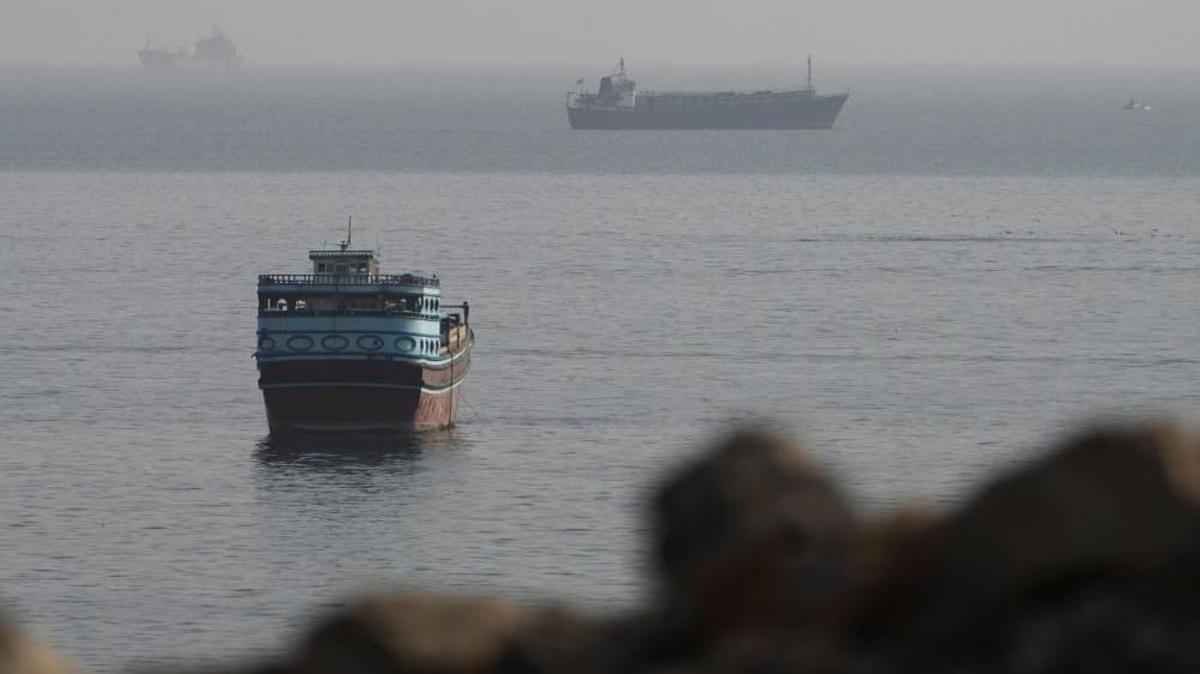
- Vessel traffic through the Strait of Hormuz fell roughly 28%, with 51 crossings between 30 July and 2 August versus 71 in the prior four days, according to Kpler tracking data.
- Trump declined to answer whether the called-off strikes targeted Iranian energy infrastructure, which international law experts have said could constitute a war crime.
Why it matters: The gap between Trump's deal language and Iran's flat denial — paired with a roughly 28% drop in Strait of Hormuz vessel traffic — shows neither side has a working channel, yet both are signaling to oil markets and Gulf allies that a breakthrough is imminent, raising the risk of another escalation cycle if talks collapse again.
Ask SkimNews