Bangladesh power sector losses hit $4.15B amid ghost capacity crisis

Get the Geopolitics newsletter
Daily geopolitics — wars, elections, sanctions, the diplomatic moves that move markets. Free.
- Bangladesh Power Development Board (BPDB) faces a projected $4.15 billion loss in FY2025 due to a structural tariff gap, up from $448 million in FY2015, as generation costs double revenue
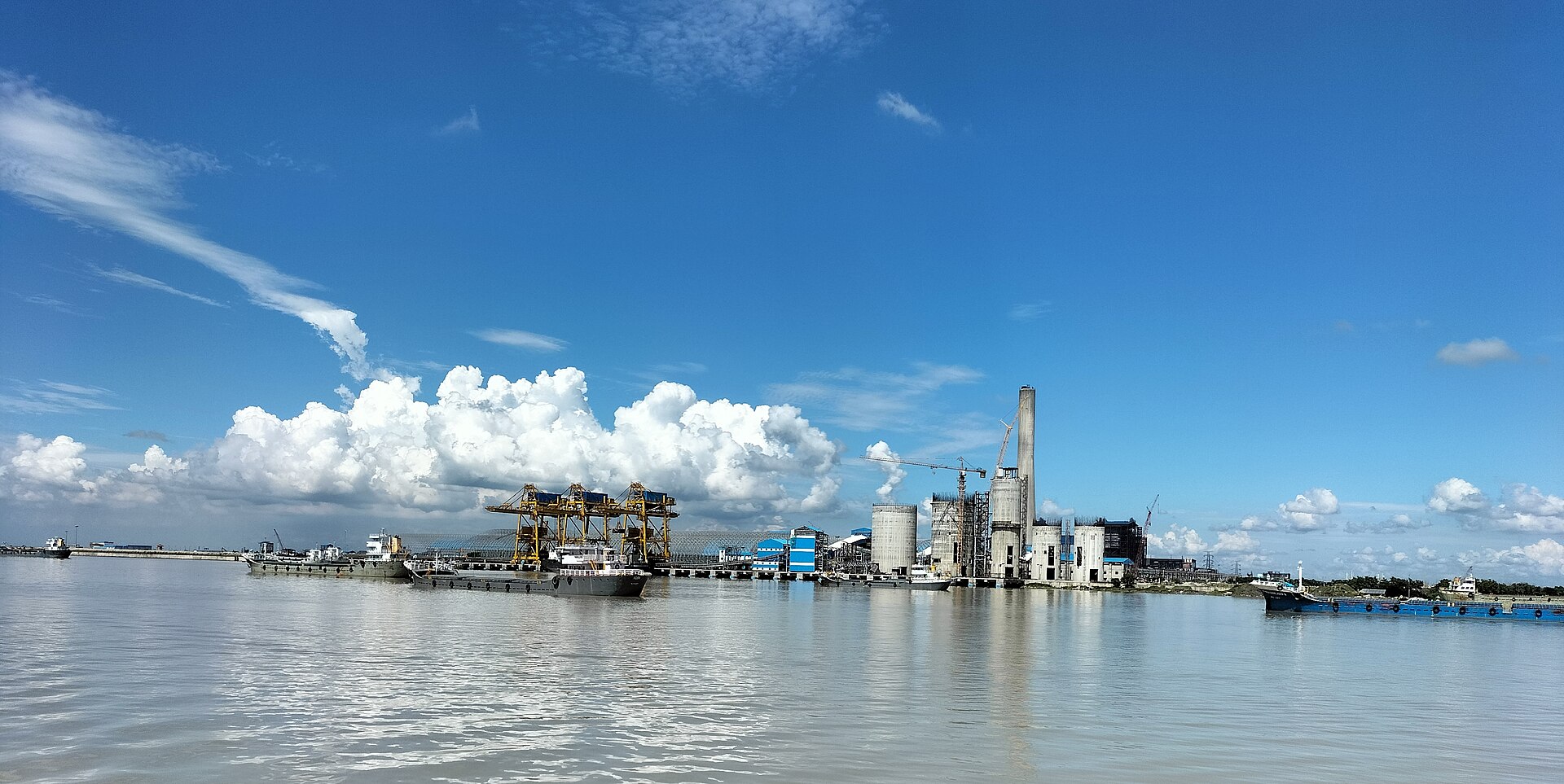
- Bangladesh expanded installed grid capacity from 5,000MW to over 30,000MW between 2009 and 2024, but a large portion remains idle 'ghost capacity' paid for via capacity charges
- Private power producers receive guaranteed 'capacity charges' even when plants are inactive, costing the state over $2.13 billion in FY2023 alone
- Rooppur Nuclear Power Plant, a $12.65 billion project built with Russian technology, highlights the gap between infrastructure ambitions and domestic technical and regulatory capacity
- Natural gas infrastructure continues to expand despite declining domestic production and reliance on expensive, volatile LNG spot markets, undermining fuel security
- The government injected $10.4 billion in subsidies between FY2020 and FY2024 to sustain the power sector, diverting funds from education, climate resilience, and economic development
Why it matters: Bangladesh is spending $10.4 billion in five years to sustain a power system that overpays for unused capacity while underinvesting in grid reliability and expertise. This misallocation risks macroeconomic stability in a low-tax country where every dollar diverted weakens long-term development and increases dependency on foreign consultants and fuel markets.
Ask SkimNews