Power sector strained by quality erosion in grid equipment — SkimNews
Get the Energy newsletter
Daily energy & climate — solar, EVs, oil, the policy fights and tech bets shaping the transition. Free.
- Global electricity supply chains operate with vanishing buffers, as transformer lead times exceed two years and manufacturers run at full capacity amid thin inventories and slow expansion.
- Critical materials such as copper, grain-oriented electrical steel, insulation polymers, and transformer oils face cost spikes and logistical fractures, even without outright shortages.
- Shipping and manufacturing networks are buckling under longer routes, rising insurance premiums, and congestion, extending delivery timelines across the power infrastructure sector.
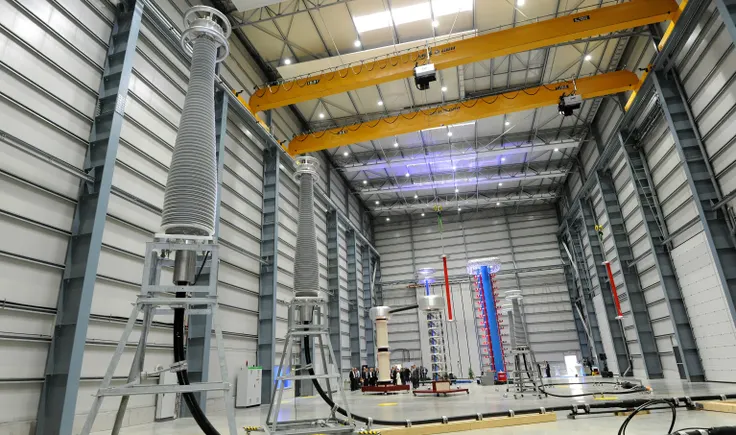
- KEMA Labs identifies a widening gap between nominal compliance and proven performance, with a notable share of equipment failing initial certification tests for transformers and switchgear.
- Quality erosion emerges as a silent risk, as buyers loosen supplier standards and accelerate procurement amid delays, risking long-term grid instability from latent equipment failures.
- Independent testing becomes a critical safeguard, with rigorous type testing offering one of the few mechanisms to maintain quality as procurement pressures mount.
Why it matters: Grid operators and utilities now face higher risks of long-term infrastructure failure because equipment passing on paper increasingly fails under real-world conditions—meaning today’s cost and delay pressures could trigger outages and costly repairs years later, even if immediate supply holds.
Ask SkimNews