NYC Workers Build Heat Safety Net Without Federal Rule — SkimNews
Get the Energy newsletter
Daily energy & climate — solar, EVs, oil, the policy fights and tech bets shaping the transition. Free.
- Dave Carew, a UPS worker of 13 years, set up an information booth with thermometers and pamphlets outside a Bronx customer center two days before the Fourth of July, reminding coworkers of their right to paid heat breaks as temperatures headed toward 100°F
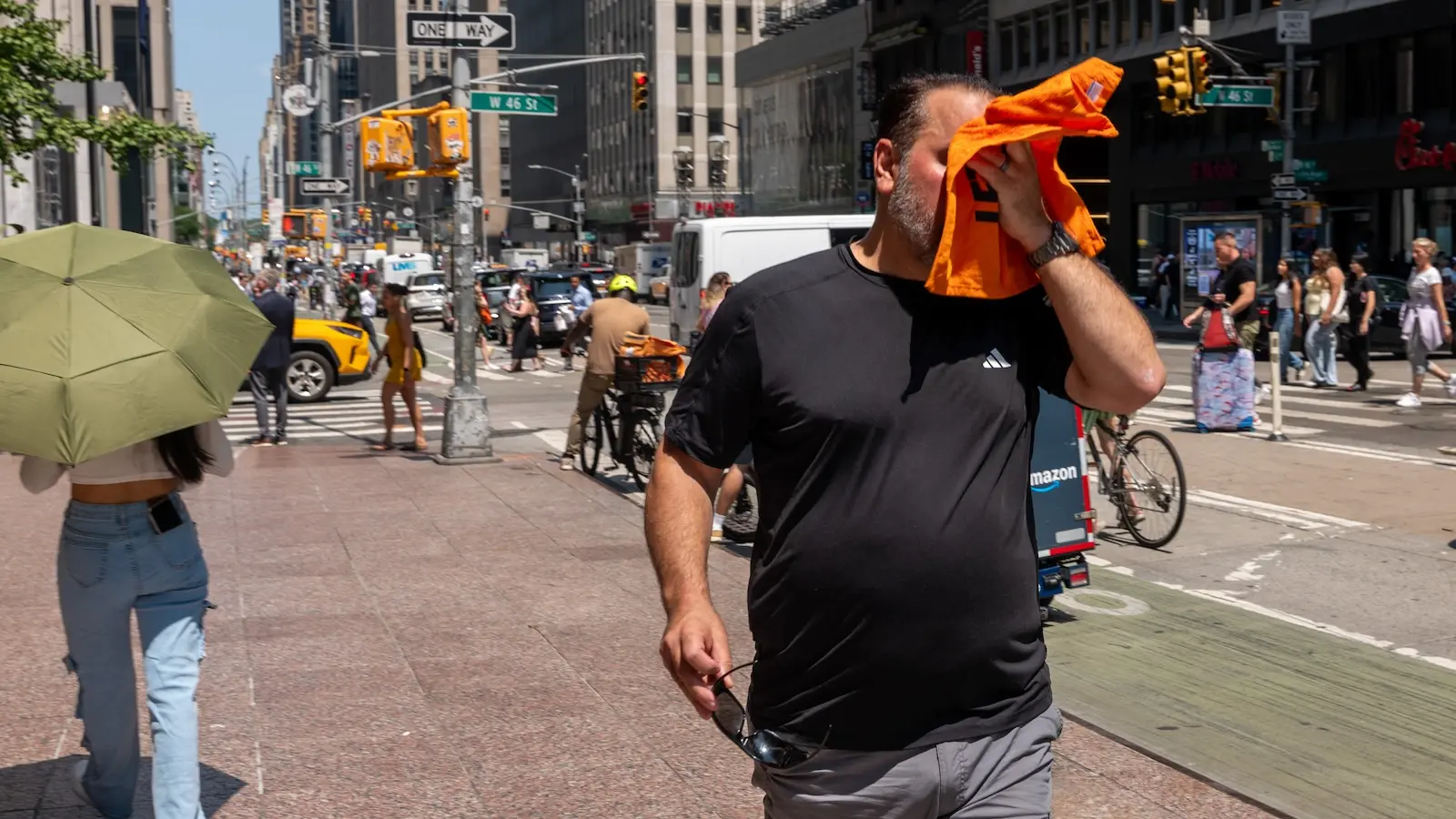
- Mayor Zohran Mamdani signed a first-of-its-kind executive order last month to protect outdoor workers from heat illness, then rolled out hundreds of cooling centers and more than a dozen outreach vans for the July 4th heat wave
- The Teamsters began "aggressively" enforcing UPS contract heat protections last year through parking-lot safety meetings, webinars, and tool kits — the first summer without widely reported heat-related deaths at UPS followed
- Biden's proposed federal heat rule has stalled under the Trump administration, leaving states and municipalities to write their own standards as climate change pushes summer temperatures higher
- The Street Vendor Project, representing over 3,000 NYC vendors, is working with city health and emergency management agencies on a multilingual heat safety campaign in Spanish, Arabic, Bangla, French, and Mandarin
- App-based delivery workers face wage penalties when they slow down for water breaks, and street vendors risk theft of their goods or lost income if they step away from their stations — structural barriers that make cooling centers and breaks difficult to actually use
Why it matters: The structural barriers are the story: app-based delivery platforms dock pay for water breaks, and self-employed street vendors cannot leave carts unattended, so even hundreds of newly deployed cooling centers may sit empty. With Biden's federal heat rule stalled under Trump, New York City is the first major municipality to act, and the 3,000+ vendors in the Street Vendor Project alone illustrate the scale of multilingual outreach now required to reach the workers most exposed to a warming climate.
Ask SkimNews