Indigenous leaders link climate, conflict at UN Geneva — SkimNews
Get the Energy newsletter
Daily energy & climate — solar, EVs, oil, the policy fights and tech bets shaping the transition. Free.
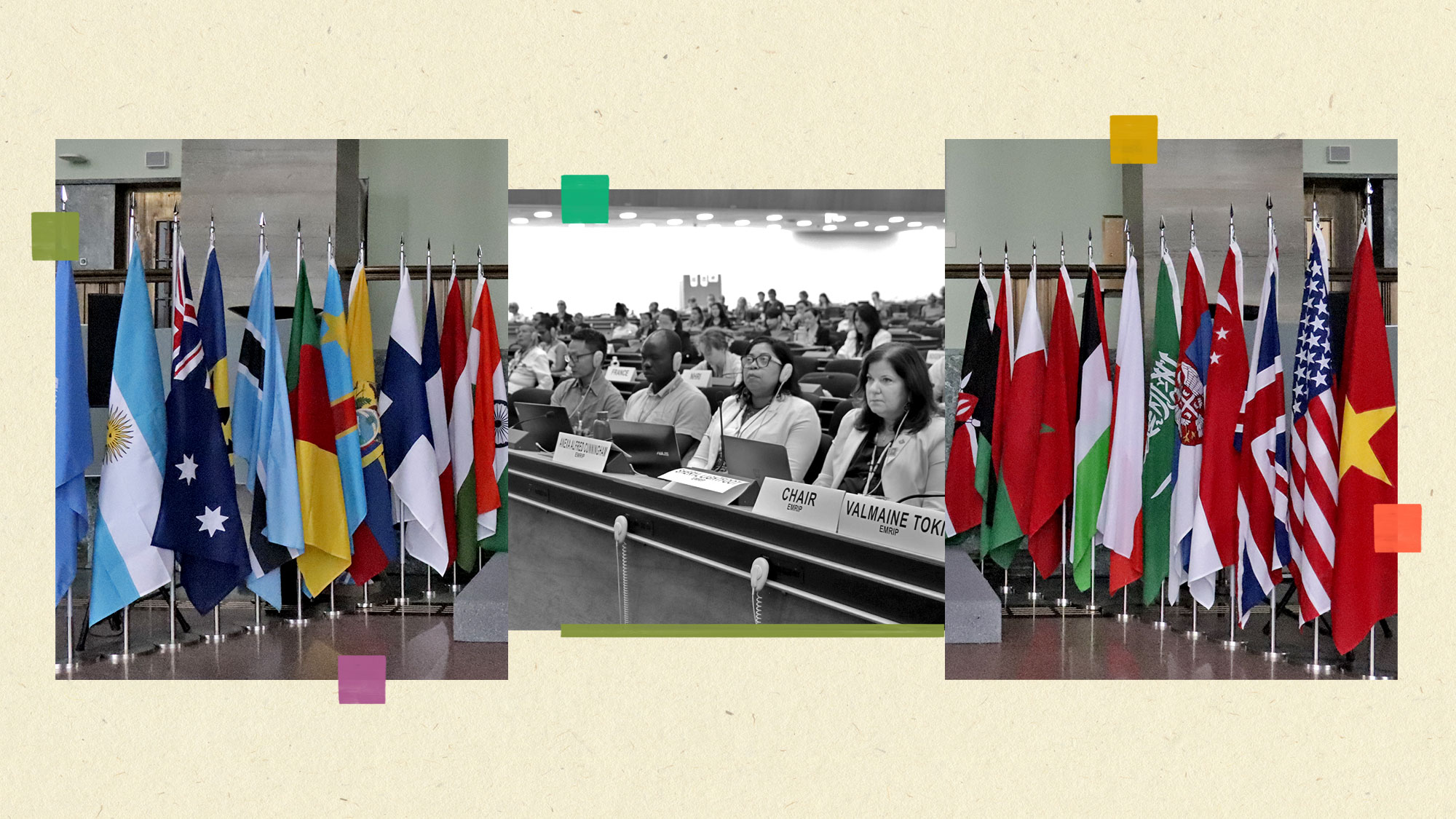
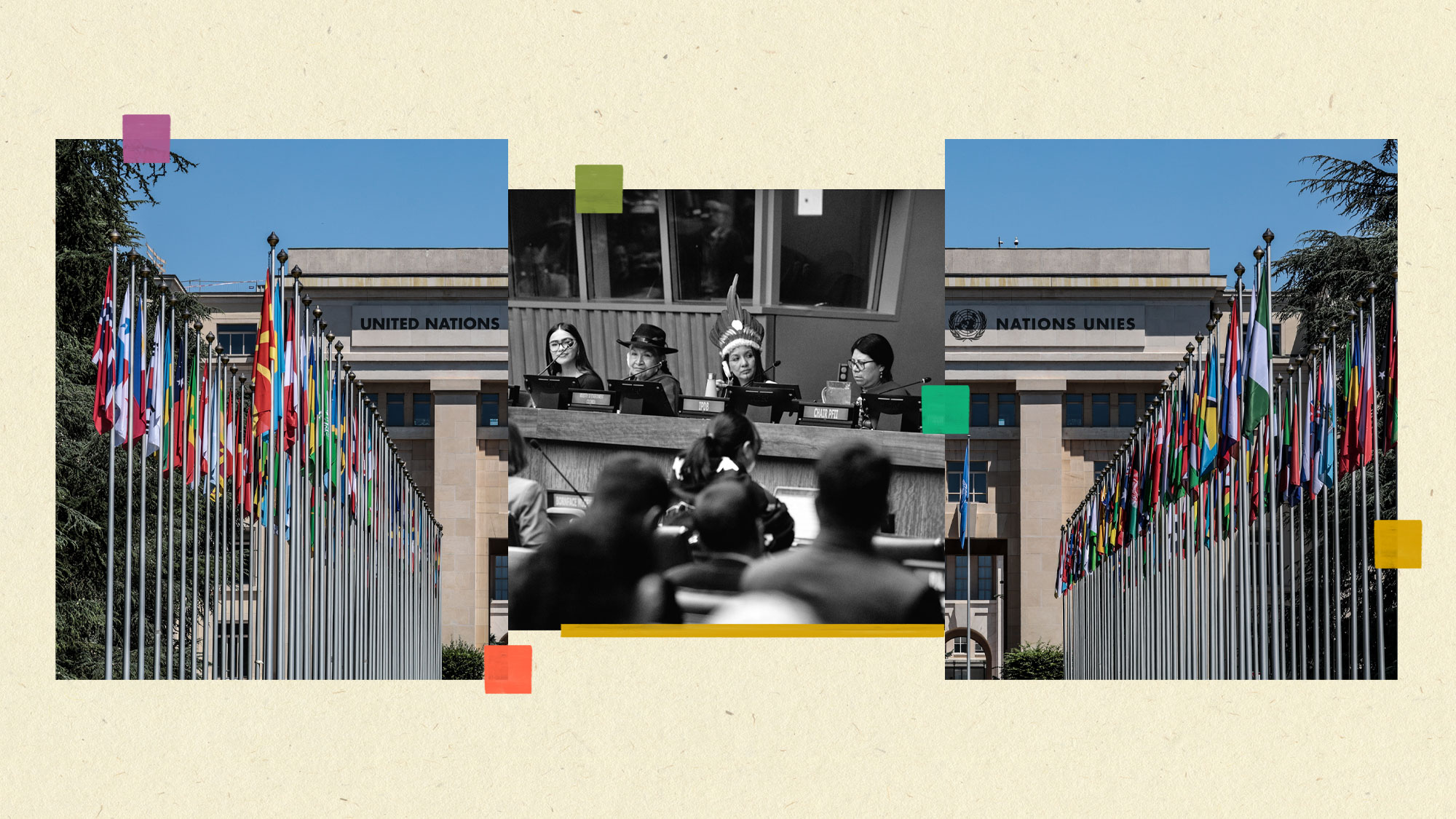
- EMRIP's 19th annual session in Geneva convenes hundreds of Indigenous delegates alongside seven regional experts under the UN Human Rights Council to push implementation of the UN Declaration on the Rights of Indigenous Peoples, nearly 20 years after its 2007 adoption.
- Former EMRIP chair Binota Moy Dhamai of Bangladesh's Chittagong Hill Tracts said climate change, militarization, extractivism, and legal marginalization "reinforce one another," framing this year's agenda around their intersections.
- Pacific EMRIP member Valmaine Toki described the situation as a "lose-lose" for Indigenous peoples, who face dispossession from traditional lands during armed conflicts while being drawn into those same fights.
- New Caledonia's Kanak people are using a recent International Court of Justice advisory opinion holding climate-polluting countries accountable as a tool in their decolonization fight, 170 years after colonization began.
- Canada's Ring of Fire mining project in northern Ontario's "Breathing Lands" — a major carbon sink and biodiversity hub holding vast nickel reserves — is proceeding despite opposition from Nishnawbe Aski Nation, which represents 49 First Nations communities.
- Botswana's Nama people, who lack legal recognition in their own country, are using EMRIP as a rare international platform to pressure their government on forced assimilation and displacement.
- EMRIP members are pushing for guidance on emerging threats including artificial intelligence and data sovereignty, arguing that Indigenous perspectives must shape international standards rather than respond to them.
- The approaching 20th anniversary of UNDRIP next year has delegates returning to the same central question raised in 2007: not whether Indigenous rights should be recognized, but whether governments are prepared to uphold them.
Why it matters: Indigenous communities simultaneously face existential climate threats and active armed conflict while extractive industries continue operating on their lands — in Canada's case, over carbon-sink wetlands despite First Nations opposition. With UNDRIP's 20th anniversary approaching, this Geneva session tests whether two decades of rights declarations translate into enforcement against both longstanding threats like mining and emerging ones like AI.
Ask SkimNews