Study: Indigenous stewardship drives land health — SkimNews
Get the Energy newsletter
Daily energy & climate — solar, EVs, oil, the policy fights and tech bets shaping the transition. Free.
- Conservation International released a report finding that traditional knowledge, community protocol, and Indigenous culture directly protect forests, wildlife, and the environment, countering the misconception that Indigenous lands are healthy simply because they are remote.
- Lead author Sushma Shrestha, Indigenous Newar from Nepal, said the study shows the health of Indigenous lands and their carbon storage stem from the stewardship of the people who inhabit them, not from low population density.
- Researchers interviewed 49 Indigenous leaders from six continents — spanning the Amazon rainforest, East African savannas, and Pacific Islands — and found that 96% of respondents had land set aside for special uses like spiritual practices that also protect ecosystems.
- All 43 surveyed communities are experiencing drought, extreme weather, and other adverse climate impacts, while 61% also cited mining, commercial agriculture, and logging as serious concerns threatening their stewardship practices.
- Indigenous communities are asking for mitigation and resilience funding, legal advice to protect their territories, and recognition of national and international land rights, with respondents from Bolivia, Mexico, and the Philippines describing community monitoring and patrols against outside incursions.
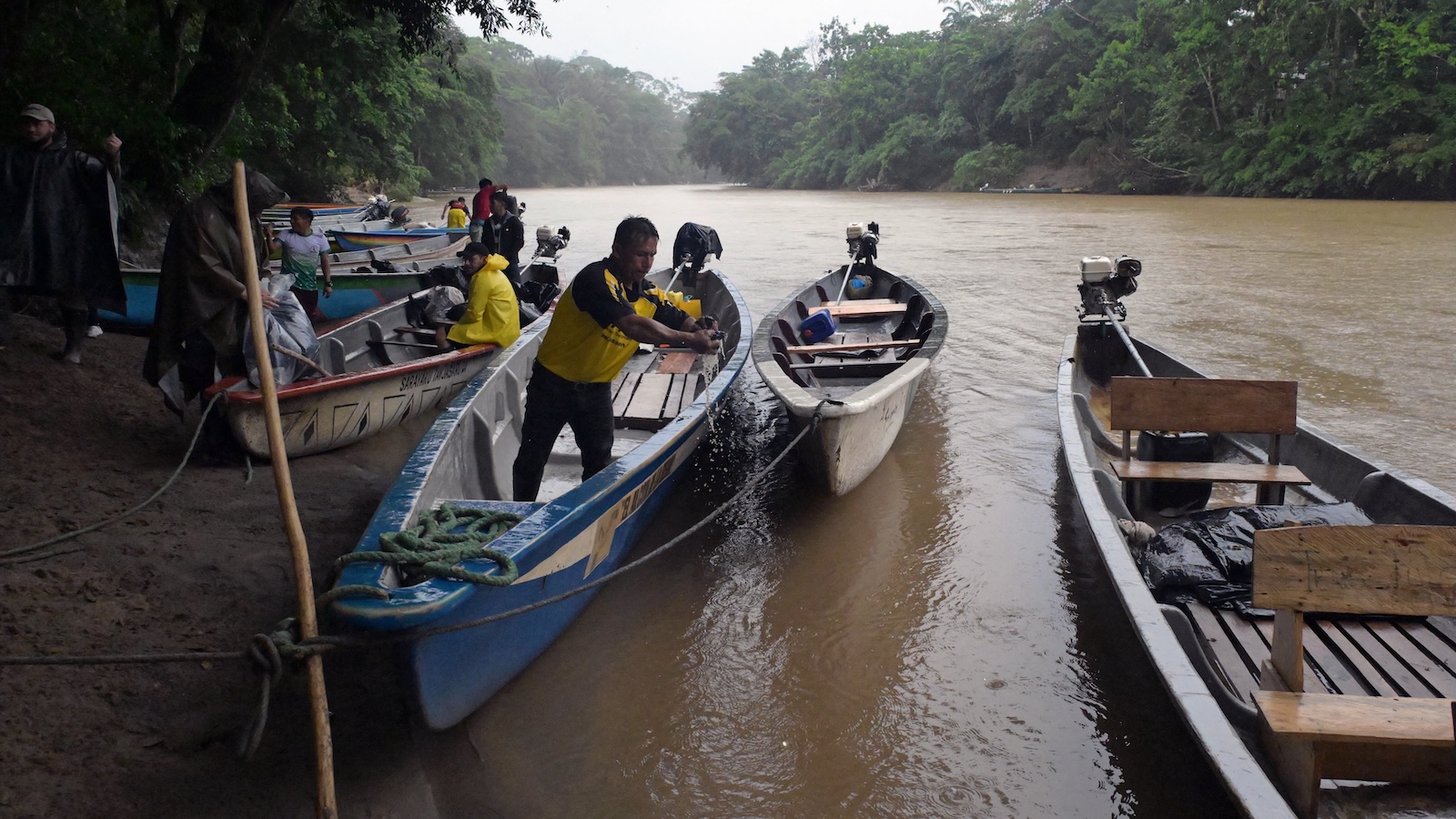
- Specific traditional practices highlighted include the Kichwa people of Ecuador restricting hunting of female tapirs to slow population decline, and the Tacana people of Bolivia prohibiting tree clearing along rivers to maintain water quality and prevent erosion.
- Hindou Oumarou Ibrahim, Indigenous Mbororo from Chad and former chair of the UN Permanent Forum on Indigenous Issues, wrote in the report's foreword that Indigenous knowledge cannot exist without Indigenous peoples or their ecosystems, urging recognition and land rights protections.
Why it matters: With all 43 surveyed Indigenous communities already hit by drought and extreme weather and 61% facing extractive-industry incursions, the report argues that securing Indigenous land rights is both a climate imperative and a prerequisite for preserving the stewardship practices that store carbon on the planet's healthiest forests.
Ask SkimNews