Land Is Life report: Indigenous governance is proven climate fix — SkimNews
Get the Energy newsletter
Daily energy & climate — solar, EVs, oil, the policy fights and tech bets shaping the transition. Free.
- Land Is Life released a report during New York Climate Week based on more than 200 survey responses from 46 countries spanning forests, mountains, drylands, freshwater, grasslands, and coastal ecosystems, finding that over 80% of Indigenous respondents face two or more climate disasters simultaneously and over 90% reported rising frequency.
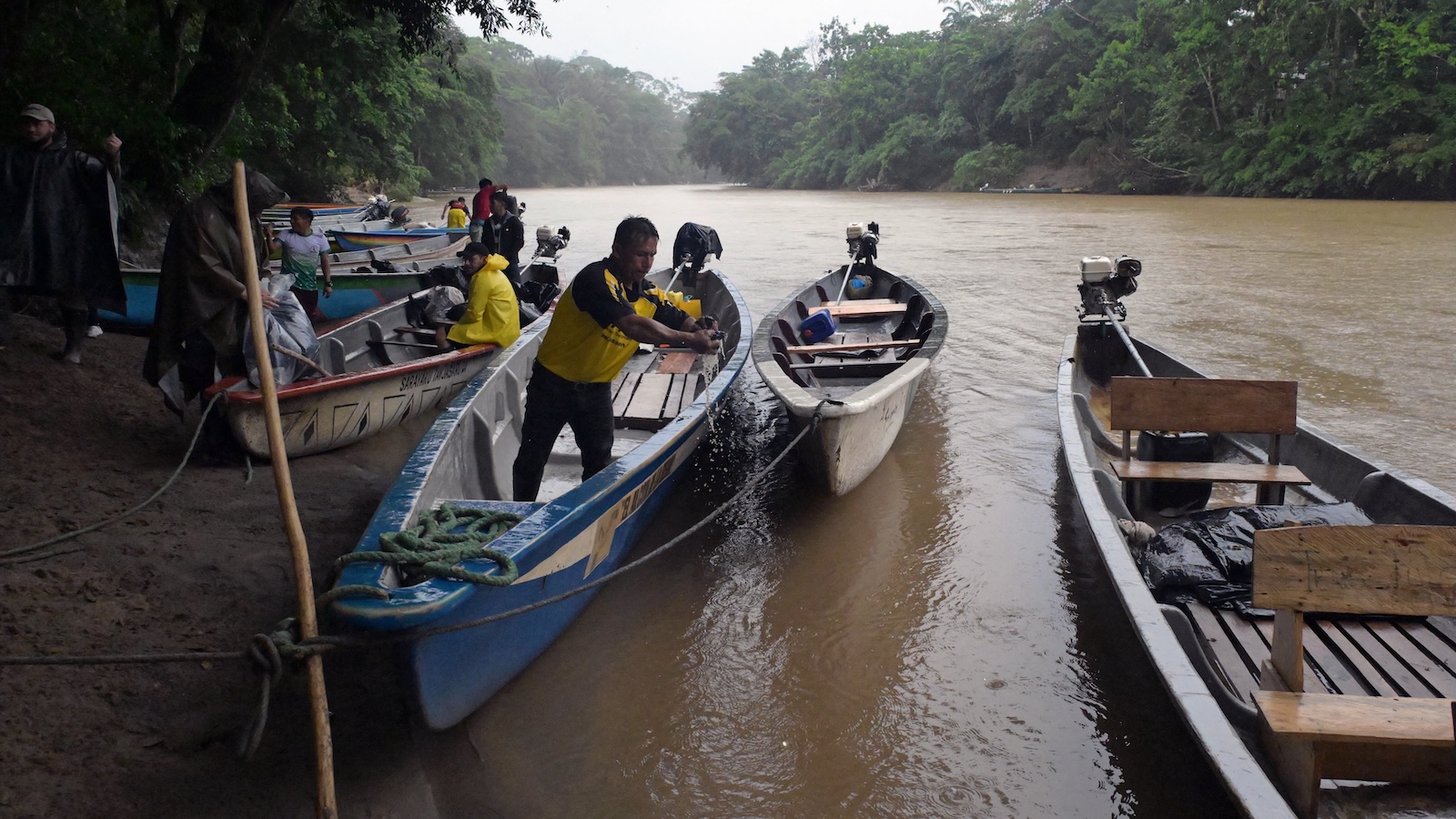
- The report documents specific successes: Kichwa People of Sarayaku in the Ecuadorian Amazon responded to devastating 2019 Bobonaza River floods through pre-existing governance structures and minga collective responsibility, with elders reading rain and lightning patterns at the headwaters to warn the community.
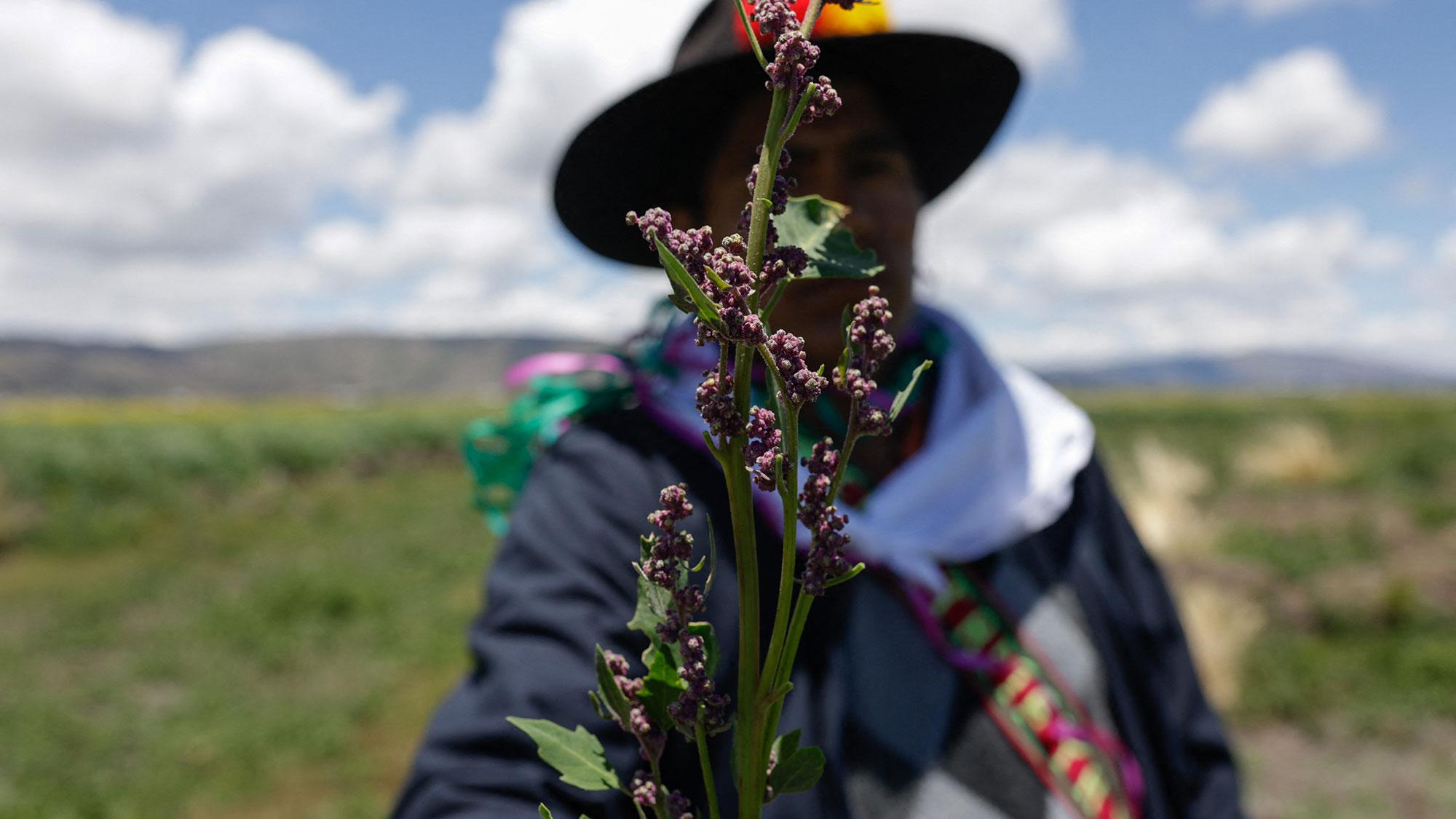
- Endorois and Tugen women in Kenya cultivated drought-resistant varieties of sorghum, millet, and other key foods that provided some of the region's only harvests in years of severe drought, while Brazil's Coordination of Indigenous Organizations of the Brazilian Amazon (COIAB) organized fire management, training, and response mobilization.
- The report argues that supporting Indigenous governance through legal recognition, financing, and partnerships is the best way to reduce global climate disaster risk, and identifies shortcomings in current strategies — short-term focus, rejection of self-governance, and celebrating Indigenous knowledge without funding the people who provide it.
- Despite billions of dollars pledged worldwide, barely any funding is earmarked for Indigenous peoples, and Indigenous leaders say even earmarked money often doesn't reach them — a gap the report warns will worsen as the U.S. and Europe pull back from climate commitments and wars in Iran and Ukraine strain global resources.
- Luisa Castañeda Quintana, Land Is Life's executive director, said existing Indigenous solutions are already effective: "When it comes to adaptation, we don't really need to create new structures or systems. We just need to see what is working."
Why it matters: Released during NY Climate Week with a direct call for flexible, direct financing, the report lands at a moment when 90%+ of Indigenous respondents already report worsening disaster frequency and global resources are tightening — meaning the communities offering proven, ready-made solutions risk being structurally cut off from the funding meant to address the very crises they are already managing.
Ask SkimNews