Indigenous Leaders Deliver 12-Point UN Action Plan — SkimNews
Get the Geopolitics newsletter
Daily geopolitics — wars, elections, sanctions, the diplomatic moves that move markets. Free.
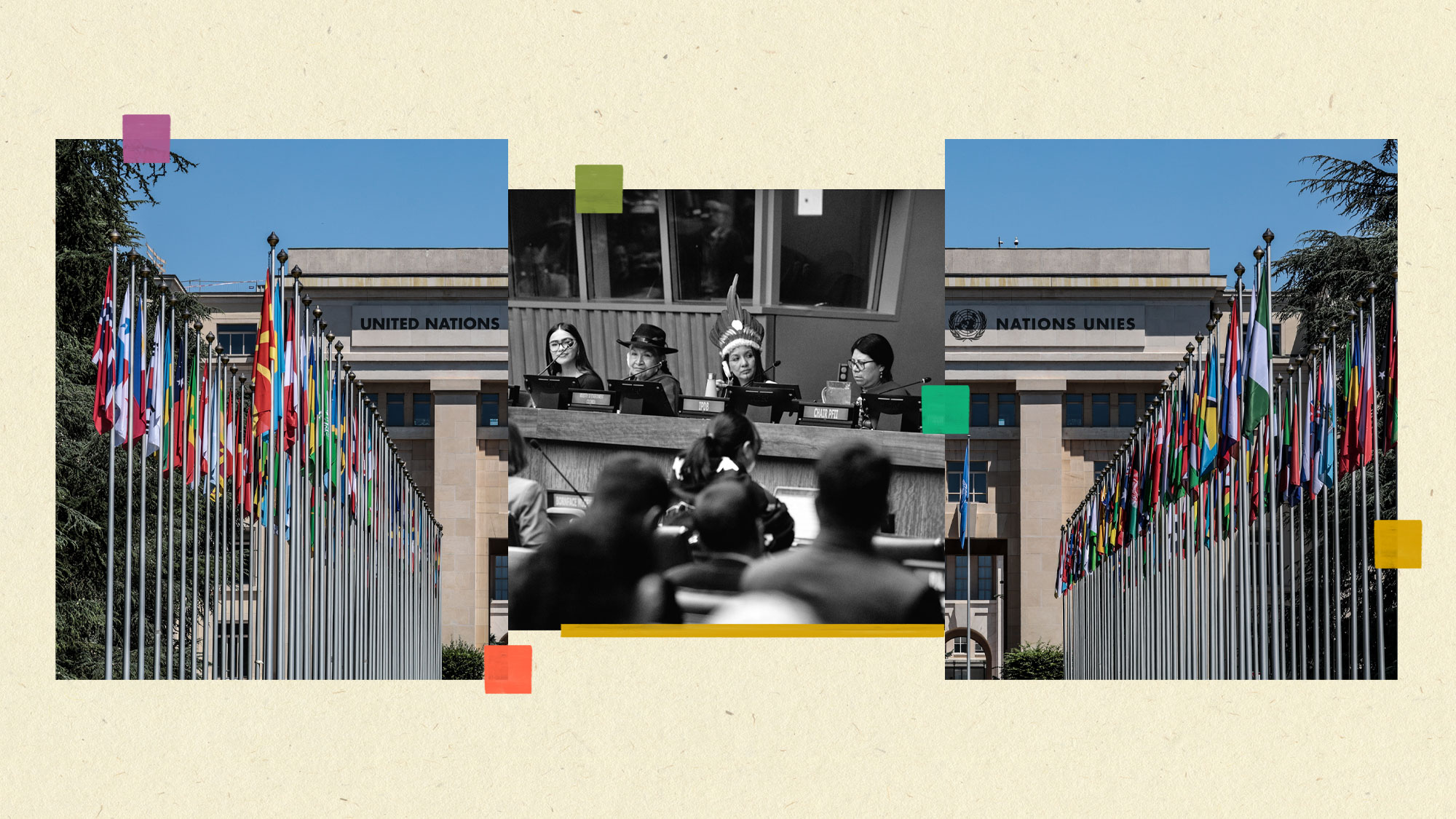
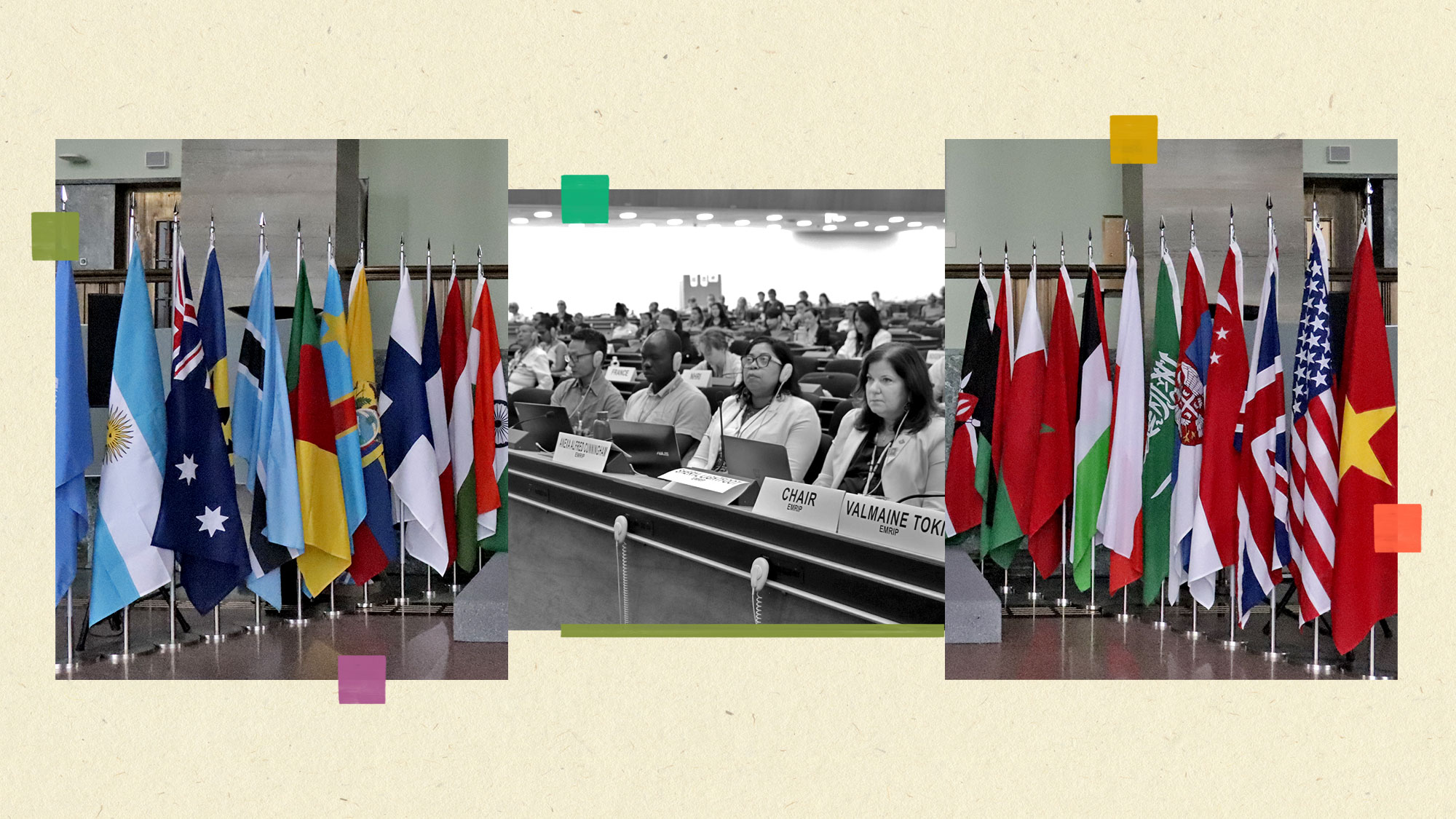
- Indigenous members of EMRIP finalized a 12-point proposal for the UN Human Rights Council calling for sweeping protections for Indigenous lands, rights, and cultures, including greater autonomy for Indigenous women and girls
- Sheryl Lightfoot, Anishinaabe and EMRIP’s North America region expert, emphasized the urgency of the moment, stating there is 'clearly no shortage of work' as threats to Indigenous peoples intensify globally
- Albert Barume, UN special rapporteur on the rights of Indigenous peoples, reported a global trend of 'stagnation and regression' in Indigenous rights protections, with few states enacting new measures and some actively dismantling existing frameworks
- Macy Duxfield, representing Māori nations in Aotearoa New Zealand, described her country’s Indigenous policies as regressive but affirmed the ongoing responsibility to continue ancestral advocacy work for future generations
- Marjolaine Étienne, Innu from Mashteuiatsh, warned that the UN Voluntary Fund for Indigenous Peoples—supporting only a small number of delegates—is critically underfunded, with just eight countries contributing and the U.S. absent from both it and the UN Trust Fund for Indigenous Peoples
- Cora McGuire-Cyrette, speaking for the Ontario Native Women’s Association, stressed that Indigenous communities 'have a right to action' and rejected using financial shortfalls as justification for weakening EMRIP’s mandate or reducing its engagements
Why it matters: With only eight countries funding the UN’s Indigenous Voluntary Fund and key advocacy bodies like EMRIP facing potential cuts, the ability of Indigenous peoples to influence global policy is at risk—undermining both their self-determination and the implementation of international commitments like the UN Declaration on the Rights of Indigenous Peoples.
Ask SkimNews