Indigenous Delegates Push for Equal UN Participation — SkimNews
Get the Energy newsletter
Daily energy & climate — solar, EVs, oil, the policy fights and tech bets shaping the transition. Free.
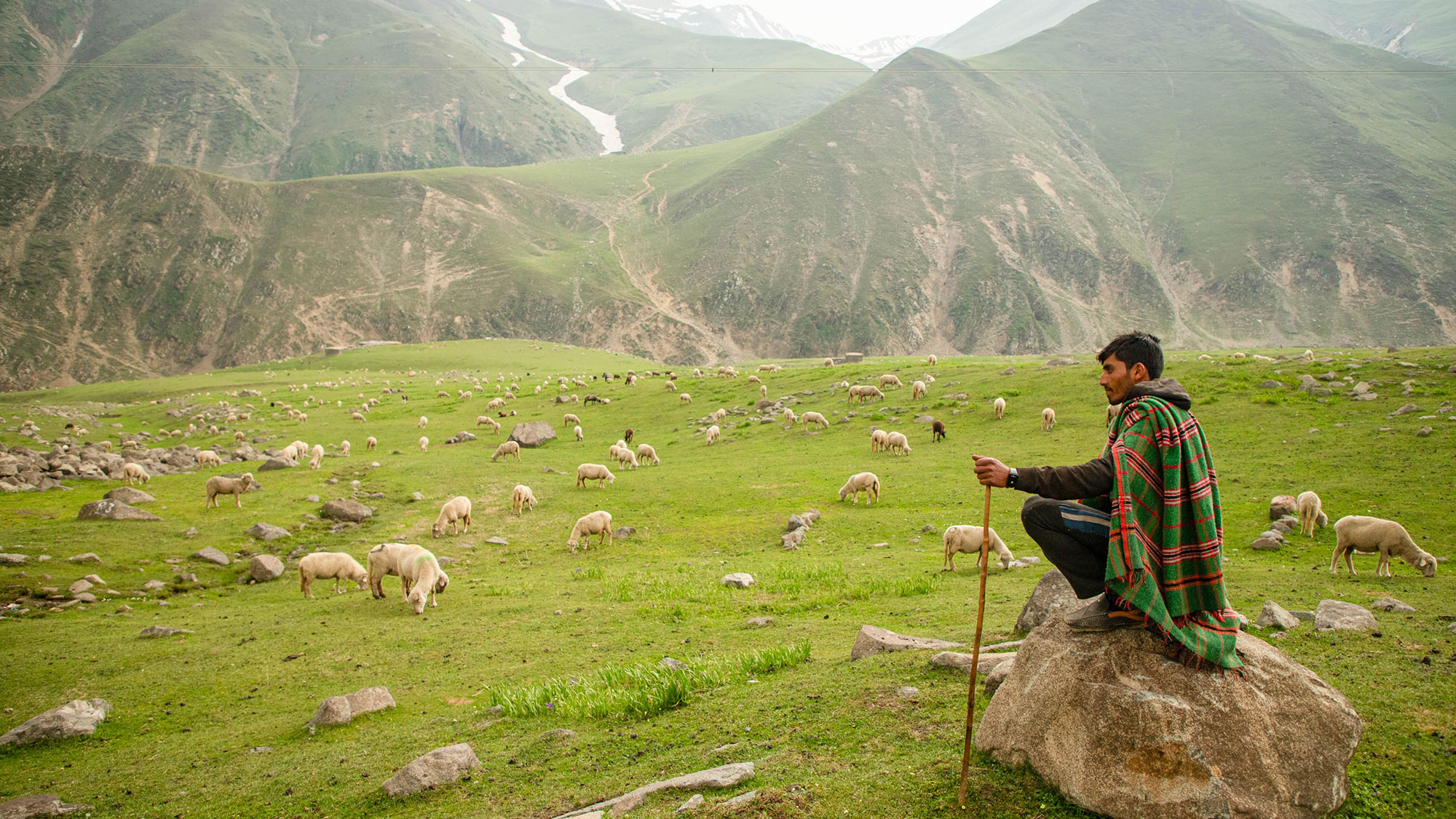
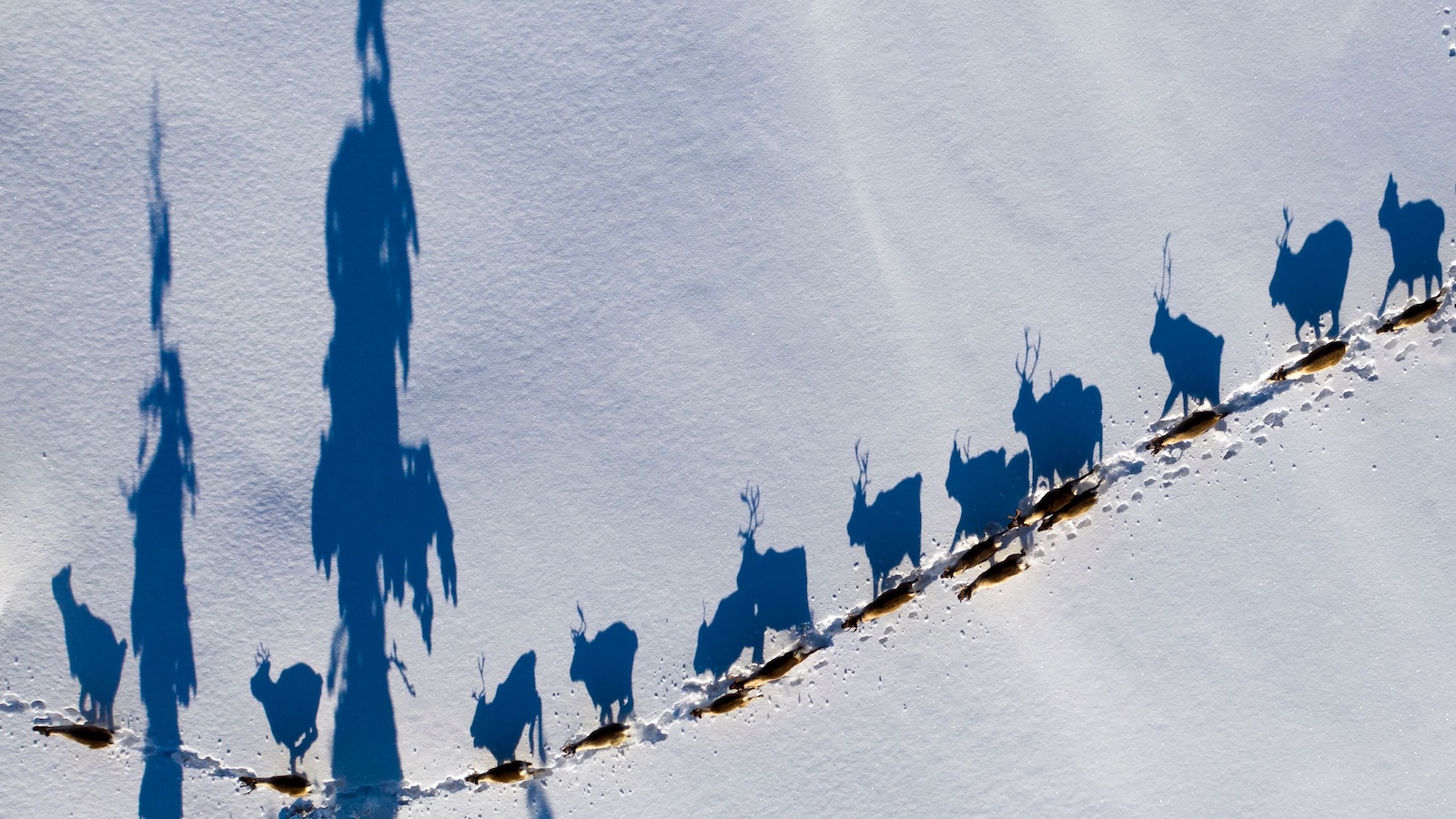
- Sámi Parliament of Finland VP Tuomas Aslak Juuso warned that the Arctic is warming four times faster than other regions, forming ice that prevents reindeer from reaching lichen and dramatically increasing starvation, which he said directly threatens Sámi culture and livelihoods.
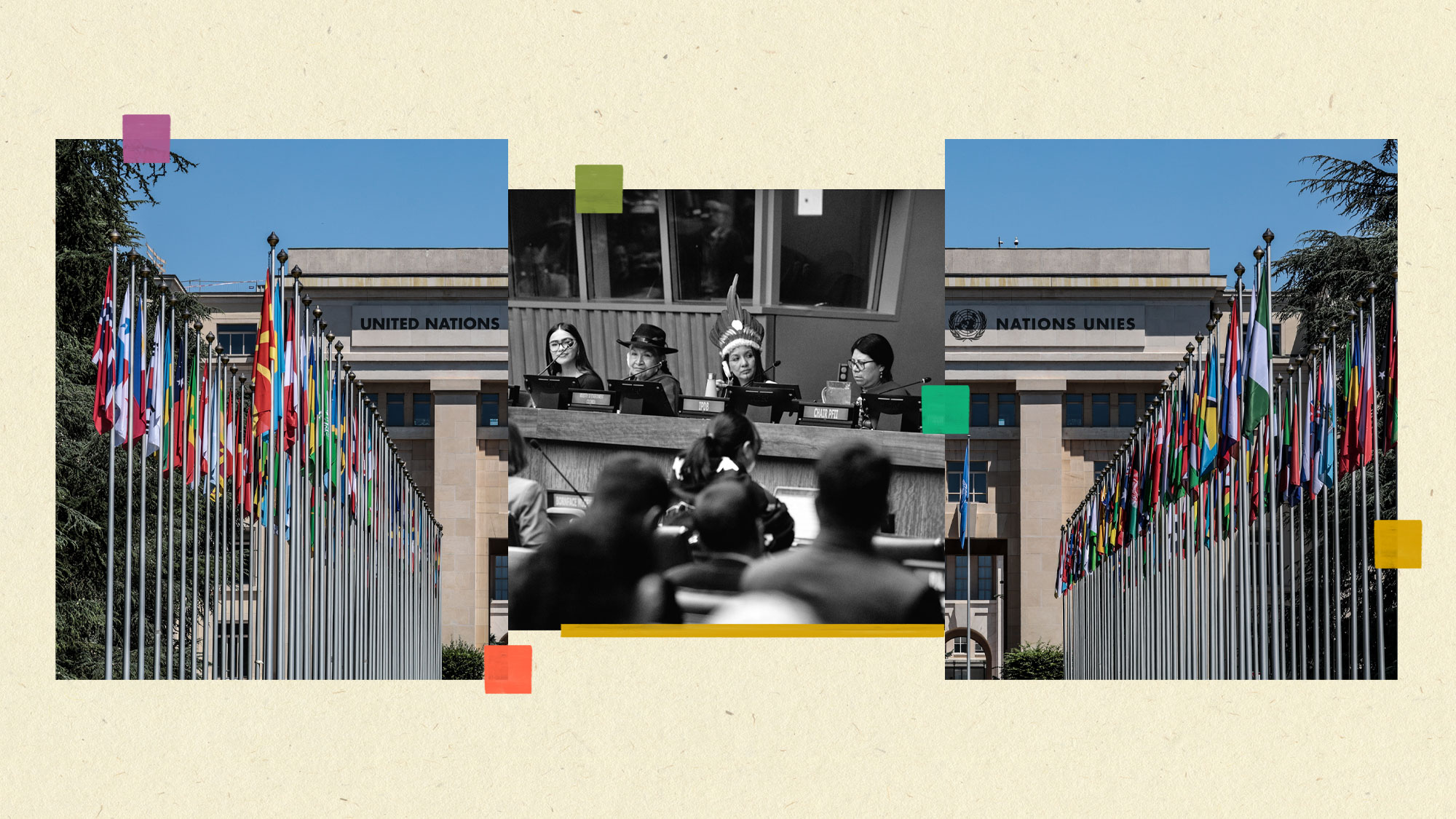
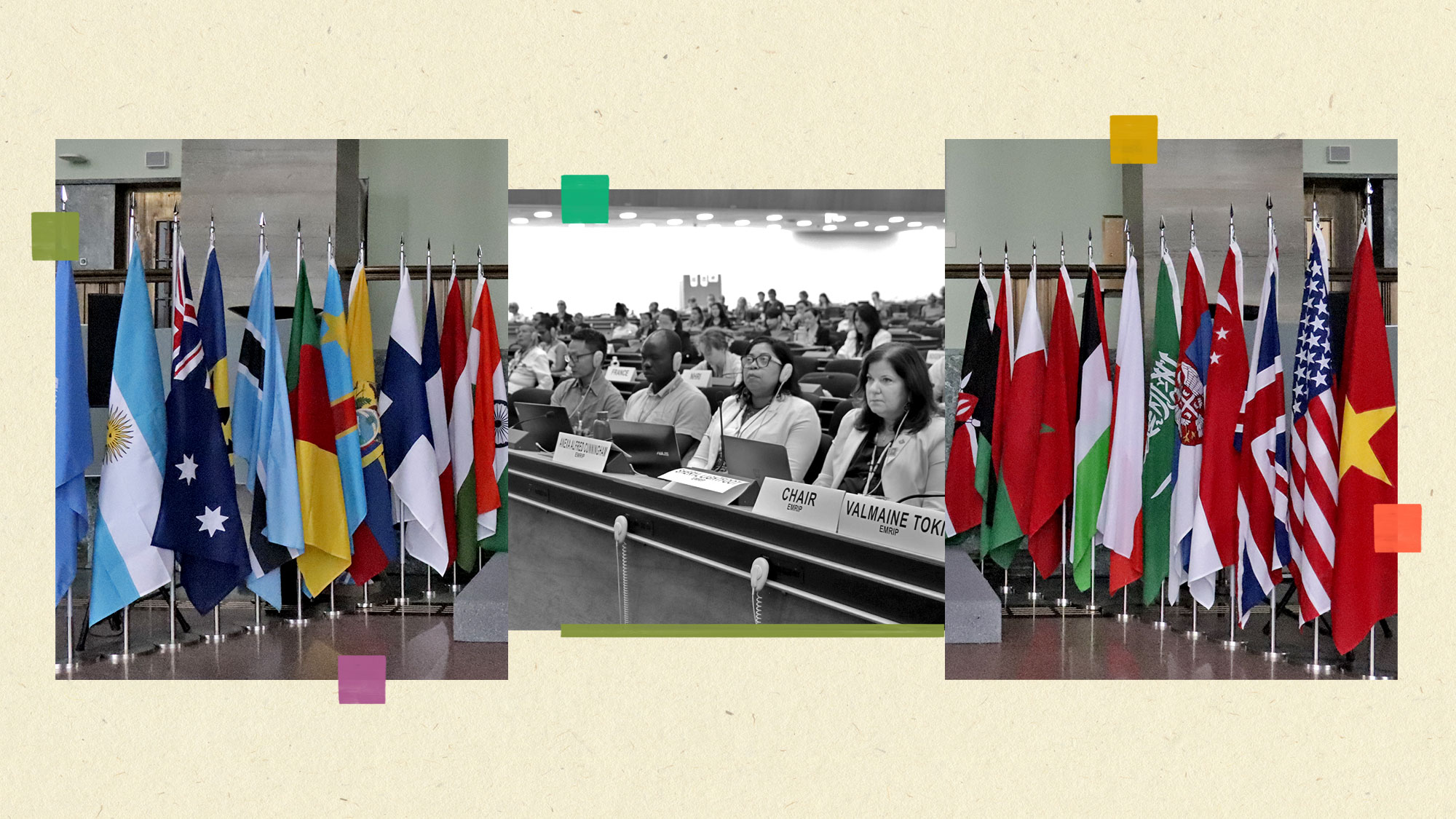
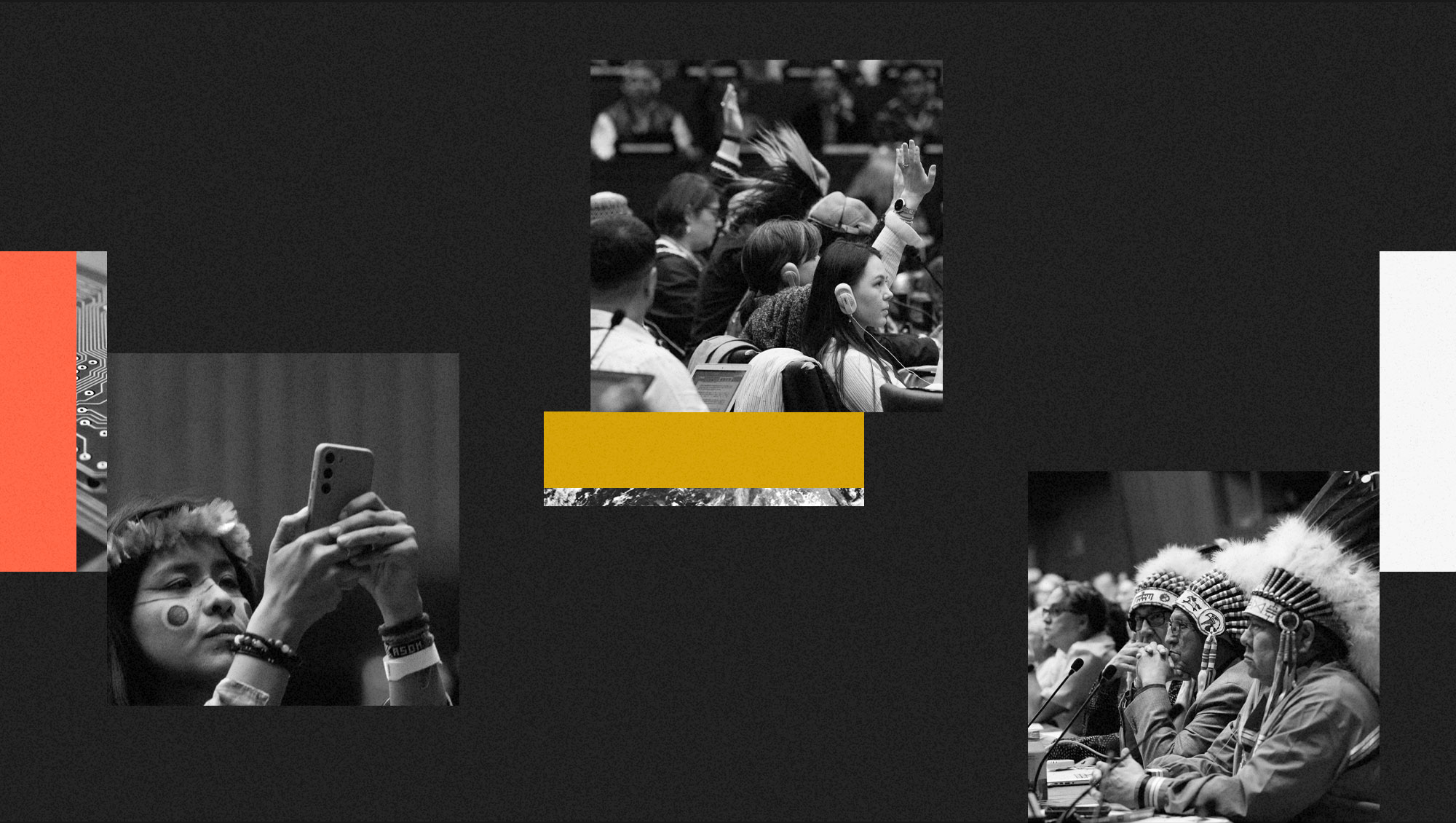
- Indigenous delegates at EMRIP in Geneva pushed for 'enhanced participation' status that would give Indigenous nations the same access and power as countries like the United States, since current UN structures force them to participate only as NGOs.
- Kym Hamilton of New Zealand's National Iwi Chairs Forum, representing 87 tribes, recommended a clear timeline for participatory status, equal-standing leadership between Indigenous and state representatives, a transparent accreditation mechanism to prevent state vetoes, and predictable funding.
- Kenneth Deer of the Mohawk Nation of Kahnawà:ke said there is "no clear path" for Indigenous representative institutions to accredit themselves at the UN, forcing improvisation in how they gain access.
- EMRIP member Sheryl Lightfoot (Anishinaabe) said states are "more resistant now than they were 10 years ago" to recognizing Indigenous peoples' existence and rights, a trend especially acute across Africa and Asia.
- The UN Voluntary Fund for Indigenous Peoples is experiencing budget shortfalls that inhibit delegate attendance, particularly from regions where governments do not recognize Indigenous peoples within their borders.
Why it matters: With the Arctic warming four times faster than other regions, Indigenous communities face direct existential threats to traditional livelihoods like Sámi reindeer herding. Their push for enhanced UN participation now demands equal standing with member states — but budget shortfalls and rising state resistance documented in Geneva make the path harder.
Ask SkimNews